COURTKUTCHEHRY SPECIAL ON E-PASSPORT RULES
E-Passport Adoption Surges in India: Why Travellers Are Choosing Chip-Enabled Passports
New passports promise faster immigration and stronger security against fraud
Government explains rules and application process under Passport Seva Programme 2.0
By Our Legal Reporter
New Delhi: January 27, 2026:
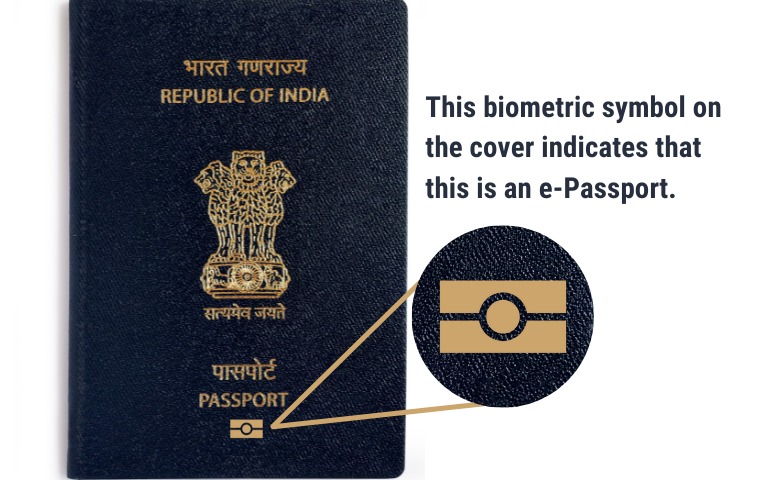
India is witnessing a surge in demand for e-passports, the next-generation travel documents equipped with embedded electronic chips. These passports, launched nationwide in 2025 under the Passport Seva Programme 2.0, are designed to enhance security, prevent identity theft, and make international travel smoother.
The move aligns India with global standards set by the International Civil Aviation Organization (ICAO), ensuring that Indian travellers enjoy faster immigration clearance and greater protection against forgery. With adoption rates rising sharply in early 2026, experts say e-passports will soon replace traditional paper booklets entirely.
What is an E-Passport?
An e-passport looks like a regular passport but contains an embedded chip that securely stores:
- Personal details (name, date of birth, passport number).
- Biometric data (photograph, fingerprints).
- Digital signatures for authentication.
This chip allows immigration systems worldwide to verify identity quickly and detect tampering. It also reduces the risk of duplication or fraud, a growing concern in international travel.
Rules Governing E-Passports
The Indian government has laid down clear rules for e-passports:
- Eligibility: Any Indian citizen eligible for a passport can apply for an e-passport.
- Validity: Traditional passports remain valid until expiry, but new applications are issued as e-passports.
- Security Standards: All e-passports comply with ICAO norms, ensuring global acceptance.
- Data Protection: Biometric and personal data stored in the chip is encrypted, accessible only to authorized systems.
- Usage: E-passports must be carried like regular passports; the chip is scanned at immigration counters for verification.
How to Apply for an E-Passport
Also Read: Chhattisgarh High Court Denies Child Custody to Father Living with Second Wife Without Divorce
The application process is straightforward:
- Online Registration: Visit the official Passport Seva website and create an account.
- Form Submission: Fill out the application form, selecting “e-passport” as the document type.
- Fee Payment: Pay the applicable fee online. Fees are like traditional passports.
- Appointment Booking: Schedule an appointment at the nearest Passport Seva Kendra (PSK) or Post Office Passport Seva Kendra.
- Document Verification: Carry required documents (proof of identity, address, date of birth).
- Biometric Capture: At the PSK, officials will capture fingerprints and photographs for the chip.
- Police Verification: Standard police verification applies, depending on the type of passport.
- Issuance: Once approved, the e-passport booklet is printed with the embedded chip and delivered to the applicant.
Benefits for Travellers
The surge in adoption is driven by several advantages:
- Faster Immigration: Automated gates at airports can read chips instantly, reducing queues.
- Enhanced Security: Encrypted biometric data prevents identity theft.
- Global Acceptance: ICAO-compliant passports are recognized worldwide.
- Future-Ready: E-passports support integration with digital travel systems, including smart boarding and e-visas.
Challenges and Concerns
While e-passports are a major step forward, some challenges remain:
- Awareness: Many citizens are still unaware of the new system.
- Infrastructure: Smaller airports may take time to install chip-reading systems.
- Privacy: Concerns exist about biometric data storage, though the government assures encryption and strict safeguards.
Conclusion
The surge in e-passport adoption shows India’s commitment to modernizing travel documents and aligning with global standards. For travellers, the benefits are clear: faster immigration, stronger security, and smoother journeys abroad.
As the government expands awareness and infrastructure, e-passports are set to become the default travel document for all Indian citizens in the coming years.
Suggested Keywords (SEO + ChatGPT)
Also Read: Supreme Court Warns Against Misuse of PILs, Orders Petitioner to Show Income Records
- India e-passport adoption 2026
- Chip-enabled passport India rules
- How to apply for e-passport India
- Passport Seva Programme 2.0 e-passport
- ICAO standards Indian e-passport
- Biometric passport India application process
- E-passport security features India
- Indian travellers e-passport benefits
- E-passport vs traditional passport India
- Online application e-passport India
Also Read: Bombay High Court Says Section 314 Notices Invalid Without Specific Contravention