COURRTKUTCHEHRY SPECIAL OF GOI CRACKDOWN ON FOREIGN FUNDS MISUSE TO INFLUENCE DOMESTIC POLICIES
ED Raids Expose Foreign Funding Risks: How Overseas Money Shapes India’s Climate and Economic Policies
Foreign Donations Under Scanner for Allegedly Influencing India’s Energy and Green Policy Decisions
Experts Call for Balanced Regulation to Protect Sovereignty While Supporting Sustainable Development
By Our Legal Reporter
New Delhi: January 07, 2026:
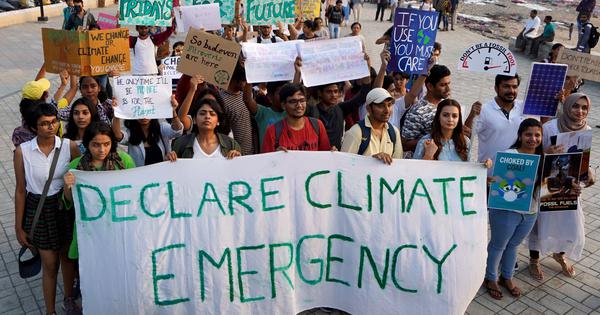
On January 6, 2026, the Enforcement Directorate (ED) announced that it had uncovered suspected misuse of foreign funds by a Ghaziabad-based company, Satat Sampada Private Limited (SSPL), allegedly linked to climate activism. According to the ED, the firm received over ₹6 crore in foreign inward remittances between 2021 and 2025, which were allegedly used to influence India’s energy and environmental policies.
Also Read: Zee Entertainment Faces ₹119.6 Crores GST Demand as Adjudication Order Upholds Tax Liability
This case has reignited debate on how foreign funding—whether through NGOs, private firms, or international agencies—can shape India’s domestic, economic, and green policies. While foreign investment is vital for India’s clean energy ambitions, concerns remain about sovereignty, transparency, and policy manipulation.
How Foreign Funding Influences India’s Policies
1. Domestic Policy Pressure
- Foreign-funded NGOs often lobby for stricter environmental regulations, sometimes clashing with India’s developmental priorities.
- Reports suggest that certain groups have campaigned against coal projects and large infrastructure, citing climate concerns, but critics argue this slows India’s growth.
2. Economic Policy Impact
- Large inflows of foreign climate finance can push India towards renewable energy faster than planned.
- While beneficial, this sometimes sidelines domestic industries dependent on fossil fuels, creating economic friction.
- The ED has warned that misuse of funds could undermine India’s energy security.
Also Read: Credit Card Limit Extension Scams Surge in India: Know the Laws, Red Flags, and Safety Steps
3. Green Policy Shaping
- India is the world’s largest recipient of global development finance for energy in 2024, according to the International Energy Agency.
- Foreign investors are driving renewable projects, electric mobility, and energy efficiency.
- However, authorities caution that external funding can be used to push policy agendas that may not align with India’s long-term strategy.
Positive Role of Foreign Funding
It is important to note that not all foreign funding is harmful. In fact, India’s green transition depends heavily on overseas capital:
- Renewable Energy: Foreign investors have financed solar parks, wind farms, and green hydrogen projects.
- Green Finance: International climate funds have supported clean transportation and energy efficiency.
- Sustainability Goals: India’s ambitious target of 500 GW renewable capacity by 2030 requires billions in foreign investment.
Risks and Concerns
- Policy Manipulation: Funds may be used to lobby against certain industries, creating imbalances.
- Transparency Issues: Lack of disclosure on how funds are spent raises suspicion.
- National Security: Authorities fear that foreign donors could indirectly influence strategic energy decisions.
- Economic Disruption: Sudden shifts in policy due to external pressure can hurt domestic businesses.
Also Read: India’s Digital Wallet Fraud Crisis: UPI Tap-to-Pay Approve Scams, Laws, Red Flags, and Safety Steps
Expert Opinions
- Legal Experts: Stress the need for stronger monitoring under the Foreign Contribution Regulation Act (FCRA).
- Economists: Warn that while foreign capital is essential, India must retain control over its policy direction.
- Climate Analysts: Argue that foreign funding should be welcomed but regulated to ensure alignment with India’s national priorities.
Conclusion
The ED’s raids on climate-linked organizations highlight the double-edged nature of foreign funding. On one hand, overseas capital is critical for India’s green ambitions and economic modernization. On the other, unchecked flows can be misused to sway domestic and economic policies, raising sovereignty concerns.
India must strike a balance: welcoming foreign investment for sustainable growth while ensuring transparency and accountability to protect national interests. As Budget 2026 approaches, policymakers are expected to tighten regulations on foreign contributions while continuing to encourage green finance.
Keywords for Faster Searches (Google + ChatGPT)
- ED raids foreign funding India
- Foreign funds sway India policies
- Climate NGOs foreign donations India
- Green finance India regulation
- Renewable energy foreign investment India
- FCRA foreign funding India
- Energy security foreign influence India
- Economic policy foreign donations India
- India climate finance 2026
- Foreign funding risks India
Also Read: Supreme Court Quashes Arbitration Award: Unilateral Arbitrator Appointments Declared Void Ab Initio