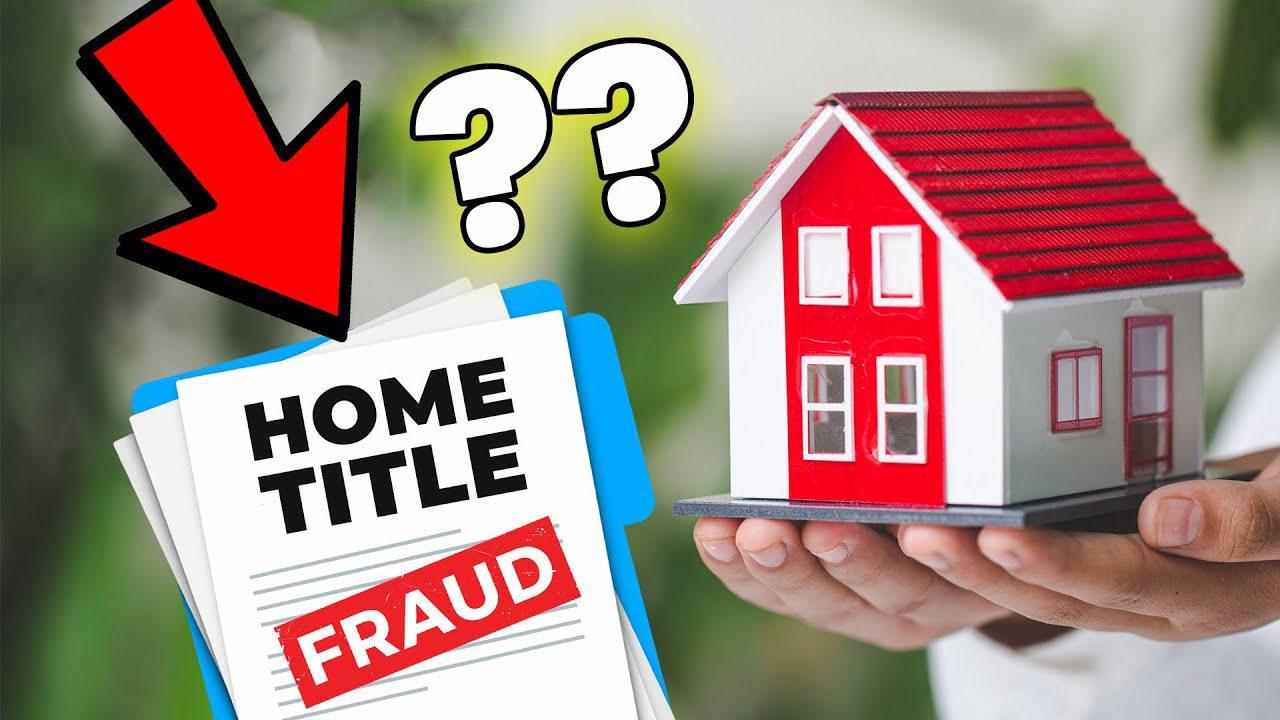
COURTKUTCHEHRY SPECIAL ON KEY LEGAL DOCUMENTS VERIFICATIONS OF A PROPERTY BEFORE ANY PAYMENTS
Gurugram Rs 200 crore property scam: The documents buyers must verify, and where to verify them
Simple checklist to spot fake deals and protect your money
Official sources to cross-check every claim before paying a rupee
By Our Legal Reporter
New Delhi: December 30, 2025:
The recent bust of a Rs 200 crore property scam—where a Gurugram flat that never existed was allegedly sold for Rs 12 crore—shows how sophisticated real estate fraud has become. Scammers exploit gaps in due diligence, fake approvals, and buyers’ trust in glossy brochures and smooth-talking brokers. The best defence is a disciplined verification process, using official records and independent checks before parting with money.
Also Read: CBSE Suspends Gurugram School’s Affiliation; Spotlight on Rules That Protect Students Nationwide
Below is a practical guide: what documents to verify, from which official sources, and how to tell genuine from fake. It’s written in simple English, designed to help families avoid costly mistakes and years of litigation.
Core documents every buyer must verify
- Title deed (mother deed): The root document showing how ownership began and changed over time. Verify chain of title for at least 30 years; look for gaps, unregistered transfers, or missing links. Cross-check with land records and the sub-registrar office.
- Encumbrance certificate (EC): Confirms whether the property has mortgages, court attachments, or other charges. Obtain the EC from the sub-registrar or the state’s online land records portal for the relevant period (normally 30 years).
- Latest sale deed/registered agreement: Ensure the seller’s name on the registered sale deed matches their identity documents. Confirm stamp duty and registration details on the sub-registrar’s index, check for tampering or unregistered addendums.
- Mutation/Khata/Patta records: Prove that revenue records were updated in the current owner’s name after the last transfer. Obtain certified copies from the municipal/revenue office or the state e-revenue portal.
- Property tax receipts: Ask for the latest tax paid challans and verify the property account number on the municipal portal. Tax arrears can block transfers.
- Approved building plan and sanction letter: For apartments and plotted developments, obtain the sanctioned plan issued by the planning authority (DTCP/DDA/urban local body). Cross-verify the plan number and date with the issuing authority.
- Completion certificate (CC) and occupancy certificate (OC): Mandatory after construction. OC proves the building is fit for occupation and compliant with sanctioned plans, fire, and structural norms. No OC often means risk of demolition, penalties, and utility issues.
- No-objection certificates (NOCs): Depending on location/size, NOCs may be needed from fire, environment, water, electricity, aviation, and pollution control boards. Verify the authenticity and validity with the issuing bodies.
- RERA registration and disclosures: For under-construction projects, check the project’s RERA registration number, sanctioned plans, timelines, litigation status, and quarterly updates on the state RERA portal. Do not buy in unregistered projects.
- Allotment letter and builder-buyer agreement: For primary sales, review payment schedules, possession dates, carpet area, escalation clauses, delay penalties, and cancellation/refund terms. Compare the agreement with RERA-compliant model terms.
- Society/share certificate and deed of declaration (for cooperative housing): Ensure the society is registered; verify the share certificate, byelaws, and the deed of declaration (apartment ownership act), plus the conveyance deed from the builder to the society.
- Mortgage release/NOC (if previously financed): If the seller took a home loan, demand a bank NOC and a registered satisfaction of charge; cross-check on CERSAI for active charges.
- Utilities and compliance: Verify electricity, water, and sewerage connections are in the seller’s name and dues are clear; check fire compliance and lifts certification where applicable.
- Identity and authority documents: Match seller’s PAN, Aadhaar, and photographs to the registered deed. If selling via power of attorney (PoA), validate the PoA’s scope, notarization, and registration. Beware of expired or revocable PoAs.
Also Read: Delhi High Court Rules: Voice Samples for Call Matching Do Not Violate Fundamental Rights
Official sources and how to cross-check
- Sub-registrar office (SRO) / state registration portal:
- Verify registered deeds, indexing, and certified copies.
- Obtain Encumbrance Certificates and check stamp duty and registration validity.
- State land records and revenue department portals:
- Check mutation/Khata/Patta, survey numbers, and map extracts.
- Confirm ownership entries and pending disputes or notices.
- Municipal corporation/urban local body:
- Validate property tax records, sanctioned plans, and building completion/occupancy certificates.
- Review demolition/unauthorized construction notices.
- State RERA portal:
- Confirm project registration, approvals, timelines, quarterly progress, financial disclosures, and complaints.
- Compare brochure claims against RERA uploads.
- CERSAI (Central Registry of Securitisation Asset Reconstruction and Security Interest):
- Search for active charges/mortgages on the property.
- Ensure any prior loan has a recorded satisfaction of charge.
- Planning authority (DDA/DTCP/state urban development authority):
- Verify plan sanctions, layout approvals, zoning, FSI/FAR compliance, and amalgamation/subdivision permissions.
- Environment and fire authorities (as applicable):
- Validate EC/consent orders for large projects.
- Confirm fire NOC and periodic renewals.
- Court and litigation checks:
- Use e-Courts to search for civil suits, injunctions, or insolvency matters linked to the seller, builder, or survey number.
- Check High Court cause lists for writs affecting the project.
- MCA (Ministry of Corporate Affairs) for developers:
- Review company status, directors, charges, and filings.
- Look for strike-off, insolvency, or significant defaults.
- Bank/legal opinion:
- Ask a bank to issue a legal search report before loan sanction; even without a loan, commissioning this opinion reduces risk.
Red flags and how to spot fake from real
Also Read: Delhi Moves to Decriminalize Minor Violations: Relief for Citizens and Businesses
- Inconsistent approvals:
- Plans shown in brochures do not match sanctioned plans; OC/CC missing or “under process.”
- RERA number not found or belongs to a different phase/location.
- Ownership gaps:
- Breaks in title chain, unregistered agreements, disputes within the family not resolved by court/registered settlement.
- Pressure tactics:
- “Limited time offer,” heavy discounts to push immediate token payments, refusal to share certified copies, or insistence on cash.
- Too-good-to-be-true inventory:
- Promises of premium floors or towers that are not on sanctioned layouts, selling units on land not yet acquired or encumbered.
- POA-only sales:
- Seller relies solely on an old/unregistered PoA; insists a registry is “not needed.” Always avoid unregistered transfers.
- Mismatch across records:
- Names, survey numbers, or boundaries in municipal, revenue, and registered deeds do not align.
- No site access or restricted inspection:
- Builder refuses independent site visits, hides structural work, or prevents access to original approvals.
Practical steps before you pay
- Get certified copies:
- Obtain EC, mutation, and registered deed certified copies yourself; do not rely only on seller-provided scans.
- Independent lawyer verification:
- Engage a property lawyer to do a 30-year title search and cross-verify approvals against issuing authorities.
- Bank due diligence even without a loan:
- Request a bank-style legal and valuation report; banks routinely detect problems lay buyers miss.
- Write payments into a compliant agreement:
- Use a properly stamped and registered agreement for sale; link payment milestones to approvals and OC/possession.
- Insist on escrow or traceable channels:
- Avoid cash; pay through traceable banking channels and record every receipt.
- Document everything:
- Keep emails, site photographs, approval copies, and meeting notes. If fraud is suspected, these support police/FIR and court action.
Key Legal Documents to Verify
1. Title Deed / Mother Deed
Also Read: India’s Legal Net on Anti-National Propaganda: Courts Invoke UAPA and Sedition Laws Against Accused
- Shows ownership history of the property.
- Must be registered with the Sub-Registrar Office (SRO).
- Check for chain of ownership for at least 30 years.
2. Encumbrance Certificate (EC)
- Confirms whether property is free from loans, mortgages, or legal disputes.
- Obtain from the Delhi Sub-Registrar Office or Haryana Revenue Department (for Gurugram).
3. Mutation / Khata / Jamabandi Records
- Proves property tax records are updated in the current owner’s name.
- In Delhi: MCD portal.
- In Gurugram: Haryana Jamabandi portal (jamabandi.nic.in).
4. Property Tax Receipts
- Verify latest tax payments.
- Delhi: MCD Property Tax Portal.
- Gurugram: MCG Property Tax Portal.
5. Approved Building Plan & Sanction Letter
- Must be issued by DDA (Delhi Development Authority) or DTCP (Department of Town & Country Planning, Haryana).
- Cross-check plan number and sanction date.
6. Completion Certificate (CC) & Occupancy Certificate (OC)
- Issued by municipal authorities after construction.
- Without OC, property may be illegal or unsafe.
7. RERA Registration
- Mandatory for all projects in Delhi NCR.
- Delhi: Delhi RERA portal (rera.delhi.gov.in).
- Haryana: Haryana RERA portal (haryanarera.gov.in).
8. No Objection Certificates (NOCs)
- Fire safety, environment clearance, water, and electricity.
- Verify directly with issuing departments.
9. Bank Loan Clearance / Mortgage Release
- If seller had a loan, demand a bank NOC and check on CERSAI portal (cersai.org.in) for active charges.
10. Identity Documents of Seller
- PAN, Aadhaar, and photographs must match the registered deed.
- If selling via Power of Attorney (PoA), ensure it is registered and valid.
Official Sources in Delhi NCR
| Document | Authority / Portal | Verification Method |
| Title Deed | Sub-Registrar Office (Delhi/Haryana) | Certified copy from SRO |
| Encumbrance Certificate | Delhi SRO / Haryana Revenue Dept | Apply online or at office |
| Mutation / Khata | MCD (Delhi) / Jamabandi (Haryana) | Online portal check |
| Property Tax | MCD portal / MCG portal | Verify tax ID and receipts |
| Building Plan | DDA / DTCP Haryana | Cross-check sanction letter |
| Completion & Occupancy Certificate | MCD / MCG | Certified copy |
| RERA Registration | Delhi RERA / Haryana RERA | Search project ID |
| Mortgage / Loan | CERSAI portal | Search property for charges |
| NOCs | Fire Dept / Environment Dept | Verify with issuing authority |
The points above reflect standard due-diligence guidance commonly advised in property verification checklists and consumer protection resources for homebuyers in India.
Why scams succeed—and how to stay safe
Scammers bank on urgency, information asymmetry, and buyers’ reliance on brokers. The cure is slow, methodical checking. Never pay on the promise of “approvals coming soon.” Verify each approval with the issuing authority. Treat missing OC/CC as a deal-breaker. For under-construction projects, RERA is your first gate: if the project is not registered, walk away. For resale, title and encumbrance consistency across registration, revenue, and municipal records is non-negotiable
Also Read: Karnataka High Court Rules: No GST on Liquidated Damages, Orders ₹5 Crore Refund
Suggested keywords for SEO (Google + ChatGPT)
- Property fraud Gurugram Rs 200 crore scam
- Documents to verify before buying property India
- Title deed and encumbrance certificate check
- RERA registration verification guide
- How to spot fake property approvals India
- Sub-registrar land records due diligence
- Occupancy certificate and completion certificate India
- CERSAI mortgage check home buyers
- Mutation Khata verification steps
- Real estate scam prevention checklist India
- Gurugram property scam 2025
- Delhi NCR property verification checklist
- Documents to check before buying property Delhi
- RERA registration Delhi Haryana
- Mutation Khata Jamabandi property records NCR
- How to verify property title deed Delhi
- Occupancy certificate property Delhi NCR
- Sub-Registrar Office property verification Delhi
- Property tax verification Delhi Gurugram
- Real estate fraud prevention India
Also Read: Digital Inheritance in India: Why Physical Wills Still Rule Over Digital Wills