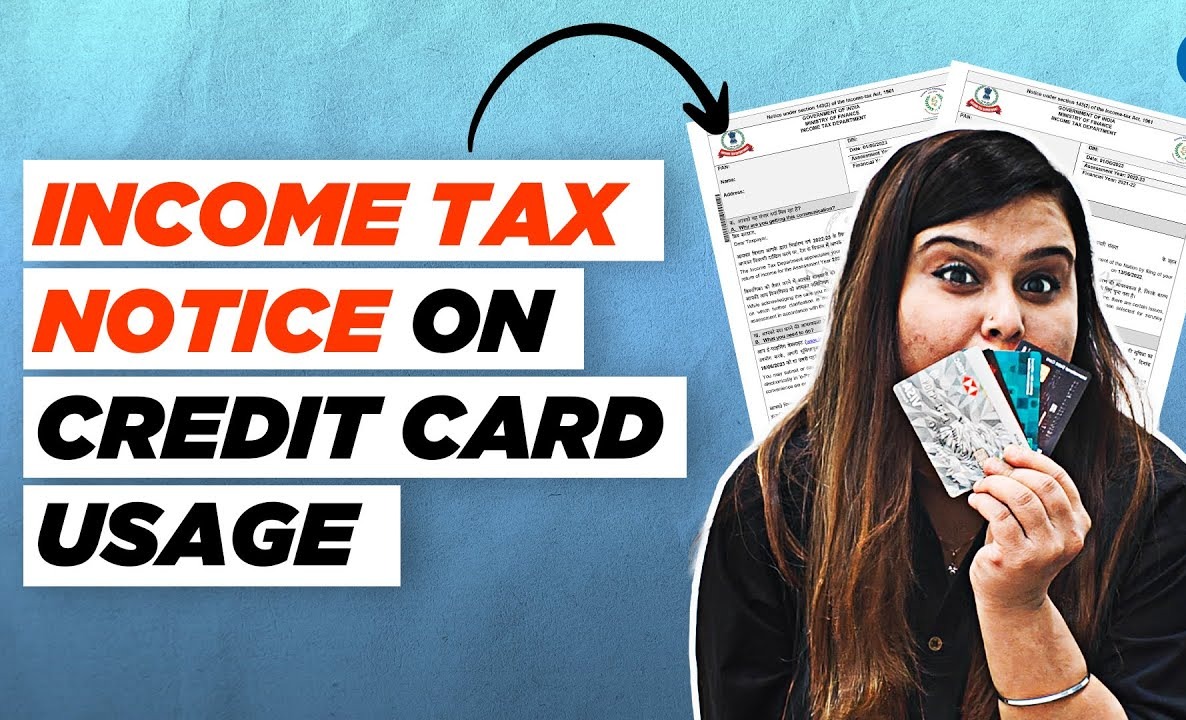
Income Tax Notices on Credit Card Spending Rise: Why Accurate Income Reporting in ITR Is More Important Than Ever
High-Value Card Transactions Trigger Red Flags for Tax Department
Experts Warn Confusion between Spending and Declared Income Can Invite Scrutiny
By Our Legal Reporter
New Delhi: December 31, 2025:
With the rapid rise in digital payments and credit card usage across India, the **Income Tax Department** has intensified scrutiny of **high-value credit card transactions**. Many taxpayers are now receiving notices asking them to explain spending that appears inconsistent with the income declared in their **Income Tax Returns (ITRs).
Also Read: Vodafone Idea’s AGR Relief: Government Freezes ₹87,695 Crore Dues, Eyes Investor Confidence
Tax experts warn that even honest taxpayers can come under the scanner if there is a **mismatch between reported income and lifestyle spending**. This has made it more important than ever to **accurately disclose all income details while filing ITR**, especially in an age where financial data is closely tracked through technology.
Why Credit Card Spending Is Under the Tax Lens
The Income Tax Department now has access to detailed financial information through banks, card issuers, and reporting systems such as **Annual Information Statement (AIS)** and **Form 26AS**. When a taxpayer’s **credit card spending crosses certain thresholds**, it is automatically flagged in the system.
High-value transactions may include:
* Large payments for luxury goods
* Expensive foreign travel bookings
* High hotel, dining, or lifestyle expenses
* Payments for jewellery, electronics, or premium services
If such spending appears **disproportionate to the income shown in the ITR**, it raises a red flag. The tax system then assumes that either income has been **under-reported** or spending has come from **unexplained sources**.
Importantly, receiving a notice does not automatically mean wrongdoing. However, it does mean the taxpayer must be ready with **proper explanations and documents**.
Also Read: Delhi High Court: Father’s Duty to Maintain Minor Children Non-Negotiable, Even If Mother Earns More
The Core Issue: Mismatch between declared Income and Lifestyle
Many taxpayers believe that since credit card spending is done using borrowed money, it does not matter for tax purposes. This assumption is incorrect.
While credit cards allow deferred payment, the **source of repayment** matters. If repayments are made from income that is **not declared**, the tax department may treat it as **unaccounted income**.
Common situations that trigger scrutiny include:
* Declaring a modest salary but spending heavily on cards
* Using multiple credit cards to spread large expenses
* Paying credit card bills through cash deposits
* Repayment from loans or gifts that are not disclosed
The tax authorities look at the **overall financial picture**, not just salary income. If spending suggests a higher earning capacity than reported, an explanation becomes necessary.
Why Accurate Income Reporting in ITR Is Crucial
Accurate income reporting is the **strongest defence** against tax notices. Filing an ITR is not just about paying tax—it is about **truthfully presenting your financial life**.
Taxpayers must ensure that all sources of income are declared, including:
* Salary and bonuses
* Freelance or professional income
* Rental income
* Interest from savings accounts and fixed deposits
* Capital gains from shares, mutual funds, or property
* Income from abroad, if applicable
Even income that is **exempt or taxed at a lower rate** should be correctly disclosed where required. Failure to do so can create inconsistencies between spending data and reported income.
An accurately filed ITR ensures that your **credit card spending appears reasonable and explainable** when matched with your income profile.
Red-Flag Transactions Taxpayers Should Be Careful About
While there is no official spending limit for credit cards under tax law, certain patterns attract attention:
Also Read: India Opens Insurance Sector to 100% FDI: New Rules Remove ‘Total Foreign Investment’ Concept
* Annual credit card spending significantly higher than declared income
* Frequent high-value transactions without a clear income source
* Luxury spending inconsistent with profession or salary bracket
* Repayment of card bills through unexplained cash deposits
* Large payments made on behalf of others without documentation
Tax experts advise maintaining **clear records** explaining such spending, especially when it is funded by:
* Loans
* Gifts from family members
* Sale of assets
* Past savings
Proper documentation helps establish that spending is **not from undisclosed income**.
How Technology Has Changed Tax Scrutiny
Earlier, only select transactions were tracked. Today, technology enables the tax department to create a **complete financial profile** of a taxpayer.
Data sources include:
* Banks and credit card companies
* Digital wallets and payment platforms
* Property registrars and stock exchanges
* International financial reporting systems
This means inconsistencies are more easily detected, and notices are often **system-generated**, not manually issued.
Also Read: Income Tax Refund Rules Explained: Interest on Delays and How to Track Your Refund
As a result, casual errors or omissions in ITR filing can lead to unnecessary follow-ups, even for compliant taxpayers.
What to Do If You Receive a Notice
If you receive an income tax notice related to credit card spending:
1. **Do not panic** – notices are common and often clarifications.
2. Review your AIS and ITR carefully
3. Identify the transaction in question
4. Prepare documents showing the source of funds
5. Respond within the deadline with clear explanations
Ignoring a notice or responding casually can escalate the issue and lead to penalties or reassessment.
Key Takeaway for Taxpayers
The growing focus on credit card spending highlights a simple truth: **your spending must make sense in relation to your declared income**.
Accurate and honest ITR filing:
* Reduces the risk of tax scrutiny
* Builds financial credibility
* Protects you from penalties and legal trouble
* Makes it easier to explain high-value transactions
As digital payments grow and financial transparency increases, taxpayers must adapt by being **more careful, more accurate, and more informed** while filing their returns.
Conclusion
Credit cards offer convenience and flexibility, but they also leave a detailed financial trail. In today’s data-driven tax system, mismatches between income and spending are easily detected.
Also Read: Delhi High Court: Government Officials’ Personal Appearance in Court Not to Be Ordered Routinely
The safest approach is simple: **declare all income correctly, maintain proper records, and file your ITR with care**. Doing so not only keeps you compliant with tax laws but also ensures peace of mind in an era of increased financial monitoring.
Keywords for Faster and Accurate Search
* Income tax notice credit card spending
* Credit card transactions income tax India
* Importance of accurate ITR filing
* Red flag credit card transactions tax
* Income mismatch tax notice said
* AIS credit card spending scrutiny
* High value transactions income tax India
* How to avoid income tax notice credit card
* filing ITR correctly to avoid tax scrutiny
Also Read: Punjab & Haryana High Court: Passport Deposit Not a Routine Bail Condition