India’s SIM Binding Rule Comes into Effect: What It Means for WhatsApp Users and Cybersecurity
DoT mandates SIM-linked authentication to curb fraud
New rule impacts multi-device logins and user privacy
By Legal Reporter
New Delhi: March 02, 2026:
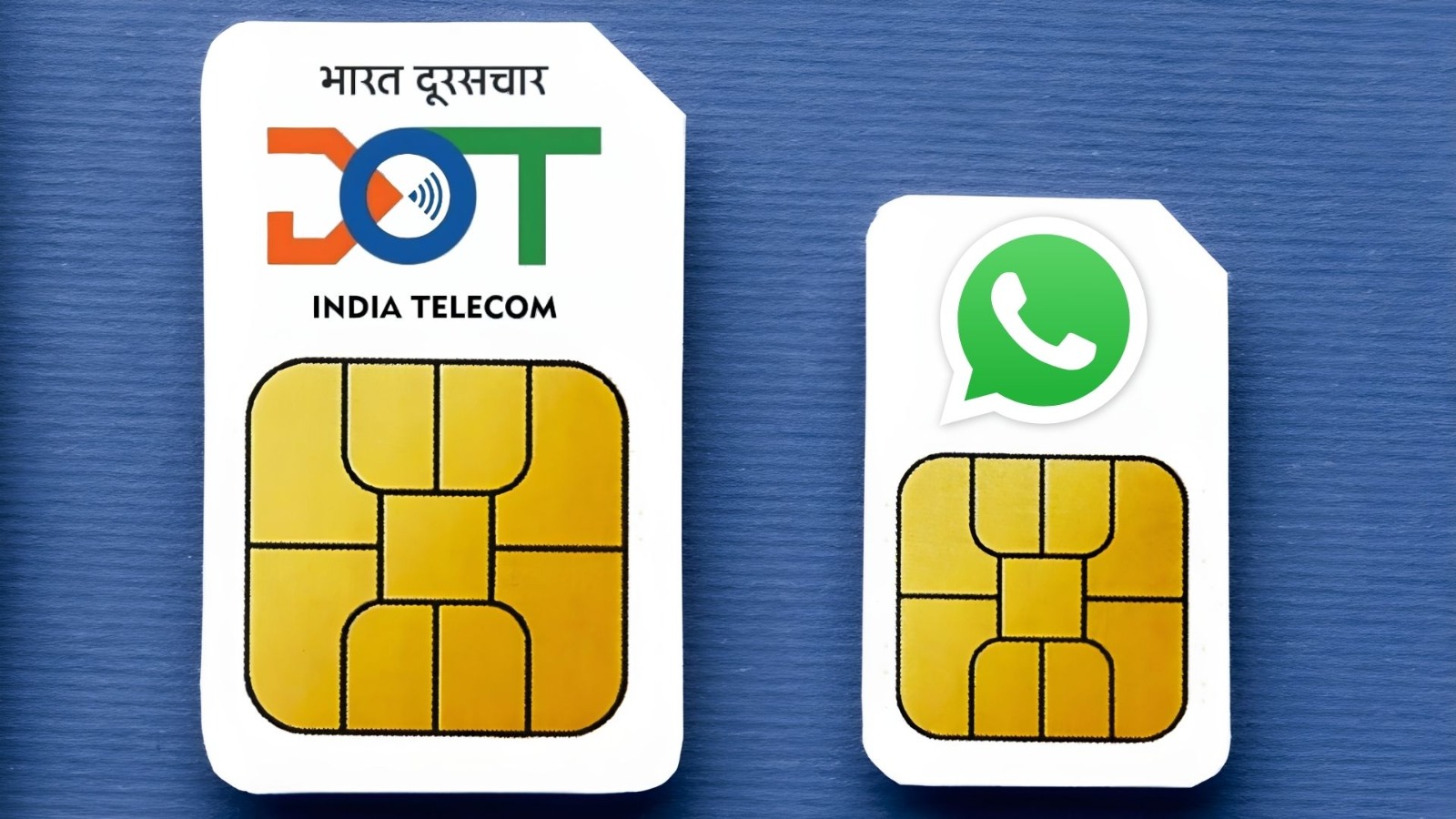
From March 1, 2026, WhatsApp users in India face a major change in how they access the messaging platform. The Department of Telecommunications (DoT) has made SIM binding mandatory under the Telecom Cyber Security (TCS) Rules, 2024. This means every WhatsApp account must remain linked to the physical SIM card inserted in the user’s primary phone. The move is aimed at curbing cyber fraud, enhancing traceability, and strengthening national security.
Also Read: Delhi High Court Reduces Withholding Tax on US Firm Cvent Inc. from 15% to 2% Under Section 197
This new rule is expected to affect millions of users, especially those who rely on multi-device logins and WhatsApp Web.
[Additional Resource]
If you want practical guidance on drafting wills, codicils, and probate procedures, Will Writing Simplified is an invaluable resource. BUY HERE: Amazon 🔹 Flipkart
What is SIM Binding?
- Definition: SIM binding ensures that a WhatsApp account is tied to the physical SIM card in a phone, rather than just a verified mobile number.
- Current System: Until now, WhatsApp operated on a “verify-once” model, where users could authenticate with an OTP and continue using the account even if the SIM was removed.
- New Rule: From March 1, 2026, accounts must always remain linked to an active SIM card. If the SIM is deactivated or removed, the WhatsApp account will stop functioning.
Why the Change?
- Cyber Fraud Prevention: Authorities cited the alarming rise in scams such as “digital arrest frauds,” investment frauds, and impersonation cases.
- National Security: SIM binding improves traceability of accounts, making it harder for criminals to use fake or cloned numbers.
- User Accountability: By linking accounts to active SIMs, regulators aim to ensure that every WhatsApp account corresponds to a verified identity.
Impact on WhatsApp Users
- Multi-Device Logins: Users may face restrictions on using WhatsApp Web or multiple devices simultaneously.
- SIM Replacement: Changing SIM cards will require re-verification of the WhatsApp account.
- Privacy Concerns: Some users worry about increased government monitoring and reduced flexibility.
- Security Benefits: The rule reduces risks of account hijacking and misuse of inactive numbers.
Legal and Regulatory Framework
- Telecom Cyber Security (TCS) Rules, 2024:
- Introduced by DoT to strengthen digital security.
- Mandates SIM binding for messaging apps like WhatsApp.
- Information Technology Act, 2000:
- Provides the legal basis for regulating digital platforms.
- Sections on identity theft and fraud apply to misuse of accounts.
- RBI and TRAI Guidelines:
- Banks and telecom operators must ensure compliance with KYC norms.
- SIM binding complements existing anti-fraud measures.
Also Read: Bombay High Court: Women in De Facto Marriages Entitled to Maintenance Under DV Act
Broader Implications
- For Consumers: Greater security but reduced convenience.
- For Businesses: Corporate users may need to adjust workflows involving WhatsApp Web.
- For Regulators: SIM binding sets a precedent for other messaging platforms.
- For Global Tech Firms: India’s move could inspire similar rules in other countries facing cyber fraud challenges.
Conclusion
The SIM binding rule marks a turning point in India’s digital security framework. While it may inconvenience some users, the government believes the benefits in terms of fraud prevention and national security outweigh the drawbacks. WhatsApp users must now adapt to a system where their accounts are inseparably tied to their SIM cards, ensuring stronger accountability in the digital space.
Keywords for Faster Searches
Also Read: ITAT Rules No Fresh Reassessment Beyond Four Years if Facts Fully Disclosed
- SIM binding rule India WhatsApp
- DoT SIM binding March 1 2026
- Telecom Cyber Security Rules 2024
- WhatsApp SIM binding impact
- SIM binding cyber fraud prevention India
- WhatsApp multi-device login restrictions
- SIM binding national security India