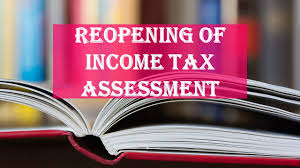
ITAT Rules No Fresh Reassessment Beyond Four Years if Facts Fully Disclosed
Audit objections alone cannot justify reopening assessments
Tribunal stresses on taxpayer protection under Section 147 of Income Tax Act
By Legal Reporter
New Delhi: March 02, 2026:
The Income Tax Appellate Tribunal (ITAT) has delivered a landmark ruling that strengthens taxpayer rights against arbitrary reassessment. The tribunal held that no fresh reassessment can be initiated after four years if the assessee has fully disclosed all material facts during the original assessment.
This ruling, arising from cases such as Agni Steels Pvt. Ltd. vs. DCIT and ACIT vs. Chinraj Shanthi, clarifies that mere audit objections or suspicion cannot be treated as “tangible material” to reopen assessments under Section 147 of the Income Tax Act, 1961.
[Additional Legal Resource]
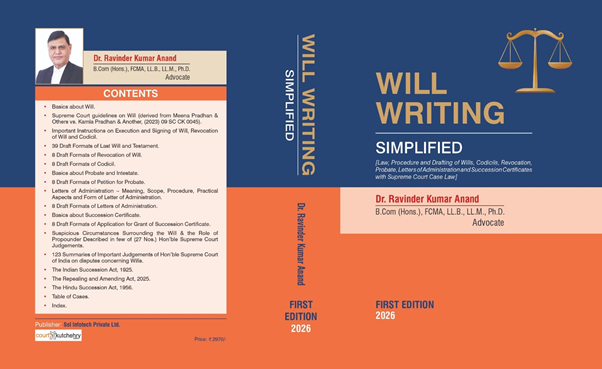
If you want practical guidance on drafting wills, codicils, and probate procedures, Will Writing Simplified is an invaluable resource. BUY TODAY: Amazon 🔹 Flipkart
Case Background
- In several recent cases, the Revenue attempted to reopen assessments beyond the statutory four-year limit.
- The justification was based on audit objections or alleged errors in earlier scrutiny assessments.
- Taxpayers challenged these notices, arguing that all facts had been disclosed during the original proceedings.
- The ITAT agreed, ruling that reopening assessments without fresh evidence amounts to a review in disguise, which is not permitted under law.
Court’s Observations
Also Read: India’s SIM Binding Rule Comes into Effect: What It Means for WhatsApp Users and Cybersecurity
- Full Disclosure: If the assessee has disclosed all material facts, reassessment beyond four years is invalid.
- Audit Objections Not Evidence: Revenue audit reports cannot be treated as fresh tangible material.
- Reason to Believe: The Assessing Officer must have independent, credible reasons to believe income has escaped assessment. Mere suspicion is insufficient.
- Judicial Consistency: The ruling aligns with earlier Supreme Court and High Court judgments that protect taxpayers from arbitrary reassessment.
Relevant Laws and Rules
1. Income Tax Act, 1961 – Section 147
- Allows reopening of assessments if income has escaped assessment.
- Requires “reason to believe” based on tangible material.
2. Section 148
- Governs issuance of reassessment notices.
- Notices beyond four years require proof of failure to disclose material facts.
3. Judicial Precedents
- Supreme Court in Kelvinator of India Ltd. held that reassessment cannot be based on mere change of opinion.
- ITAT rulings reaffirm this principle, ensuring consistency in tax jurisprudence.
Broader Implications
Also Read: Allahabad High Court: Magistrate’s Judicial Orders Supreme Over DM, SP, and Political Heads
- For Taxpayers: Provides protection against harassment through repeated reassessment notices.
- For Revenue Authorities: Reinforces the need for credible evidence before reopening cases.
- For Judiciary: Strengthens judicial oversight of tax administration.
- For Policy Makers: Highlights importance of balancing revenue collection with taxpayer rights.
Conclusion
The ITAT’s ruling is a major relief for taxpayers, ensuring that once facts are fully disclosed, they cannot be subjected to endless reassessment beyond four years. By rejecting audit objections as sufficient grounds, the tribunal has reinforced the principle that tax certainty is essential for business confidence and fairness.
This judgment is expected to reduce litigation, improve trust in the tax system, and align India’s tax administration with global standards of transparency and accountability.
Also Read: Tax Certainty and Benefits in GIFT City: Why Global Investors Are Turning to India’s IFSC Hub
Keywords for Faster Searches
- ITAT reassessment ruling India
- Section 147 Income Tax Act reassessment
- No reassessment after 4 years ITAT
- Audit objections reassessment invalid India
- ITAT Agni Steels Pvt Ltd case
- ITAT Chinraj Shanthi reassessment ruling
- Kelvinator of India reassessment precedent
Also Read: Insurance Mis selling in India: Study Finds 63% Customers Distrust Agents, IRDAI Tightens Rules