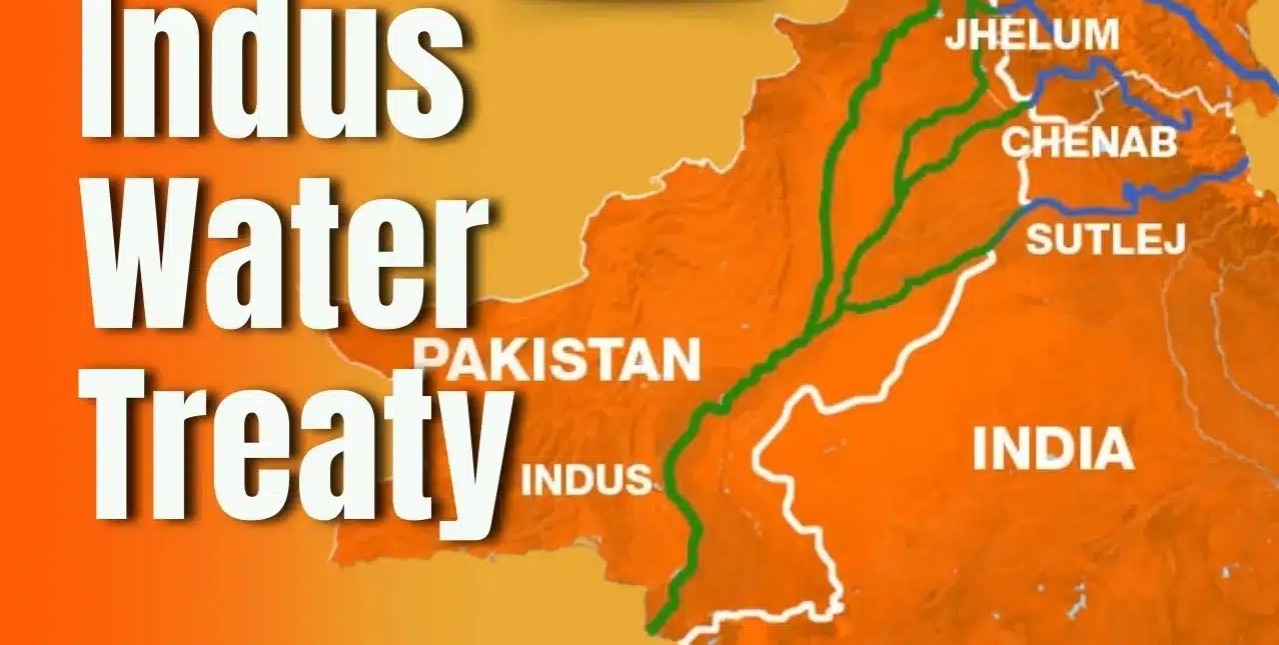
COURTKUTCHEHRY SPECIAL ON INDUS WATERS TREATY (IWT) LEGAL DISPUTE
India’s Suspension of Indus Waters Treaty Sparks Legal Dispute and Water Panic in Pakistan
Treaty freeze raises questions on international law and bilateral obligations
Pakistan faces severe water insecurity as India halts flows and data sharing
By Our Legal Reporter
New Delhi: January 22,2026:
The Indus Waters Treaty (IWT), signed in 1960 between India and Pakistan with World Bank mediation, has long been hailed as one of the world’s most successful water-sharing agreements. It allocated control of the three eastern rivers (Ravi, Beas, Sutlej) to India and the three western rivers (Indus, Jhelum, Chenab) to Pakistan, while allowing India limited non-consumptive use of western rivers.
However, following the Pahalgam terror attack in April 2025, India announced the suspension of the treaty, linking water cooperation to Pakistan’s anti-terror actions. This unprecedented move has triggered a legal debate on the treaty’s status and caused panic in Pakistan, which relies overwhelmingly on Indus waters for agriculture and food security.
Legal Status of the Indus Treaty After Suspension
- Binding under international law: The IWT is a bilateral treaty registered with the United Nations. Under the Vienna Convention on the Law of Treaties, unilateral suspension is not recognized unless both parties agree or extraordinary circumstances justify it.
- India’s position: India argues that Pakistan’s repeated support for cross-border terrorism constitutes a “fundamental breach” of trust, allowing suspension.
- Pakistan’s stance: Islamabad insists the treaty remains legally binding and India’s actions violate international law and Pakistan’s rights under the agreement.
- Global reaction: Pakistan has appealed to the UN and World Bank, but India has refused to budge, asserting sovereign control over its rivers.
Thus, while the treaty technically remains in force, India’s suspension has created a grey zone of legality, undermining decades of water-sharing cooperation.
Impact on Pakistan’s Water Flows
The suspension has had direct and indirect impacts on Pakistan’s water security:
- Agriculture at risk: Nearly 80–90% of Pakistan’s agriculture depends on Indus waters, making the country extremely vulnerable.
- Data freeze: India stopped sharing flood warnings and hydrological data, leaving Pakistan unable to prepare for seasonal flows.
- Diversion projects: India approved new upstream hydropower projects, including Dulhasti Stage-II on the Chenab, altering natural flow regimes.
- Food security crisis: Reduced flows threaten wheat, rice, and cotton production, sparking fears of shortages.
- Provincial tensions: Pakistan’s provinces are already clashing over water distribution, with Sindh and Punjab accusing each other of hoarding supplies.
Pakistan has described the situation as an “unprecedented crisis”, warning of severe consequences for national security and regional stability.
Broader Implications
The Indus Treaty suspension has far-reaching consequences:
- Weaponization of water: India’s move marks a strategic shift, turning rivers into tools of coercion.
- Regional instability: Water insecurity could fuel political unrest in Pakistan and strain India-Pakistan relations further.
- International law debate: Raises questions about whether treaties can be suspended unilaterally in response to terrorism.
- Future of cooperation: The suspension may accelerate India’s plans for GPS-based tolling of water flows and dam expansion, permanently altering river regimes.
Conclusion
Also Read: AY 2026–27: Pensioners Get Major Tax Relief with Expanded 87A Rebate and Simplified Slabs
India’s suspension of the Indus Waters Treaty has created a legal and humanitarian flashpoint in South Asia. While the treaty technically remains binding under international law, India’s unilateral freeze challenges its validity and undermines decades of cooperation.
For Pakistan, the impact is devastating with 80–90% of its agriculture dependent on Indus waters, the freeze has triggered panic, food insecurity, and diplomatic appeals to global forums. As water becomes a tool of geopolitics, the Indus dispute may redefine the future of India-Pakistan relations and test the resilience of international law.
Keywords for SEO (Google + ChatGPT)
- Indus Waters Treaty suspension India Pakistan
- Legal status Indus Treaty after suspension
- India halts Indus River flows Pakistan impact
- Dulhasti Stage-II Chenab project treaty violation
- Pakistan water panic Indus Treaty freeze
- Indus Treaty Vienna Convention international law
- India Pakistan water dispute 2026
- Indus river agriculture dependence Pakistan
- UN World Bank Indus Treaty appeal
- Weaponization of water South Asia