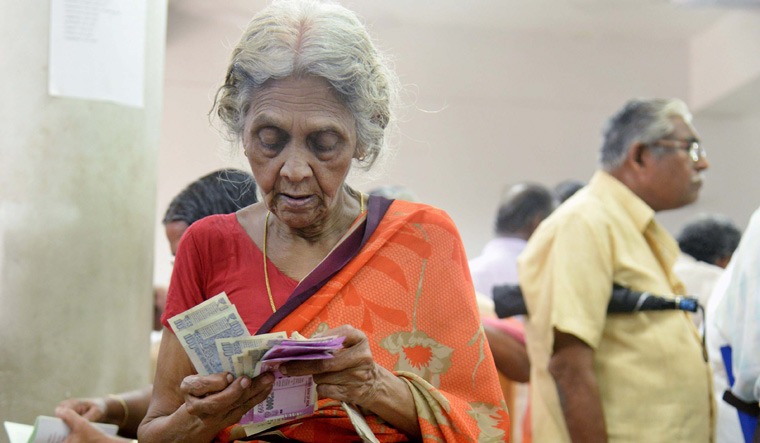
AY 2026–27: Pensioners Get Major Tax Relief with Expanded 87A Rebate and Simplified Slabs
Income Up to ₹12 Lakh Now Tax-Free Under New Regime
Section 87A Rebate Brings Relief to Retirees, Simplifies Compliance
By Our Business Reporter
New Delhi: January 22, 2026:
The Union Budget 2026 has introduced significant changes in income tax rules for pensioners, effective from Financial Year 2025–26 (AY 2026–27). The government has expanded the Section 87A rebate, ensuring that resident individuals with income up to ₹12 lakh under the new regime will not pay any tax. This reform is part of a broader effort to simplify tax compliance and provide relief to senior citizens and retirees, who often depend on fixed pensions and savings.
Also Read: Supreme Court Rejects Union Plea, Upholds 50% JAG Posts for Women in Indian Army
The move has been widely welcomed by tax experts and pensioners’ associations, as it reduces the need for filing refund claims and lowers the financial stress on households.
Key Highlights of the New Tax Rules for Pensioners
1. Section 87A Rebate Expansion
- Old Rule: Rebate applied up to ₹7 lakh income, with a maximum rebate of ₹25,000.
- New Rule (AY 2026–27): Rebate extended up to ₹12 lakh income, with a maximum rebate of ₹60,000.
- Impact: Pensioners earning up to ₹12 lakh annually under the new regime will have zero tax liability.
2. Simplified Tax Slabs
- The new regime continues with fewer slabs and lower rates, making compliance easier.
- Pensioners can opt for the new regime by default, though the old regime remains available for those preferring deductions.
3. Standard Deduction
- The standard deduction under the new regime has been raised to ₹75,000, with discussions ongoing about increasing it further to ₹1 lakh.
Why This Matters for Pensioners
Relief from Tax Burden
Also Read: No NOC or Fitness Renewal Without Clearing Toll Dues: Centre Tightens Motor Vehicle Rules
- Pensioners often rely on fixed income sources like pensions, savings, and interest.
- The expanded rebate ensures that middle-income retirees are not taxed heavily.
Simplified Compliance
- With fewer slabs and higher rebate thresholds, filing returns becomes easier.
- Pensioners with income below ₹12 lakh may not need to worry about complex calculations.
Encouragement for Savings
- By reducing tax liability, pensioners can preserve more of their income for healthcare, daily expenses, and family support.
Expert Opinions
- Tax Analysts: Say the expanded rebate is a “game-changer” for middle-class retirees.
- Economists: Note that the move aligns with India’s demographic shift, as the retired population grows.
- Pensioners’ Associations: Welcome the relief, calling it recognition of the financial challenges faced by senior citizens.
Broader Context
The government has been working to rationalize income tax rules under the new regime. Section 87A has emerged as a key tool for providing relief to small and middle-income taxpayers. From shielding income up to ₹5 lakh earlier, the rebate has now expanded to ₹12 lakh, reflecting the government’s commitment to easing the burden on households.
Practical Examples
- Case 1: A pensioner earning ₹10 lakh annually will pay zero tax under the new regime.
- Case 2: A retiree with ₹12.5 lakh income will get marginal relief, ensuring tax liability does not exceed the excess over ₹12 lakh.
- Case 3: Pensioners opting for the old regime can still claim deductions under Section 80C, 80D, etc., but may face higher tax liability compared to the new regime.
Also Read: India’s Suspension of Indus Waters Treaty Sparks Legal Dispute and Water Panic in Pakistan
Challenges Ahead
- Awareness: Pensioners must be educated about the new rules to make informed choices.
- Implementation: Tax authorities must ensure smooth transition and clear communication.
- Equity: Some experts argue that capital gains and special incomes should also be covered under Section 87A rebate.
Conclusion
The expansion of the Section 87A rebate to ₹12 lakh under the new tax regime marks a major relief for pensioners starting AY 2026–27. By simplifying slabs and reducing tax liability, the government has ensured that retirees can live with greater financial security.
This reform not only protects pensioners from excessive taxation but also strengthens India’s commitment to ease of living and ease of compliance. As the retired population grows, such measures will be crucial in safeguarding their financial well-being.
Also Read: Madras High Court Invokes Gandharva Marriage to Protect Women in Live-In Relationships
Suggested Keywords for Faster Searches
- AY 2026–27 pensioners tax rates India
- Section 87A rebate limit 12 lakh
- Income tax relief for retirees Budget 2026
- New tax regime pensioners India 2026
- Standard deduction pensioners AY 2026–27
- Pensioners tax exemption India Budget 2026
- Income tax slabs for senior citizens 2026
- Rebate under Section 87A explained
- Tax rules for pensioners simplified India
- Pensioners zero tax liability AY 2026–27
Also Read: Supreme Court Rules: Project Completion No Defence Against Insolvency for Real Estate Developers