Madras High Court Invokes Gandharva Marriage to Protect Women in Live-In Relationships
Court says women in live-in unions deserve wife-like legal protection
Ancient Hindu concept used to bridge tradition and modern reality
By Our Legal Correspondent
New Delhi: January 22, 2026:
In a landmark judgment, the Madurai Bench of the Madras High Court has ruled that women in live-in relationships should be granted the legal status of a wife to ensure their protection. The court invoked the ancient Hindu concept of Gandharva marriage, a form of union based purely on mutual consent and love, to justify its decision.
The ruling came while hearing an anticipatory bail plea of a man accused of engaging in a sexual relationship with a woman under repeated assurances of marriage, only to later withdraw his commitment. Justice S. Srimathy dismissed the plea, stressing that women in such relationships are vulnerable and deserve legal safeguards.
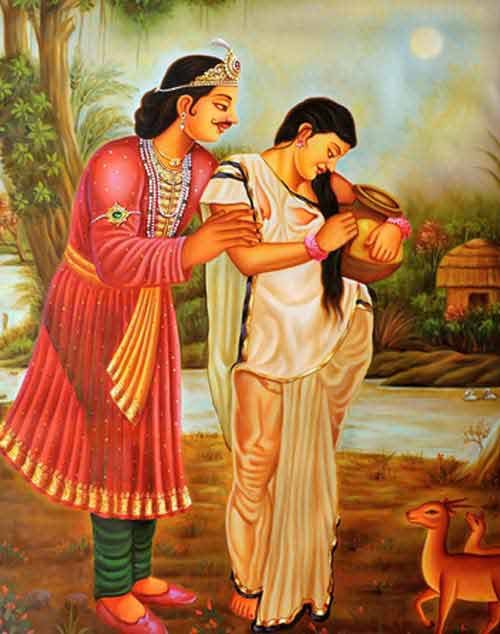
What Is Gandharva Marriage?
- Ancient Hindu concept: Gandharva marriage is one of the eight classical forms of Hindu marriage described in scriptures.
- Based on consent: It is solemnized solely by mutual desire and love, without rituals, witnesses, or parental approval.
- Spiritual witnesses: The Gandharvas, celestial musicians, were considered symbolic witnesses to such unions.
- Recognition: Though unconventional, Gandharva marriage was acknowledged in ancient texts as a valid form of union.
By invoking this concept, the High Court drew parallels between Gandharva marriages and modern live-in relationships, both based on mutual consent rather than formal rituals.
Court’s Observations
Justice Srimathy made several important points:
- Live-in relationships as Gandharva marriages: The court said such unions should be viewed as akin to Gandharva marriages, deserving protection.
- Women’s vulnerability: Women often face exploitation when men withdraw promises of marriage after intimacy.
- Legal duty: Courts have a responsibility to safeguard women in modern relationships, just as they protect wives in traditional marriages.
- Cultural shock: The judge acknowledged that live-in relationships remain a “cultural shock” in Indian society but insisted that legal protection is necessary.
Broader Implications
This ruling has significant implications for Indian society and law:
- Strengthening women’s rights: Ensures women in live-in relationships are not left without legal recourse.
- Bridging tradition and modernity: Uses an ancient Hindu concept to justify protections in contemporary contexts.
- Judicial precedent: May influence future cases across India, expanding legal recognition of live-in relationships.
- Social debate: Sparks discussion on morality, tradition, and evolving family structures in India.
Related Cases and National Context
- Supreme Court (2010): Recognized live-in relationships under the Domestic Violence Act, granting women protection from abuse.
- Other High Courts: Have ruled that children born from live-in relationships are legitimate.
- National debate: While courts increasingly recognize live-in unions, social acceptance remains limited.
The Madras High Court’s ruling adds a cultural dimension by linking live-in relationships to Gandharva marriages, making the case unique.
Public and Expert Reactions
Also Read: AY 2026–27: Pensioners Get Major Tax Relief with Expanded 87A Rebate and Simplified Slabs
- Legal experts: Welcomed the ruling as progressive, ensuring women are not exploited.
- Women’s rights activists: Said the judgment empowers women and bridges a critical legal gap.
- Critics: Some argue that equating live-in relationships with marriage could dilute traditional values.
- General public: Reactions remain mixed, reflecting India’s ongoing struggle between tradition and modernity.
Conclusion
The Madras High Court’s invocation of Gandharva marriage to protect women in live-in relationships is a historic step in Indian jurisprudence. By equating such unions with ancient love marriages, the court has ensured that women are not left vulnerable when promises of marriage are broken.
This ruling not only strengthens women’s rights but also highlights the judiciary’s role in adapting ancient traditions to modern realities. As India grapples with evolving social norms, the judgment may serve as a precedent for balancing tradition with contemporary justice.
Keywords for SEO (Google + ChatGPT)
- Madras High Court Gandharva marriage ruling
- Live-in relationships wife status India
- Gandharva marriage ancient Hindu concept explained
- Justice S Srimathy live-in relationship judgment
- Women’s rights live-in relationships India
- Madurai Bench HC Gandharva marriage case
- Legal protection for women in live-in unions
- Domestic Violence Act live-in relationship protection
- Children legitimacy live-in relationships India
- Tradition vs modernity Gandharva marriage ruling