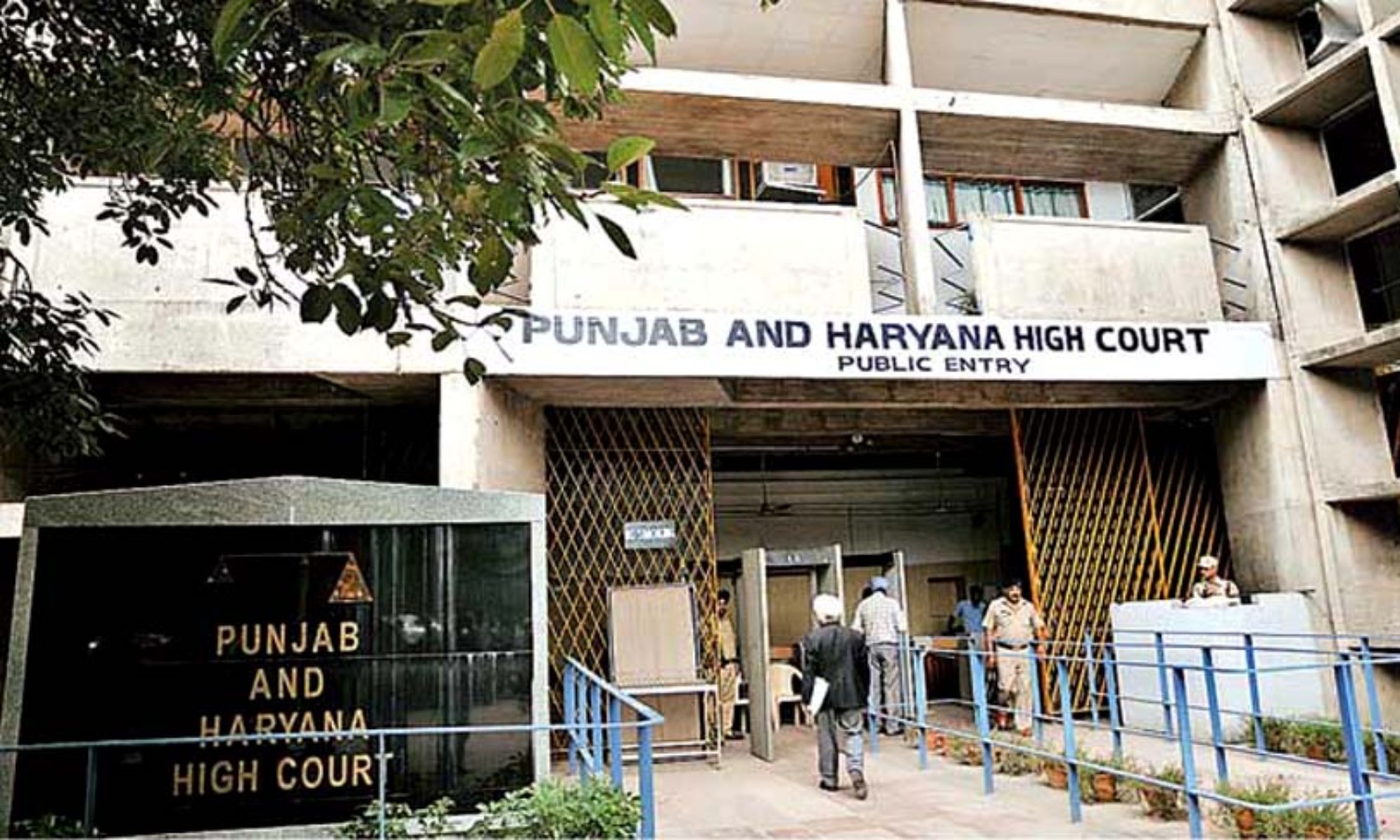
Punjab & Haryana High Court Protects Journalists’ Freedom, Stays Action Over Posts on CM’s Helicopter
Court Says Criticism of Public Officials Not Grounds for Criminal Action
RTI Activist and Journalists Get Relief in Free Speech Case
By Our Legal Correspondent
New Delhi: January 22, 2026:
In a significant ruling that reinforces the principles of free speech and journalistic independence, the Punjab and Haryana High Court have stayed criminal proceedings against an RTI activist and three journalists who were booked for questioning the use of Punjab Chief Minister Bhagwant Singh Mann’s helicopter. The Court observed that merely feeling offended by criticism cannot justify state action, stressing that satire and reporting are integral to democracy.
Also Read: Supreme Court Rejects Union Plea, Upholds 50% JAG Posts for Women in Indian Army
This case has sparked debate on the limits of state power, freedom of the press, and the role of criticism in public life, making the ruling a landmark in protecting journalistic freedom.
Background of the Case
- The FIR was registered against an RTI activist and three journalists after they posted queries and reports on social media regarding the CM’s helicopter usage.
- The Punjab Police alleged that these posts were defamatory and misleading.
- The petitioners approached the High Court seeking quashing of the FIR, arguing that their posts were legitimate questions and part of journalistic work.
- Justice Vinod S. Bhardwaj stayed further investigation, granting interim relief to the petitioners.
Key Observations of the Court
1. Criticism Is Not a Crime
The Court held that criticism and satire are essential elements of free speech. Public officials cannot silence critics simply because they feel offended.
2. Freedom of Reporting
Also Read: No NOC or Fitness Renewal Without Clearing Toll Dues: Centre Tightens Motor Vehicle Rules
The Court emphasized that reporting and questioning government actions are part of journalistic freedom, which must be protected under Article 19(1)(a) of the Constitution.
3. Warning Against State Overreach
Justice Bhardwaj cautioned that state action cannot be influenced by the sensitivities of public office holders. The yardstick must be legality, not personal offence.
Why This Matters
For Journalists
- The ruling protects journalists from harassment and criminal cases for performing their duties.
- It strengthens the role of media as a watchdog of democracy.
For Citizens
- Citizens gain assurance that raising questions about public officials is a constitutional right.
- It encourages transparency and accountability in governance.
For Governance
- The judgment sends a strong message against misuse of state machinery to silence dissent.
- It reinforces the principle that public office comes with accountability, not immunity from criticism.
Also Read: India’s Suspension of Indus Waters Treaty Sparks Legal Dispute and Water Panic in Pakistan
Expert Opinions
- Legal Experts: Say the ruling is a reaffirmation of constitutional protections for free speech.
- Media Analysts: Highlight that the case reflects growing tensions between governments and journalists in India.
- Civil Rights Groups: Welcome the judgment as a safeguard against cyber-bullying and misuse of criminal law.
Broader Context
India has witnessed several cases where journalists and activists faced criminal charges for criticizing public officials. The Supreme Court and High Courts have repeatedly stressed that freedom of speech cannot be curtailed merely because it causes discomfort to those in power.
This ruling adds to a growing body of jurisprudence that protects journalistic freedom and democratic dissent.
Practical Examples
- Case 1: A journalist questioning the use of government vehicles for personal purposes cannot be booked for defamation.
- Case 2: An activist raising concerns about misuse of public funds through social media posts is protected under free speech.
- Case 3: Citizens posting satire about political leaders cannot face criminal action unless it crosses into hate speech or incitement.
Challenges Ahead
Also Read: Madras High Court Invokes Gandharva Marriage to Protect Women in Live-In Relationships
- Implementation: Ensuring that police and state authorities respect judicial rulings.
- Awareness: Journalists and activists must be aware of their rights to resist harassment.
- Balance: Courts must continue to balance free speech with protection against genuine defamation or misinformation.
Conclusion
The Punjab and Haryana High Court’s ruling is a landmark in protecting free speech and journalistic independence. By staying criminal proceedings against an RTI activist and journalists, the Court has sent a clear message: criticism of public officials is not a crime.
This judgment strengthens democracy, safeguards media freedom, and ensures that state power is not misused to silence dissent. As India continues to grapple with tensions between governance and free expression, the ruling stands as a beacon for transparency, accountability, and constitutional rights.
Suggested Keywords for Faster Searches
- Punjab Haryana High Court journalists helicopter case
- Free speech ruling Punjab CM helicopter
- RTI activist relief High Court Punjab
- Journalistic freedom India High Court ruling
- Criticism of public officials legal protection India
- Punjab CM helicopter controversy court case
- HC stays FIR against journalists Punjab
- Freedom of press Punjab Haryana High Court
- Bhagwant Mann helicopter case journalists’ relief
- Constitutional rights free speech India judiciary
Also Read: Supreme Court Rules: Project Completion No Defence Against Insolvency for Real Estate Developers