
ITAT Ahmedabad Rules: No Deemed Rent for Vacant Flats if Genuine Efforts Made
Landmark ruling protects landlords from unfair tax additions
Tribunal stresses fairness in property taxation
By Our Legal Reporter
New Delhi: January 30, 2026:
In a landmark judgment, the Income Tax Appellate Tribunal (ITAT), Ahmedabad Bench, struck down a tax addition of Rs 7 lakh imposed on a landlord for five vacant apartments in Mumbai. The tax department had treated the flats as generating “deemed rent,” even though they were vacant during the financial year. The tribunal clarified that when a property owner makes genuine attempts to rent out flats but fails due to market conditions, the law does not permit artificial income to be added.
Also Read: Madhya Pradesh High Court: Cheque Marked ‘Not Negotiable’ Still Punishable Under Section 138 NI Act
This case has wide implications for landlords, real estate investors, and tax professionals, as it sets a precedent against arbitrary taxation on vacant properties.
(Recommended Legal Resource for Writing Will)
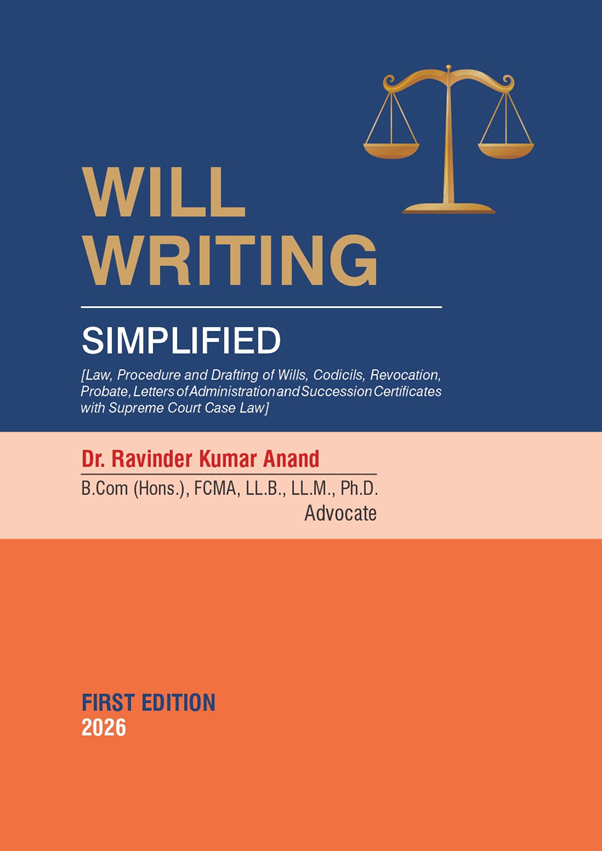
For readers interested in understanding property law, taxation, and succession matters, the book Will Writing Simplified [Law, Procedure and Drafting of Wills, Codicils, Revocation, Probate, Letters of Administration and Succession Certificates with Supreme Court Case Law] is an excellent resource. It provides practical guidance on drafting and legal procedures.
Also Read: Orissa High Court: NBW Cannot Be Issued Before Scheduled Appearance, Calls It Affront to Liberty
Background of the Case
- The landlord, Mohit Vijaykumar Gupta, owned five residential flats in Mumbai.
- The tax department added Rs 7 lakh to his income, treating it as “deemed rent” under the Income Tax Act.
- Gupta challenged the addition, arguing that the flats were vacant despite genuine efforts to rent them out.
- The ITAT Ahmedabad accepted his plea, ruling that vacancy allowance under Section 23(1)(c) of the Income Tax Act protects owners in such cases.
Court’s Observations
- The tribunal emphasized that intention to rent out is key. If properties remain vacant despite genuine efforts, deemed rent cannot be imposed.
- The ITAT noted that the tax department failed to prove that the landlord deliberately kept the flats vacant.
- The ruling also clarified that notional income cannot be forced when market realities prevent rentals.
Legal Significance
This ruling is significant because:
- It protects landlords from unfair taxation on vacant properties.
- It clarifies the scope of Section 23(1)(c), which allows vacancy relief.
- It sets a precedent for similar disputes across India, especially in cities like Mumbai, Delhi, and Bengaluru where rental markets fluctuate.
Legal experts believe this judgment will encourage landlords to challenge arbitrary tax notices and strengthen the principle of fairness in taxation.
Broader Implications
Also Read: Delhi High Court: Marriage Registration Not a Bar to Mutual Divorce Before One Year
- For Landlords: Relief from deemed rent taxation when flats remain vacant despite genuine efforts.
- For Real Estate Market: Encourages transparency and reduces fear of punitive taxation.
- For Tax Authorities: A reminder to apply laws fairly and avoid arbitrary income additions.
Conclusion
The ITAT Ahmedabad’s ruling in favour of the landlord marks a turning point in property taxation. By striking down the Rs 7 lakh deemed rent addition, the tribunal reinforced the principle that taxation must reflect reality, not assumptions. This judgment will likely influence future cases and provide relief to countless property owners facing similar disputes.
Suggested Keywords for Faster Searches
- ITAT Ahmedabad deemed rent case
- Landlord wins tax case vacant flats
- Section 23(1)(c) vacancy allowance India
- Income tax on vacant property India
- Deemed rent taxation ruling
- Property tax relief ITAT Ahmedabad
- Mumbai vacant flats tax dispute
- Fairness in property taxation India
- Mohit Vijaykumar Gupta ITAT case
- Will Writing Simplified legal resource