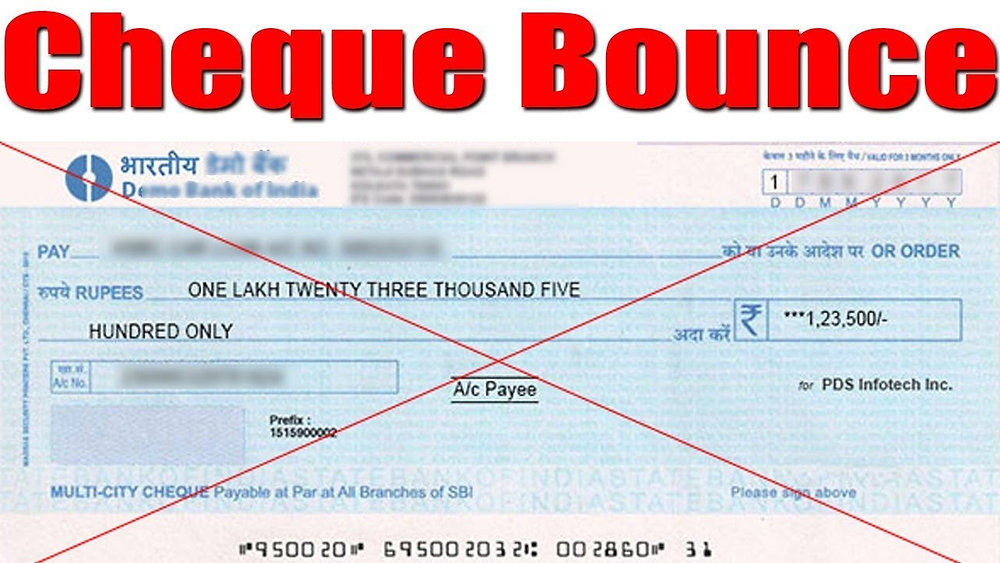
Karnataka High Court: Director Not Liable for Cheques Issued During Tenure Gap Under NI Act
Court Quashes Criminal Proceedings Against Former Director
Judgment Clarifies Scope of Vicarious Liability in Cheque Bounce Cases
By Our Legal Correspondent
New Delhi: January 23, 2026:
In a landmark judgment, the Karnataka High Court has ruled that a director of a company cannot be held liable for dishonoured cheques issued during a period when he was not associated with the company. The Court clarified that Section 138 of the Negotiable Instruments Act, 1881, which deals with cheque bounce offences, requires proof of active involvement in company affairs at the time of issuance.
Also Read: HG Infra Engineering Stock Crashes After CBI, ACB Raids Over Corruption Allegations
The ruling came in the case of Mr. Sujith Sudhakaran v. Mr. Lalu Jacob Mammen, where the petitioner challenged criminal proceedings initiated against him despite having resigned from the company before the cheques were issued. Justice M. Nagaprasanna quashed the proceedings, terming them an abuse of process of law .
Background of the Case
- The complaint was filed against M/s Dreamz Infra India Pvt. Ltd., alleging dishonour of cheques issued to the respondent.
- The petitioner, a former director, was named in the case despite having resigned before the cheques were issued.
- Official records confirmed that the petitioner was not associated with the company during the relevant period.
- The High Court held that continuing proceedings against him would be unjust and contrary to the principles of vicarious liability.
Key Observations of the Karnataka High Court
1. No Vicarious Liability Without Active Involvement
The Court emphasized that directors cannot be held liable under Section 138 NI Act unless there is proof of active involvement in company affairs at the time of cheque issuance.
2. Abuse of Process of Law
Proceedings against a person who had resigned before the issuance of cheques amount to abuse of judicial process.
Also Read: Supreme Court Rules NCLT Cannot Decide Trademark Ownership During Insolvency
3. Importance of Official Records
The Court relied on official filings with the Registrar of Companies to establish that the petitioner was not a director during the relevant period.
Why This Matters
For Corporate Directors
- Provides clarity on liability under Section 138 NI Act.
- Ensures that directors are not unfairly prosecuted for actions taken after their resignation.
For Companies
- Reinforces the need for accurate record-keeping with the Registrar of Companies.
- Protects corporate governance by limiting liability to those actively involved.
For Legal System
- Prevents misuse of cheque bounce provisions against individuals not responsible for company affairs.
- Strengthens judicial safeguards against frivolous litigation.
Expert Opinions
- Legal Analysts: Say the ruling aligns with Supreme Court precedents that vicarious liability must be strictly construed.
- Corporate Lawyers: Highlight that the judgment will reduce harassment of former directors in cheque bounce cases.
- Business Associations: Welcome the clarity, noting that it will improve confidence in corporate governance.
Also Read: Karnataka High Court Lifts Ban on Bike Taxis, Orders State to Issue Permits
Broader Context
Section 138 of the NI Act has been one of the most litigated provisions in India, with thousands of cheque bounce cases pending across courts. The law imposes criminal liability on companies and their officers for dishonoured cheques, but courts have repeatedly stressed that liability must be limited to those in charge at the time of issuance.
The Karnataka High Court’s ruling adds to this jurisprudence, reinforcing that resigned directors cannot be dragged into litigation without proof of involvement.
Practical Examples
- Case 1: A director resigns in January, but cheques issued in March bounce. He cannot be held liable.
- Case 2: A current director actively involved in company affairs during cheque issuance remains liable under Section 138.
- Case 3: A director who signs cheques before resignation can still be held accountable.
Challenges Ahead
- Implementation: Ensuring that trial courts apply this principle consistently.
- Awareness: Companies and directors must understand the scope of liability under NI Act.
- Litigation Delays: Despite clarity, cheque bounce cases continue to clog courts, requiring systemic reforms.
Conclusion
The Karnataka High Court’s ruling that a director cannot be held liable for cheques issued during a vacuum in tenure is a landmark judgment in corporate and criminal law. By quashing proceedings against a former director, the Court has reinforced the principle that vicarious liability under Section 138 NI Act requires proof of active involvement.
Also Read: Delhi High Court Slams Newslaundry Journalist for Indecent Language Against TV Today Content
This decision not only protects individuals from unjust prosecution but also strengthens corporate governance and judicial integrity. It is expected to serve as a guiding precedent for similar cases across India.
Suggested Keywords for Faster Searches
- Karnataka High Court Section 138 NI Act ruling
- Director liability cheque bounce case India
- Cheques issued after resignation director liability
- Vicarious liability NI Act Karnataka HC judgment
- Dreamz Infra cheque bounce case Karnataka HC
- Corporate governance cheque bounce law India
- Section 138 NI Act director resignation ruling
- Karnataka HC ruling cheque bounce director liability
- Landmark judgment NI Act director liability India
- Cheque bounce corporate law Karnataka High Court
Also Read: Delhi High Court: Hypertension Cannot Be Dismissed as Lifestyle Disorder to Deny Disability Pension