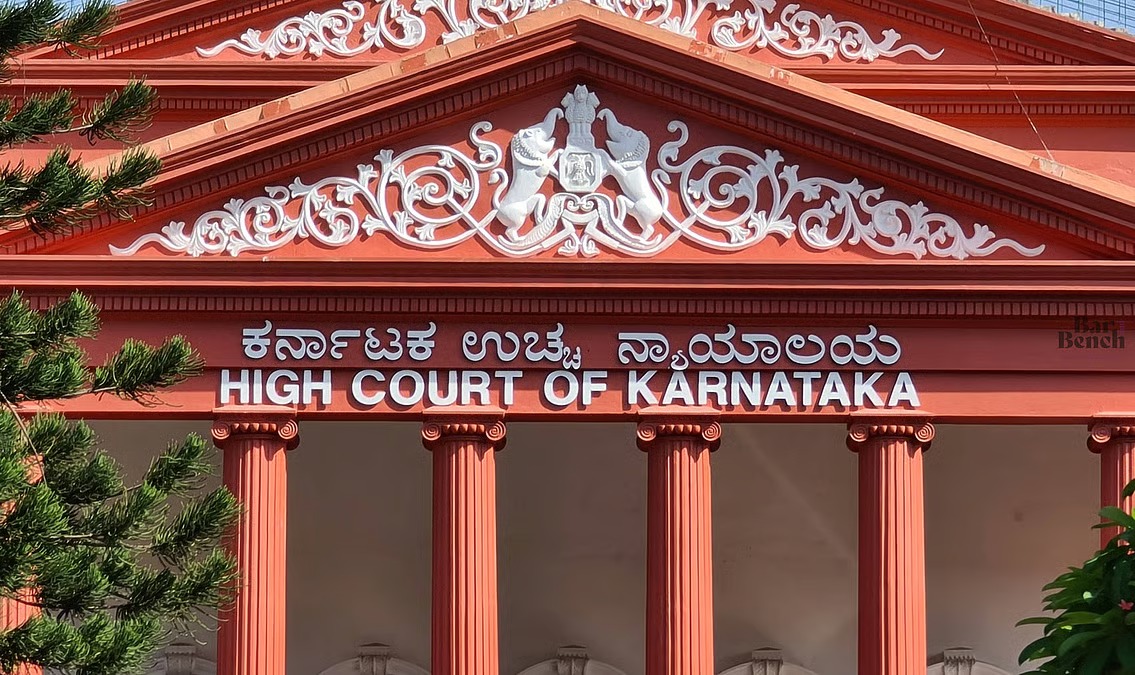
Karnataka High Court: Plaintiffs Must Be Allowed to Amend Pleadings Before Dismissal Under Section 34 of Specific Relief Act
Court stresses substantive rights cannot be defeated by technicalities
Opportunity to amend plaint ensures fairness in property disputes
By Our Legal Correspondent
New Delhi: March 02, 2026:
The Karnataka High Court has delivered an important ruling in the case of Taj Parveen v. Ezazulla Shariff (RSA No. 1657 of 2013), clarifying the scope of Section 34 of the Specific Relief Act, 1963. The court held that before dismissing a suit for declaration under the proviso to Section 34, the plaintiff must be given an opportunity to amend the plaint to include appropriate consequential relief, such as possession or injunction.
Justice Anant Ramanath Hegde emphasized that procedural law should not defeat substantive property rights, and courts must adopt a liberal approach to avoid multiplicity of litigation.
Case Background
- The dispute involved property rights where the plaintiff sought a declaration of ownership but did not include consequential relief for possession.
- The trial court dismissed the suit citing the proviso to Section 34 of the Specific Relief Act.
- On appeal, the Karnataka High Court ruled that such dismissal without giving the plaintiff a chance to amend the plaint was improper.
- The court highlighted that the proviso was intended to prevent multiple suits, not to deny substantive justice.
[Additional Resource]
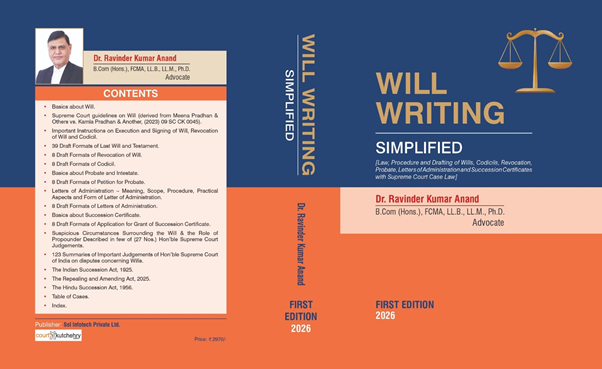
If you want practical guidance on drafting wills, codicils, and probate procedures, Will Writing Simplified is an invaluable resource. BUY TODAY: Amazon 🔹 Flipkart
Also Read: India’s SIM Binding Rule Comes into Effect: What It Means for WhatsApp Users and Cybersecurity
Court’s Observations
- Opportunity to Amend: Plaintiffs must be allowed to amend pleadings to include consequential relief before dismissal.
- Substantive Rights: Technical lapses should not allow trespassers or defendants to unjustly retain possession.
- Judicial Duty: Courts must mould relief in deserving cases to ensure justice.
- Law Commission Recommendation: The court suggested Parliament revisit earlier recommendations to amend Section 34 to resolve interpretational controversies.
Relevant Laws and Rules
1. Specific Relief Act, 1963 – Section 34
- Allows a person entitled to legal character or property rights to seek a declaration.
- Proviso: Courts should not grant declaration alone if consequential relief is necessary but not sought.
2. Civil Procedure Code (CPC), 1908
- Provides mechanisms for amendment of pleadings under Order VI Rule 17.
- Courts have discretion to permit amendments to avoid injustice.
3. Judicial Precedents
- Supreme Court and High Courts have consistently held that procedural rules must serve justice, not defeat it.
Also Read: Allahabad High Court: Magistrate’s Judicial Orders Supreme Over DM, SP, and Political Heads
Broader Implications
- For Plaintiffs: Encourages careful drafting of suits but provides safeguard against dismissal on technical grounds.
- For Defendants: Ensures fair trial without undue advantage from procedural lapses.
- For Judiciary: Reinforces duty to balance procedural law with substantive justice.
- For Policy Makers: Highlights need to amend Section 34 to remove ambiguity and reduce litigation.
Conclusion
The Karnataka High Court’s ruling in Taj Parveen v. Ezazulla Shariff strengthens the principle that justice must prevail over technicalities. By directing that plaintiffs be given an opportunity to amend their plaints before dismissal under Section 34, the court has ensured that property disputes are resolved fairly and comprehensively.
Also Read: Tax Certainty and Benefits in GIFT City: Why Global Investors Are Turning to India’s IFSC Hub
This judgment is a reminder that procedural law is a tool to achieve justice, not a barrier to it.
Keywords for Faster Searches
- Karnataka High Court Section 34 ruling
- Taj Parveen v Ezazulla Shariff case
- Specific Relief Act declaration suits
- Consequential relief amendment plaint
- Section 34 proviso property disputes India
- Procedural law vs substantive rights India
- Karnataka HC property declaration judgment
Also Read: Insurance Mis selling in India: Study Finds 63% Customers Distrust Agents, IRDAI Tightens Rules