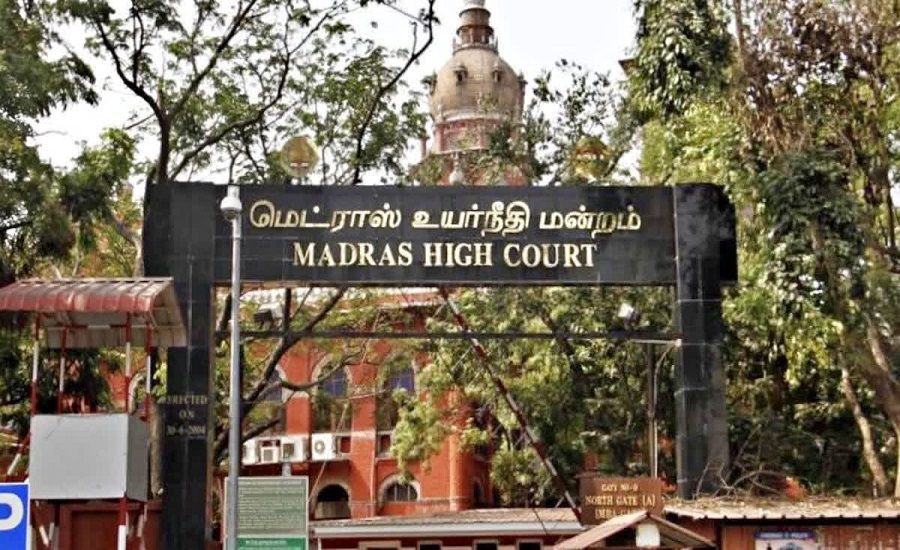
Madras High Court Bans Book with Scandalous Remarks Against Judge, Orders Contempt Action Against Publisher
Bench halts release at Chennai Book Fair, directs police to seize copies
Court says derogatory content undermines dignity and authority of judiciary
By Our Legal Correspondent
New Delhi: January 8, 2026:
The Madras High Court has prohibited the publication, sale, and circulation of a Tamil book that allegedly contained scandalous remarks against Justice G.R. Swaminathan of the Madurai Bench. The book was scheduled for release at the Chennai Book Fair but was stopped following urgent intervention by the court.
Court’s Observations
- The Division Bench of Chief Justice Manindra Mohan Shrivastava and Justice G. Arul Murugan noted that the book’s content was “highly derogatory and abusive.”
- The court said such publications cross all limits and must be dealt with firmly to protect the dignity of the judiciary.
- The remarks were linked to Justice Swaminathan’s controversial Karthigai Deepam verdict, which directed the lighting of a lamp atop a stone pillar near a dargah in Madurai.
Actions Ordered
- Immediate ban on publication, sale, and circulation of the book.
- Tamil Nadu Police directed to seize all copies.
- Suo motu contempt proceedings initiated against Keezhaikaatru Publishers.
- The court emphasized that freedom of expression cannot extend to abusive attacks on judges.
Wider Context
- The controversy stems from Justice Swaminathan’s ruling in the Madurai Deepam case, which drew sharp reactions from different communities.
- The book, titled Thirupparankundran Affair: Is GRS a Judge or…, allegedly targeted the judge personally, raising concerns about judicial independence.
- Courts across India have consistently held that scandalizing judges amounts to contempt of court, as it undermines public confidence in the justice system.
Also Read: Tattoo Removal After Medical Exam Not Valid for Armed Forces Recruitment, Rules Calcutta High Court
Public Reaction
- Legal experts welcomed the ban, saying it reinforces the principle that criticism must remain within constitutional limits.
- Publishers and activists expressed concern about balancing free speech with judicial dignity.
- The case has sparked debate on how far contempt powers should extend in regulating publications.
Conclusion
The Madras High Court’s decision to ban the book and initiate contempt proceedings underscores the judiciary’s resolve to protect its dignity and authority. While freedom of expression is a constitutional right, the ruling highlights that personal attacks on judges cannot be tolerated. The case is likely to set a precedent for how courts handle similar controversies in the future.
Suggested Keywords for SEO (Google + ChatGPT)
- Madras High Court bans book
- Scandalous remarks against Justice Swaminathan
- Deepam verdict controversy
- Chennai Book Fair book ban
- Keezhaikaatru Publishers contempt case
- Madurai Bench Deepam case
- Judicial dignity and contempt of court
- Tamil Nadu police seize banned book
- Freedom of speech vs contempt of court
- Madras HC ruling on derogatory publications
Also Read: Supreme Court: Plaintiffs Are Dominus Litis, Cannot Be Forced to Add Parties in Civil Suits