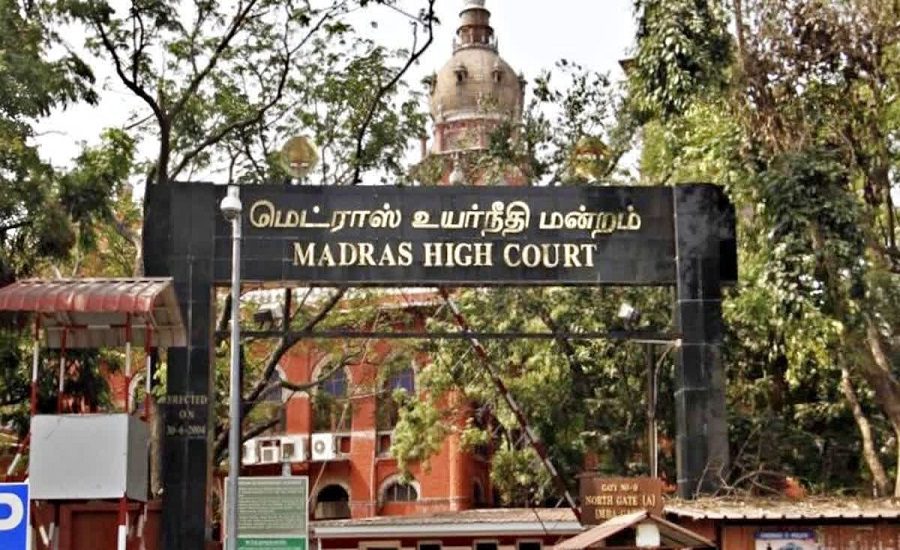
Madras High Court: State Cannot Use Temple Funds Without Trustee Approval
Court quashes government order on temple fund deployment
Ruling strengthens autonomy of religious institutions
By Our Legal Correspondent
New Delhi: January 30, 2026:
In a landmark decision, the Madras High Court (Madurai Bench) has held that the Tamil Nadu government cannot unilaterally divert temple funds for state projects or infrastructure upgrades. The ruling came in response to petitions challenging the government’s move to use temple endowment money for its “Iconic Project” at the Sri Kallazhagar Temple in Madurai.
Also Read: Kerala High Court: Angry Words in Quarrel Not Abetment of Suicide
The bench, comprising Justice Dr. Anita Sumanth and Justice C. Kumarappan, quashed the government order, stressing that temple funds must be managed by trustees and used strictly for religious and temple-related purposes. The judgment has sparked debate on the autonomy of religious institutions and the limits of state intervention.
Background of the Case
- The Tamil Nadu government had announced a ₹40-crore “Iconic Project” at the Sri Kallazhagar Temple.
- The project involved large-scale civil works and commercial activities funded by temple surplus money.
- Several petitions were filed, arguing that the move violated statutory safeguards under the Tamil Nadu Hindu Religious and Charitable Endowments (HR&CE) Act.
- Petitioners claimed that temple funds are meant for religious purposes, not for government-led commercial projects.
- The High Court agreed, ruling that the state cannot treat temples as its “fiefdom.”
Court’s Observations
- Violation of Statutory Provisions: The court found that the government order bypassed trustee-led deliberations required under law.
- Temple Autonomy: Funds belong to the temple and must be managed by trustees, not the state.
- Procedural Violations: The budgeting and expenditure approvals were incomplete and incorrect.
- Trustee Appointment: The court directed immediate measures to appoint a new board of trustees for the temple.
Legal Significance
- Strengthens Religious Autonomy: The ruling reinforces that temples are independent institutions governed by statutory provisions.
- Limits State Power: Prevents governments from using temple funds for unrelated projects.
- Sets Precedent: The judgment will influence similar disputes across Tamil Nadu and other states.
- Protects Devotee Interests: Ensures that donations and endowments are used for religious and cultural purposes.
Broader Implications
- For Temples: Trustees regain control over financial decisions, ensuring funds are used for rituals, maintenance, and welfare of devotees.
- For Government: The ruling restricts the state from tapping temple funds for public infrastructure or commercial ventures.
- For Devotees: Builds trust that their contributions will not be diverted for non-religious purposes.
- For Legal System: Highlights the importance of judicial oversight in protecting religious endowments.
Conclusion
The Madras High Court’s ruling that the state cannot unilaterally deploy temple funds is a milestone in protecting religious autonomy. By quashing the government’s order, the court has reaffirmed that temples are governed by trustees and statutory provisions, not by political decisions. This judgment ensures that temple endowments remain dedicated to their intended religious and cultural purposes, safeguarding the faith and trust of millions of devotees.
Our Recommended Legal Resource
For readers interested in understanding legal frameworks around succession, property rights, and religious endowments, the book Will Writing Simplified [Law, Procedure and Drafting of Wills, Codicils, Revocation, Probate, Letters of Administration and Succession Certificates with Supreme Court Case Law] is highly recommended. It provides practical insights into drafting and legal processes.
Also Read: Mumbai Taxi Scam: Laws Protecting Foreign Tourists and How Visitors Can Check Fares
Suggested Keywords for Faster Searches
- Madras High Court temple funds ruling
- Tamil Nadu HR&CE temple autonomy judgment
- Kallazhagar Temple Iconic Project case
- Temple funds trustee approval India
- Madurai Bench temple fund ruling
- Temple not state’s fiefdom Madras HC
- Religious endowment law India
- Tamil Nadu temple fund misuse case
- Temple autonomy vs state control India
- Will Writing Simplified legal resource
Also Read: Bombay High Court: Dividend Tax for NRIs Must Follow DTAA Rates, Not Higher Domestic Law