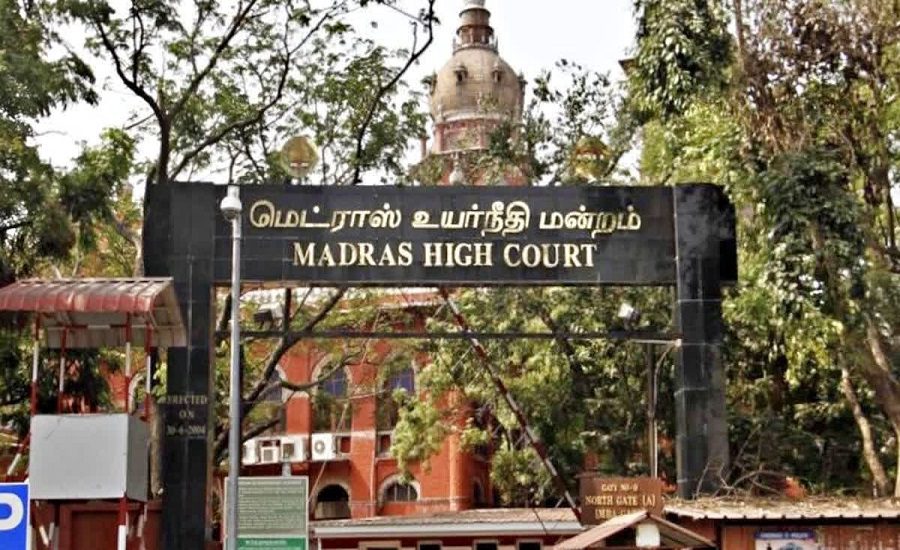
Madras High Court Blocks Tamil Nadu’s Student Data Collection Drive, Calls It Privacy Violation
Court Says Sensitive Information from Minors Cannot Be Collected Without Clear Purpose
Judges Stress Right to Privacy and Protection Against Discrimination
By Our Legal Correspondent
New Delhi: January 25, 2026:
In a landmark ruling, the Madras High Court has quashed a Tamil Nadu government directive that required model schools to collect detailed personal and socio-cultural data from students in Classes 9 to 12. The court held that the move violated the fundamental right to privacy guaranteed under Article 21 of the Indian Constitution.
Also Read: Delhi High Court Allows Cash Transfer for EWS Students Instead of Physical Uniforms
The judgment, delivered by a division bench of Justice G. Jayachandran and Justice K.K. Ramakrishnan, underscores the growing importance of privacy rights in India, especially in the context of minors and educational institutions.
Background of the Case
- The Tamil Nadu Education Department issued an order on September 4, 2025, directing government-run model schools to collect personal data from students.
- The questionnaire contained 25 questions about the students’ social and familial background, including caste, religion, parental occupation, and economic status.
- The directive was challenged in the case of Ameer Alam vs State of Tamil Nadu, with petitioners arguing that the exercise was discriminatory and unconstitutional.
- Model schools were originally established to help students prepare for competitive exams and gain admission to premier institutions, not to collect sensitive personal data.
Court’s Observations
The High Court made several critical observations:
Also Read: Supreme Court: Magistrate Cannot Be Judge in His Own Cause
- Violation of Privacy: Collecting sensitive personal data without a clear statutory purpose infringes on students’ privacy rights.
- Discrimination: The exercise amounted to discrimination against students from vulnerable and stigmatized backgrounds.
- Abuse of Power: The directive was described as an “absolute abuse of power” that could demoralize students.
- Proportionality Test: The move failed the constitutional test of proportionality, as it lacked necessity and justification.
Implications of the Ruling
- Strengthening Privacy Jurisprudence: The judgment reinforces the precedent set by the Supreme Court in Justice K.S. Puttaswamy vs Union of India (2017), which recognized privacy as a fundamental right.
- Protection of Minors: It highlights the need for special safeguards when dealing with children’s data.
- Limits on State Power: The ruling sends a strong message that governments cannot collect sensitive information without clear legal backing.
- Educational Focus: Schools must prioritize education and welfare, not intrusive data collection.
Wider Context
India is witnessing increasing debates on data protection and privacy, especially with the implementation of the Digital Personal Data Protection Act, 2023.
- The Act emphasizes consent-based data collection and restricts processing of sensitive personal data.
- The Madras High Court’s ruling aligns with these principles, ensuring that minors are not subjected to unnecessary surveillance.
- Globally, similar concerns have been raised about student data collection, with countries like the US and UK enforcing strict guidelines on educational institutions.
Also Read: Off-Duty Soldier’s Rescue of Civilians Is True Military Ethos, Rules Armed Forces Tribunal
Public and Expert Reactions
- Legal experts hailed the judgment as a progressive step in protecting privacy rights.
- Parents and educators expressed relief, noting that such intrusive questionnaires could stigmatize children.
- Policy analysts argued that the ruling should prompt governments to adopt transparent and lawful data collection practices.
Conclusion
The Madras High Court’s decision to block Tamil Nadu’s move to collect personal data from school students is a milestone in India’s privacy jurisprudence. By recognizing the rights of minors and striking down discriminatory practices, the court has reaffirmed the constitutional guarantee of privacy under Article 21.
As India continues to strengthen its data protection framework, this ruling serves as a reminder that education must empower students, not expose them to unnecessary surveillance. The judgment sets a precedent for balancing governance with individual rights, ensuring that the state respects the dignity and privacy of its citizens—especially its youngest ones.
Also Read: Madras High Court Slams Police Inaction: Abuse of Former Judge “Not Just Law and Order”
Keywords for SEO & Faster Searches
- Madras High Court student data privacy ruling
- Tamil Nadu Education Department directive quashed
- Ameer Alam vs State of Tamil Nadu case
- Right to privacy Article 21 India
- Student data collection violation India
- Madras HC judgment on school privacy
- Digital Personal Data Protection Act 2023 education
Also Read: Supreme Court Upholds Salary Rights of Odisha Block Grant Teachers