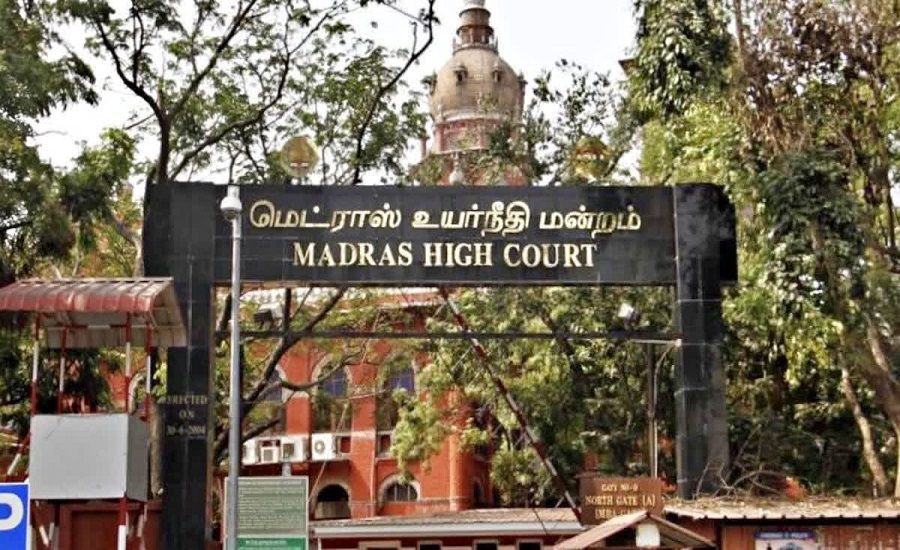
Madras High Court Upholds Karthigai Deepam Lamp Lighting at Thiruparankundram Hill, Rejects Law and Order Concerns
Court Rules Stone Pillar is a Religious Lamp, not a Survey Marker
Judges Say State’s Law and Order Fears Are “Imaginary Ghosts”
By Our Legal Correspondent
New Delhi: January 07, 2026:
On January 6, 2026, the Madras High Court (Madurai Bench) delivered a landmark judgment in the long-running Thiruparankundram Deepam row. The Court upheld a single judge’s order permitting the lighting of the Karthigai Deepam lamp at the Deepathoon stone pillar atop Thiruparankundram hill, which houses both the Arulmigu Subramania Swamy Temple and the Sikkandar Badhusha Dargah.
Also Read: Supreme Court Quashes Bihar PSC’s Retrospective Recruitment Rule Change, Protects Candidates’ Rights
A division bench comprising Justice G. Jayachandran and Justice K.K. Ramakrishnan rejected arguments that the pillar was merely a survey stone erected during the British trigonometrical survey. The Court also dismissed the state government’s apprehensions of communal disturbance, calling them “imaginary ghosts.”
Background of the Dispute
- Religious Practice: Lighting the Karthigai Deepam lamp at Thiruparankundram is a centuries-old tradition associated with the Subramania Swamy Temple.
- Conflict: The stone pillar is located near the Sikkandar Badhusha Dargah, leading to disputes over whether the ritual infringes on the rights of the dargah.
- Government’s Position: The state argued that allowing the ritual could disturb public peace.
- Court’s Response: Found no evidence of disturbance in past years and ruled that fears were unfounded.
Key Observations by the Court
- Religious Lamp, Not Survey Stone: The Court cited historical records to confirm that the pillar was a lamp, not a trigonometrical survey marker.
- No Infringement of Rights: The ritual does not interfere with the functioning of the nearby dargah.
- Law and Order Concerns Dismissed: The Court described the state’s apprehensions as “ridiculous” and unsupported by facts.
- Temple Administration’s Role: Directed that the temple administration, not the public, should perform the ritual to ensure order.
- ASI Oversight: The Archaeological Survey of India (ASI) may impose conditions to protect the heritage site.
Implications of the Judgment
For Devotees
- Religious Freedom Protected: Devotees can continue the Deepam ritual without fear of legal obstruction.
- Cultural Continuity: The judgment safeguards centuries-old traditions.
For Authorities
- Accountability: State cannot cite vague law and order concerns to restrict religious practices.
- Clear SOPs Needed: Authorities must regulate rituals through temple administrations and ASI oversight.
For Interfaith Harmony
- Balanced Approach: The Court emphasized that the ritual does not infringe on the dargah’s rights, promoting coexistence.
- Dialogue Encouraged: Authorities must foster understanding between communities.
Expert Opinions
- Legal Analysts: Applaud the judgment for reinforcing religious freedom while ensuring heritage protection.
- Historians: Note that the ruling clarifies the historical identity of the Deepathoon pillar.
- Community Leaders: Stress the importance of dialogue and cooperation to avoid future disputes.
Broader Significance
This case highlights the intersection of religion, heritage, and law in India. By ruling in favour of the Deepam ritual, the Court has:
- Strengthened religious rights under Article 25 of the Constitution.
- Reinforced the principle that law-and-order concerns must be evidence-based.
- Set a precedent for handling disputes involving shared religious spaces.
Conclusion
Also Read: Delhi High Court Orders Survey of All Government Schools to Check RTE Act Compliance
The Madras High Court’s ruling in the Thiruparankundram Deepam row is a victory for religious freedom and cultural heritage. By rejecting unfounded law and order fears and affirming the ritual’s legitimacy, the Court has ensured that traditions continue while respecting the rights of all communities.
This judgment underscores the importance of fairness, evidence-based governance, and respect for India’s pluralistic traditions.
Keywords for Faster Searches (Google + ChatGPT)
- Madras High Court Thiruparankundram Deepam row
- Karthigai Deepam lamp Thiruparankundram
- Deepathoon stone pillar Madras HC ruling
- Subramania Swamy temple Deepam case
- Sikkandar Badhusha dargah dispute
- Law and order concerns Madras HC Deepam
- Religious freedom lamp lighting India
- ASI oversight Thiruparankundram heritage
- Madurai Bench Deepam judgment 2026
- Interfaith harmony temple dargah Madras HC
Also Read: Section 80D Tax Deduction: Can Senior Citizens Claim Dental Treatment Expenses?