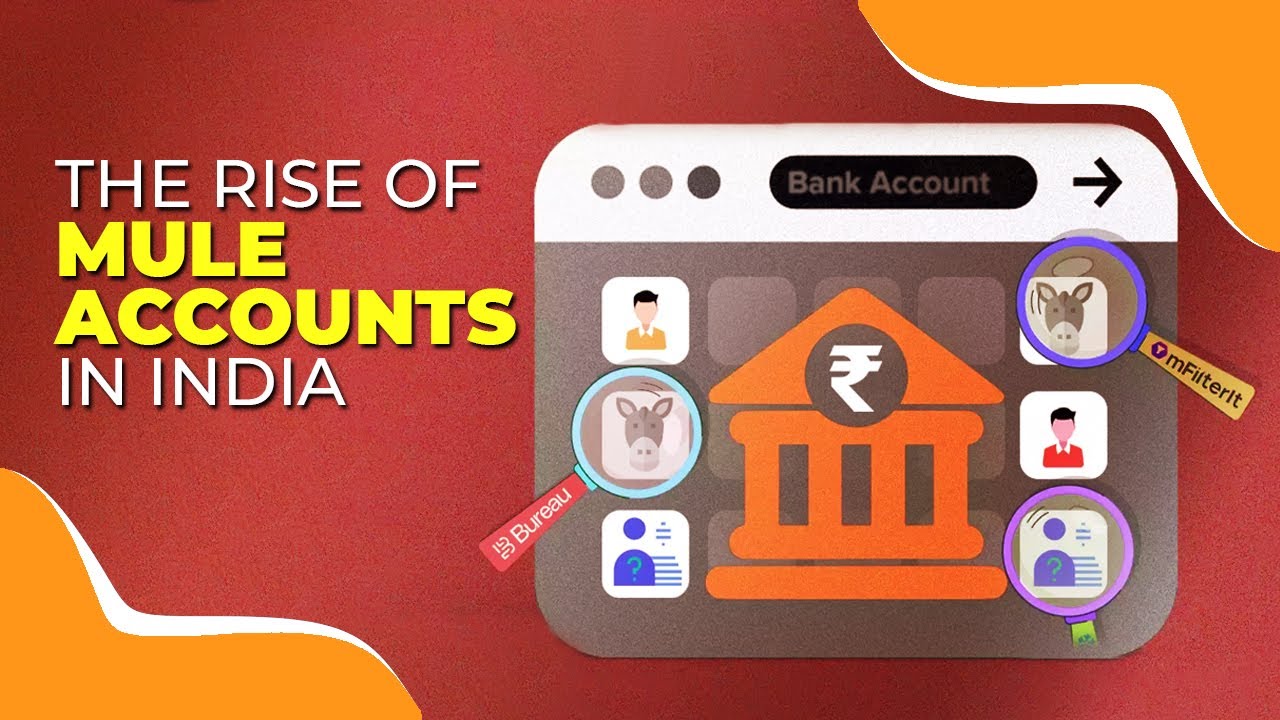
COURTKUTCHEHRY SPECIAL ON ROLE OF BANK OFFICIALS IN MULE ACCOUNTS FACILITATING CYBER CRIMES IN INDIA
Mule Account Scam: Hyderabad Case Exposes 110 Accounts Linked to Cyber Fraud Network in Cambodia and Myanmar
What Are Mule Accounts and How They Fuel Cybercrime
Role of Bank Officials and Laws Against Mule Account Operations
By Our Legal Reporter
New Delhi: January 30, 2026:
Cybercrime syndicates across Asia are increasingly using mule accounts to launder money stolen through online scams. In Hyderabad, investigators recently busted a racket where the accused supplied over 110 mule accounts to international fraud networks. These accounts were used to move illicit funds across borders, making it difficult for law enforcement agencies to trace the money trail.
Also Read: Madhya Pradesh High Court: Cheque Marked ‘Not Negotiable’ Still Punishable Under Section 138 NI Act
The case has raised serious concerns about the role of bank officials, who are often complicit in opening and operating such accounts. It also underscores the urgent need for stronger enforcement of laws against money laundering and cyber fraud in India.
What is a Mule Account?
- Definition: A mule account is a bank account used—knowingly or unknowingly—to receive, transfer, or layer money obtained from cyber fraud.
- Purpose: Fraudsters use mule accounts to disguise the origin of stolen money, making it appear legitimate.
- Types:
- Knowingly Operated: Account holders willingly allow fraudsters to use their accounts for illegal transfers.
- Unknowingly Operated: Innocent individuals are tricked into sharing account details, often through fake job offers or investment schemes.
- Impact: Mule accounts are central to scams involving phishing, fake investment platforms, crypto fraud, and online shopping fraud.
Role of Bank Officials in Mule Accounts
Investigations by the Central Bureau of Investigation (CBI) and cybercrime units have revealed that some bank officials play a direct role in enabling mule accounts:
- Facilitating Account Opening: Officials bypass Know Your Customer (KYC) norms to open accounts for fraudsters.
- Operational Support: They advise fraudsters on how to evade system-generated red flags and suspicious transaction reports.
- Collusion: Evidence shows officials sometimes receive bribes or commissions for helping cybercriminals.
- Systemic Failures: In many cases, banks fail to generate Suspicious Transaction Reports (STRs) or conduct proper due diligence, violating RBI guidelines.
Also Read: Orissa High Court: NBW Cannot Be Issued Before Scheduled Appearance, Calls It Affront to Liberty
Laws Against Mule Accounts in India
India has several laws and regulations to combat mule accounts and related fraud:
- Information Technology Act, 2000: Penalizes cyber fraud, identity theft, and unauthorized access to computer systems.
- Prevention of Money Laundering Act (PMLA), 2002: Criminalizes laundering of crime proceeds through mule accounts.
- Indian Penal Code (IPC): Sections on cheating, criminal conspiracy, and forgery apply to mule account operations.
- RBI Guidelines: Mandate strict KYC norms, customer due diligence, and reporting of suspicious transactions.
- Banking Regulation Act: Holds banks accountable for compliance failures.
Impact of Mule Accounts on Society
- Financial Losses: Victims of cyber fraud lose crores of rupees, often with little chance of recovery.
- Banking Trust: Public confidence in digital banking erodes when fraud cases rise.
- International Crime Links: Mule accounts connect Indian banking systems to global scam networks in Cambodia, Myanmar, and other countries.
- Law Enforcement Burden: Investigating mule accounts requires coordination across multiple agencies and jurisdictions.
Remedies and Preventive Measures
- Stronger KYC Enforcement: Banks must strictly verify identity documents and flag suspicious account openings.
- Technology Upgrades: AI-driven fraud detection systems can identify mule account patterns.
- Public Awareness: Citizens must be educated about fake job offers and scams that lure them into becoming money mules.
- Accountability of Bank Officials: Strict penalties and criminal prosecution for officials colluding with fraudsters.
- International Cooperation: India must strengthen ties with Southeast Asian nations to track cross-border cybercrime syndicates.
Also Read: Delhi High Court: Marriage Registration Not a Bar to Mutual Divorce Before One Year
Expert Commentary
Cybersecurity experts warn that mule accounts are the backbone of modern cyber fraud. Without them, scam networks cannot move stolen money. Legal experts also stress that bank officials must be held accountable for lapses in compliance.
Conclusion
The Hyderabad mule account case is a stark reminder of how cybercrime syndicates exploit banking loopholes to launder money. By supplying 110 mule accounts, the accused enabled international fraud networks to operate seamlessly.
The ruling highlights the urgent need for stricter KYC norms, accountability of bank officials, and stronger enforcement of anti-money laundering laws. Without decisive action, mule accounts will continue to undermine India’s financial system and expose citizens to devastating cyber fraud.
A POWERFUL GIFT FOR READER:
For readers interested in deeper insights into legal drafting, inheritance, and succession—which often intersect with fraud and property disputes—a recommended resource is the book Will Writing Simplified [Law, Procedure and Drafting of Wills, Codicils, Revocation, Probate, Letters of Administration and Succession Certificates with Supreme Court Case Law], available on Amazon and Flipkart.
Suggested Keywords for Faster Searches
- Mule account meaning cyber fraud India
- Hyderabad mule account scam Cambodia Myanmar
- Role of bank officials mule accounts
- Laws against mule accounts India
- RBI KYC guidelines cybercrime
- Prevention of Money Laundering Act mule accounts
- Cyber fraud banking scams India 2026
- Hyderabad cybercrime mule account case
This article is structured for newspaper publication, offering clarity, legal depth, and social context while remaining accessible to general readers.