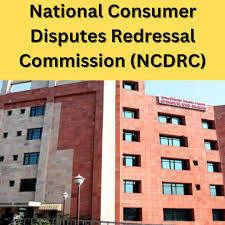
NCDRC Ruling: Hidden Medical History Costs Mumbai Widow ₹78 Lakh in Insurance Claim
Commission Upholds Doctrine of Utmost Good Faith in Insurance Contracts
Case Highlights Importance of Full Disclosure in Life Insurance Policies
By Our Legal Reporter
New Delhi: January 31, 2026:
In a landmark decision, the National Consumer Disputes Redressal Commission (NCDRC) dismissed a Mumbai widow’s plea for an insurance claim worth ₹78 lakh, ruling that her late husband had failed to disclose his prolonged illness when purchasing a ₹90 lakh life insurance policy. The Commission emphasized that insurance contracts are governed by the doctrine of “uberrimae fidei” (utmost good faith), requiring complete honesty from policyholders. This judgment underscores the critical importance of transparency in insurance dealings and serves as a cautionary tale for millions of policyholders across India.
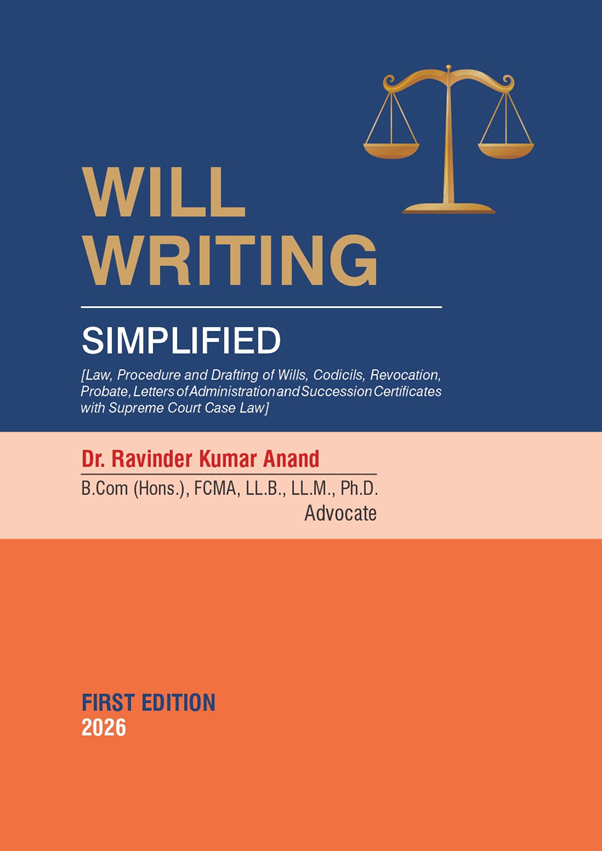
(As Health Insurance Is Necessity, So Is Will for Wealth preservation of family. A well drafted Will saves family from property disputes. In this context, CourtKutchehry.com highly recommend a new book on this burning subject. Please read below and click links to purchase it.
For readers seeking deeper insights into Indian legal procedures on drafting will and laws on succession, the book Will Writing Simplified [Law, Procedure and Drafting of Wills, Codicils, Revocation, Probate, Letters of Administration and Succession Certificates with Supreme Court Case Law] is an excellent resource. It provides practical guidance on drafting legal documents and interpreting case law.
Background of the Case
- The deceased purchased a ₹90 lakh life insurance policy but passed away just eight months later after a prolonged illness.
- His widow filed a claim for ₹78 lakh, which the insurance company rejected citing non-disclosure of medical history.
- The widow approached the NCDRC, alleging deficiency in service and unfair trade practices.
- The Commission, however, upheld the insurer’s decision, ruling that the policyholder had breached the principle of utmost good faith.
Key Highlights of the Judgment
- Doctrine of Utmost Good Faith: Insurance contracts require full disclosure of material facts, especially medical history.
- No deficiency in service: The NCDRC found no fault with the insurer’s rejection of the claim.
- Consumer responsibility: The ruling places the burden on policyholders to ensure accurate and complete information at the time of purchase.
- Legal precedent: This case strengthens insurers’ position in disputes involving non-disclosure.
Broader Legal Implications
- Impact on policyholders: Individuals must disclose all medical conditions, even minor ones, to avoid claim rejection.
- Strengthening insurer rights: The ruling empowers insurance companies to deny claims where material facts are hidden.
- Consumer awareness: The case highlights the need for better education about insurance obligations.
- Judicial consistency: Courts and commissions are likely to follow this precedent in similar disputes.
Expert Opinions
Legal experts note that while the ruling may seem harsh, it is consistent with global insurance practices. The doctrine of utmost good faith ensures fairness by preventing fraud and protecting insurers from undue risk. Consumer rights advocates, however, argue that insurers must also ensure clarity in policy terms to avoid confusion among buyers.
Practical Advice for Citizens
- Disclose all medical history: Even past illnesses or minor conditions should be declared.
- Keep records: Maintain medical documents and share them with insurers during policy purchase.
- Seek professional guidance: Consult insurance advisors or lawyers before signing contracts.
- Understand policy terms: Read the fine print carefully to avoid surprises during claim settlement.
Conclusion
The NCDRC’s ruling against the Mumbai widow highlights the critical importance of transparency in insurance contracts. By upholding the doctrine of utmost good faith, the Commission has reinforced that policyholders must disclose all relevant medical details to ensure claim validity. This case serves as a reminder that honesty at the time of purchase is not just a moral obligation but a legal necessity.
Suggested Keywords for Faster Searches
- NCDRC insurance claim hidden medical history
- Mumbai widow insurance case ₹78 lakh
- Utmost good faith insurance India
- Life insurance claim rejection India
- Consumer rights insurance disputes
- Insurance law India NCDRC ruling
- Will Writing Simplified book legal drafting
Also Read: COURTKUTCHERY SPECIAL ON #BUDGET2026 ON TAXPAYERS IMPACT