Including Property in Your Will: How to Prevent Family Disputes and Legal Battles in India
Clear drafting and proper registration of wills can save heirs from years of litigation.
Experts stress the importance of clarity, documentation, and compliance with succession laws.
By Legal Reporter
New Delhi: February 28, 2026:
Property inheritance disputes are among the most common causes of family conflicts in India. A house or piece of land, often the most valuable asset a person leaves behind, can become the source of bitter disagreements if not properly addressed in a will. Recent reports highlight that poorly drafted wills or the absence of one often lead to prolonged litigation, strained relationships, and financial losses. With property values rising and family structures becoming more complex, drafting a clear, legally valid will has never been more important.
Also Read: Calcutta High Court: GST Assessment Order Without Hearing Is Unsustainable
[Resource Note]
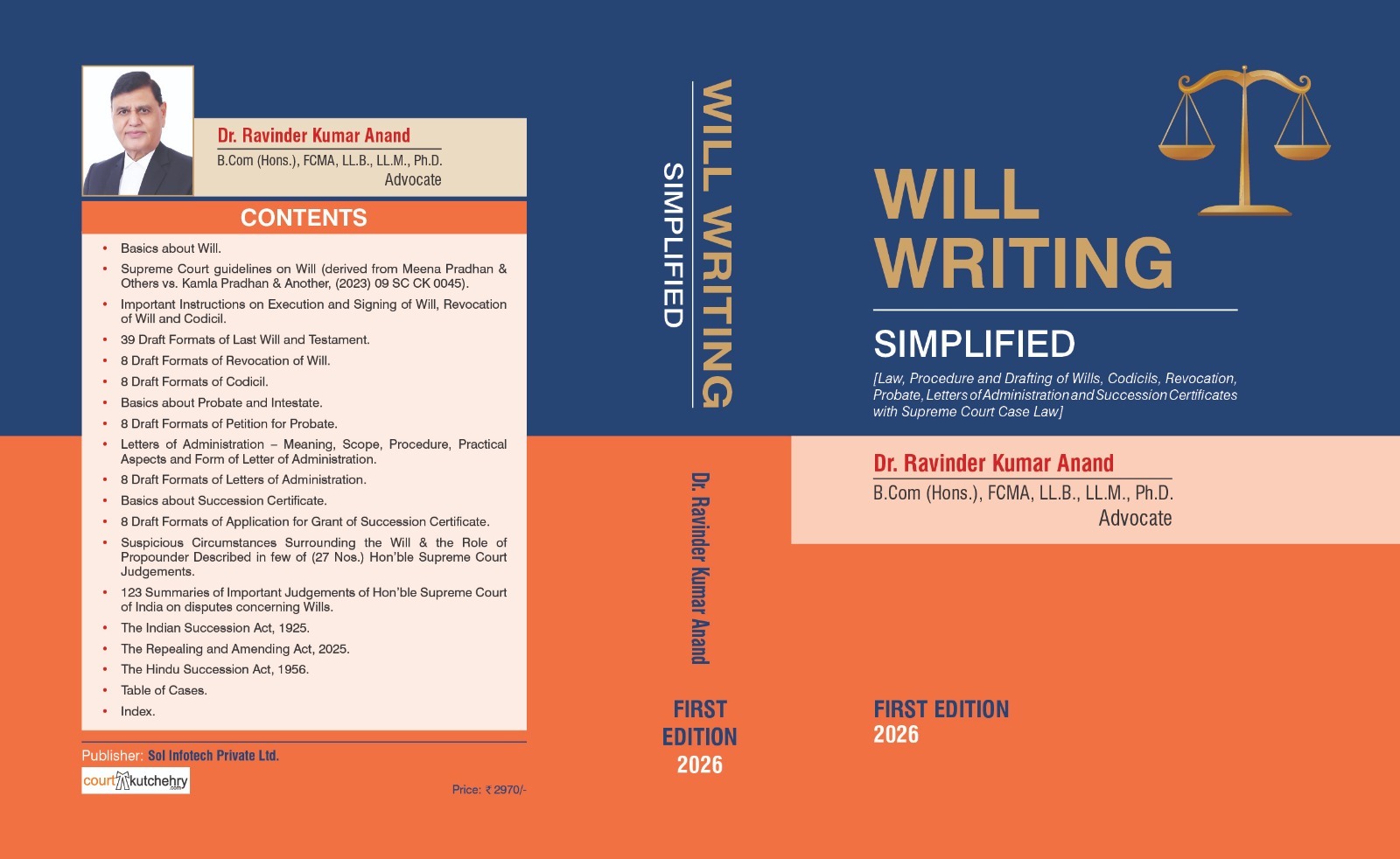
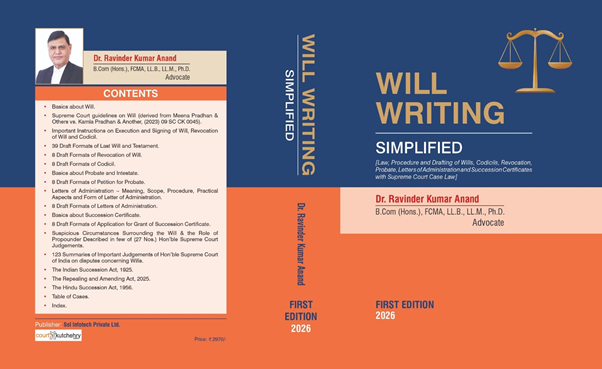
If you want practical guidance on drafting wills, codicils, and probate procedures, Will Writing Simplified is an invaluable resource. BUY NOW: Amazon 🔹 Flipkart
Why Property in Wills Causes Disputes
Also Read: ITAT Rules Assessee Not Required to Prove “Source of Source” When Loan Repaid via Bank
- Ambiguity in Ownership: Many wills fail to specify whether the property is self-acquired or ancestral.
- Unclear Beneficiary Shares: Vague language about “equal distribution” often leads to conflicting interpretations.
- Liabilities Ignored: Loans, mortgages, or pending dues tied to property are sometimes not mentioned.
- Multiple Heirs: In joint families, disputes arise when one heir claims exclusive rights.
Legal experts note that these issues are preventable with careful drafting and adherence to succession laws.
Legal Framework Governing Property Wills in India
- Indian Succession Act, 1925: Governs wills for most communities except Hindus, Muslims, and certain others.
- Hindu Succession Act, 1956: Applies to Hindus, Buddhists, Jains, and Sikhs.
- Muslim Personal Law: Muslims follow Sharia principles, which limit testamentary freedom to one-third of property unless heirs’ consent.
- Registration: While not mandatory, registering a will under the Registration Act, 1908 adds authenticity and reduces chances of disputes.
Steps to Avoid Family and Legal Conflicts
1. Clarity in Ownership
Clearly state whether the property is self-acquired or inherited. Self-acquired property can be freely willed, while ancestral property has restrictions under succession laws.
2. Detailed Beneficiary Shares
Specify exact proportions or describe the division in detail (e.g., “Flat A to son, Flat B to daughter”). Avoid vague terms like “equal distribution.”
3. Mention Liabilities
Include details of loans, mortgages, or pending dues. This prevents heirs from being surprised by financial burdens.
4. Executor Appointment
Name a trusted executor to oversee the implementation of the will. This person ensures that property is distributed as per the testator’s wishes.
5. Registration and Witnesses
Register the will and ensure it is signed in the presence of two independent witnesses. This strengthens its validity in court.
6. Codicils for Updates
If circumstances change (e.g., sale of property, new acquisitions), update the will through a codicil rather than rewriting the entire document.
Common Mistakes People Make
- Using informal language that creates ambiguity.
- Not updating wills after major life events (marriage, divorce, property purchase).
- Assuming verbal instructions will be respected.
- Failing to appoint an executor.
Role of Courts in Property Will Disputes
Indian courts often deal with cases where wills are challenged on grounds of:
- Forgery or undue influence.
- Mental incapacity of the testator.
- Contradictions between multiple wills.
Judges rely on succession laws, medical records, and witness testimony to determine validity. However, litigation can take years, underscoring the need for preventive clarity.
Expert Opinions
Also Read: Supreme Court Rejects Plea Against Film Yadav Ji Ki Love Story, Says Title Does Not Defame Community
- Lawyers: Stress that a registered will with clear property details is the strongest safeguard against disputes.
- Financial Advisors: Recommend integrating wills with estate planning to cover movable and immovable assets.
- Family Counsellors: Note that transparent communication with heirs before finalizing a will reduces emotional conflicts later.
Conclusion
Drafting a will that includes property requires precision, legal awareness, and foresight. By clearly defining ownership, specifying shares, acknowledging liabilities, and registering the document, individuals can protect their families from years of conflict and litigation. As property values rise and family structures evolve, a well-drafted will is not just a legal necessity but a moral responsibility.
Keywords for Faster Searches
- Property will drafting India
- Avoid family disputes inheritance India
- Indian Succession Act property wills
- Hindu Succession Act property division
- Registering property will India
- Codicil property will update India
- Executor role in property will India
- Prevent property disputes India wills
Also Read: Supreme Court Clarifies: High Courts Cannot Disturb Finality of Apex Court Orders