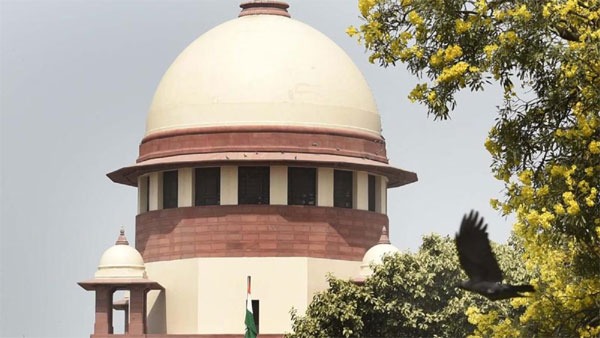
Supreme Court Clarifies: High Courts Cannot Disturb Finality of Apex Court Orders
Bench explains remedies for non-parties affected by judgments in rem.
Kerala teachers’ promotion dispute prompts landmark clarification on judicial hierarchy.
By Legal Reporter
New Delhi: March 01, 2026:
The Supreme Court of India has ruled that High Courts cannot revisit or disturb the finality of orders passed by the Apex Court, even in cases where individuals who were not parties to the original proceedings claim to be adversely affected. The judgment, delivered on February 28, 2026, by a Bench of Justice Dipankar Datta and Justice Aravind Kumar, arose from a long-standing dispute over the qualifications and promotions of technical education teachers in Kerala.
Also Read: Shine City Scam: Promoter Rashid Naseem Arrested in Dubai, ED Steps Up Asset Confiscation Drive
The Court also clarified the remedies available to non-parties aggrieved by judgments in rem—decisions that apply to a class of people or the public at large rather than just the litigants.
[Resource Note]
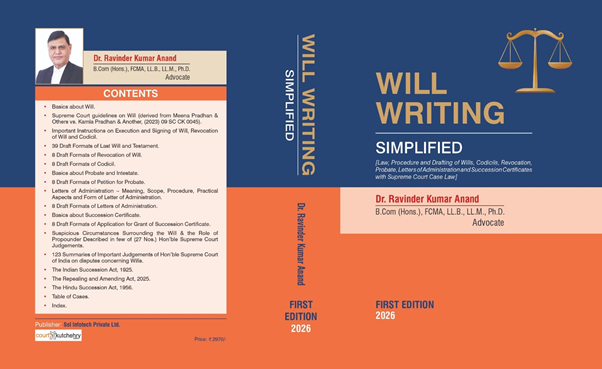
If you want practical guidance on drafting wills, codicils, and probate procedures, Will Writing Simplified is an invaluable resource. BUY NOW: Amazon 🔹 Flipkart
Background of the Case
- The dispute involved technical education teachers in Kerala, where questions of qualification and promotion had led to multiple rounds of litigation.
- The Supreme Court had earlier delivered a judgment in rem, settling the issue for all similarly placed teachers.
- Some individuals who were not parties to the original case approached the Kerala High Court, seeking relief.
- The High Court attempted to revisit the matter, prompting appeals to the Supreme Court.
Supreme Court’s Observations
- Finality of Apex Court Orders: Once the Supreme Court has passed a judgment, High Courts cannot reopen or disturb it.
- Judgments in Rem: Such judgments bind all individuals within the affected class, not just the litigants.
- Remedies for Non-Parties:
- Non-parties aggrieved by a judgment in rem must approach the Supreme Court directly.
- Filing fresh proceedings in High Courts is impermissible.
- Judicial Discipline: The Court emphasized that judicial hierarchy must be respected to maintain consistency and certainty in law.
Legal Significance
- Hierarchy Reinforced: Clarifies that High Courts cannot override or dilute Supreme Court rulings.
- Judgments in Rem: Provides guidance on how individuals outside the original case can seek remedies.
- Service Jurisprudence: Strengthens clarity in disputes involving promotions, qualifications, and employment rights.
Impact of the Judgment
Also Read: Including Property in Your Will: How to Prevent Family Disputes and Legal Battles in India
- For Teachers in Kerala: Ensures uniform application of the Supreme Court’s ruling on qualifications and promotions.
- For Judiciary: Reinforces discipline and prevents conflicting rulings across courts.
- For Citizens: Clarifies that remedies against judgments in rem must be sought at the Supreme Court level.
Expert Opinions
- Legal Scholars: Applaud the ruling for reinforcing judicial hierarchy and preventing confusion.
- Service Law Experts: Note that the judgment provides much-needed clarity in employment-related disputes.
- Critics: Argue that access to the Supreme Court may be difficult for non-parties, highlighting the need for procedural support.
Conclusion
The Supreme Court’s ruling that High Courts cannot disturb the finality of Apex Court orders is a landmark clarification in Indian jurisprudence. By outlining remedies for non-parties affected by judgments in rem, the Court has strengthened judicial discipline and ensured consistency in the application of law. This decision will have far-reaching implications, particularly in service jurisprudence and other areas where judgments apply to entire classes of individuals
Keywords for Faster Searches
- Supreme Court High Court finality ruling
- Judgments in rem remedies India
- Kerala teachers promotion dispute Supreme Court
- Justice Dipankar Datta Aravind Kumar ruling
- High Court cannot reopen Supreme Court orders
- Service jurisprudence Supreme Court clarification
- Apex Court finality principle India