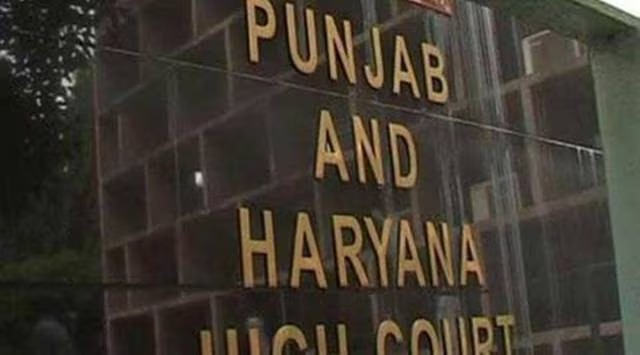
Punjab & Haryana High Court Cuts Sub-Inspector’s Extortion Punishment: Balancing Guilt and Proportional Justice
Court says penalty was harsher than misconduct proved
Case raises questions on fairness in police disciplinary actions
By Our Legal Correspondent
New Delhi: January 30, 2026:
In a significant ruling, the Punjab and Haryana High Court stepped in to reduce the disciplinary punishment of a police sub-inspector accused of extortion. The officer was charged with demanding a mobile phone and cash from a civilian, leading to departmental action. While the court acknowledged that the officer was not entirely innocent, it found the punishment imposed—forfeiture of five increments with permanent effect—to be excessive and disproportionate.
Also Read: Madhya Pradesh High Court: Cheque Marked ‘Not Negotiable’ Still Punishable Under Section 138 NI Act
This judgment has sparked debate on how disciplinary proceedings against law enforcement officers should be handled, especially when misconduct is proven but the punishment appears unduly harsh.
Background of the Case
- The sub-inspector was accused of extorting a mobile phone and Rs 25,000 cash from a civilian.
- Departmental authorities imposed a severe penalty: forfeiture of five increments permanently, which would affect his career progression and pension benefits.
- The officer challenged this punishment in the High Court, arguing that it was disproportionate to the alleged misconduct.
- Justice Jagmohan Bansal, while hearing the plea, observed that although the officer’s conduct was questionable, the punishment could not be justified as proportionate.
Court’s Observations
- The High Court noted that witness testimony confirmed the officer’s involvement in financial transactions, indicating misconduct.
- However, the court emphasized that disciplinary penalties must be proportionate to the offence.
- Justice Bansal ruled that the punishment imposed by the department was too harsh and needed to be reduced.
- The judgment reflects the principle that while misconduct must be punished, justice requires fairness and balance.
Also Read: Orissa High Court: NBW Cannot Be Issued Before Scheduled Appearance, Calls It Affront to Liberty
Legal Significance
This ruling is important for several reasons:
- It reinforces the principle of proportionality in disciplinary actions.
- It highlights the judiciary’s role in ensuring that administrative punishments do not become excessive.
- It sets a precedent for future cases where police officers or government employees challenge departmental penalties.
Legal experts point out that such judgments help maintain trust in the justice system, ensuring that punishment is not only a deterrent but also fair.
Broader Implications
- For Police Forces: The case raises questions about how internal disciplinary mechanisms are applied and whether they sometimes lean towards excessive punishment.
- For Citizens: It shows that courts remain vigilant in ensuring fairness, even when misconduct by law enforcement is proven.
- For Legal Practitioners: The judgment underscores the importance of proportionality, a principle often debated in administrative law.
Conclusion
The Punjab and Haryana High Court’s decision to reduce the punishment of the sub-inspector accused of extortion is a reminder that justice must balance accountability with fairness. While misconduct cannot be ignored, punishments must not be disproportionate to the offence. This ruling will likely influence how disciplinary actions are reviewed in the future, ensuring that fairness remains central to justice.
Also Read: Delhi High Court: Marriage Registration Not a Bar to Mutual Divorce Before One Year
Recommended Legal Resource
For readers interested in understanding legal procedures, especially those involving disciplinary actions, succession, and related matters, the book Will Writing Simplified [Law, Procedure and Drafting of Wills, Codicils, Revocation, Probate, Letters of Administration and Succession Certificates with Supreme Court Case Law] is highly recommended. It provides practical insights into drafting and legal processes.
Suggested Keywords for Faster Searches
- Punjab Haryana High Court extortion case
- Sub-inspector punishment reduced
- Police disciplinary action India
- Justice Jagmohan Bansal ruling
- Proportionality in legal punishment
- Extortion case High Court India
- Police misconduct court judgment
- Departmental penalty reduced court
- Law and justice proportionality India
- Will Writing Simplified legal resource