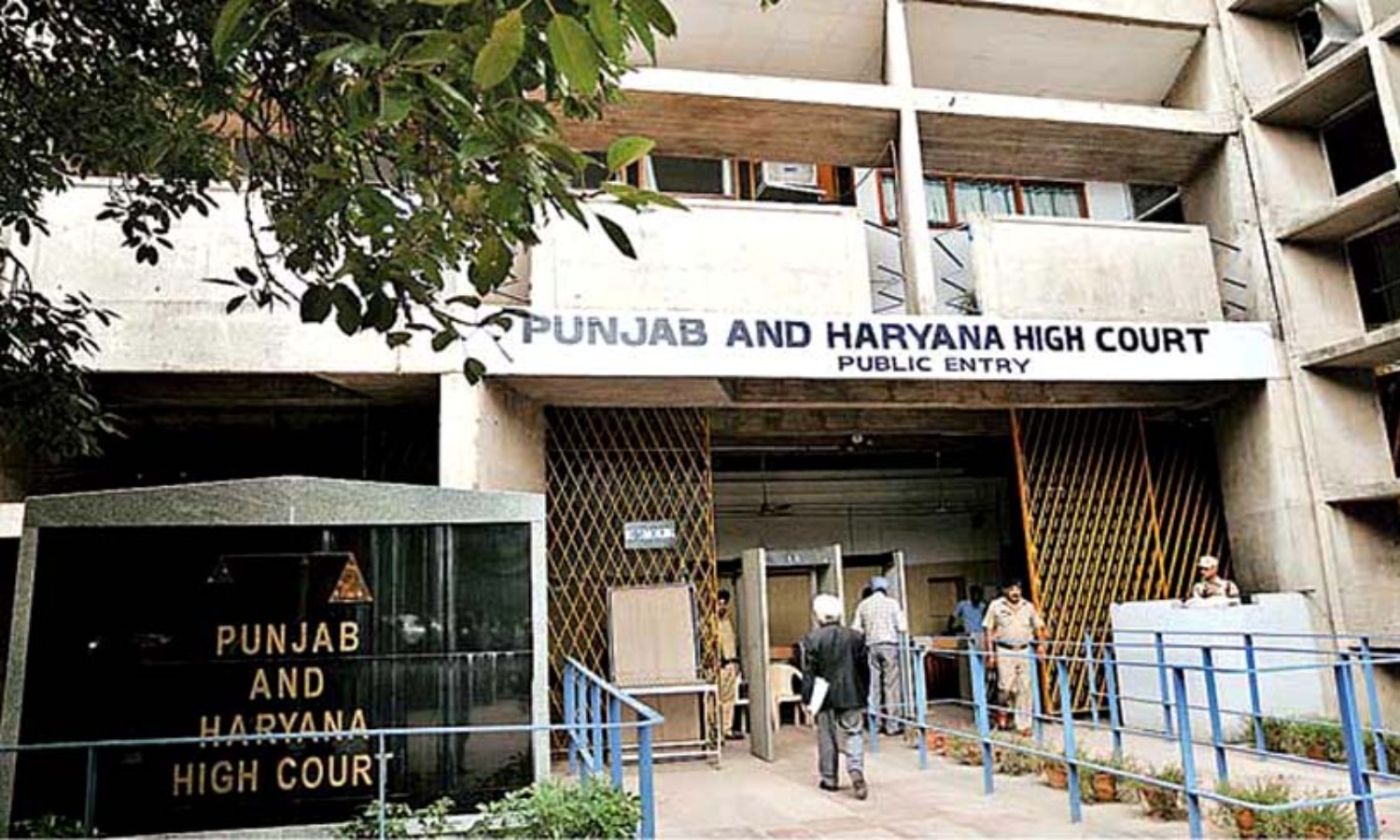
P&H High Court: Refund of Earnest Money Can Be Claimed Anytime, Limitation Not a Bar
Court says amendment for alternative relief is valid at any stage of proceedings
Specific Relief Act overrides procedural hurdles, ensuring justice for buyers and sellers
By Our Legal Correspondent
In a significant judgment, the Punjab and Haryana High Court have held that refund of earnest money as an alternative relief can be sought at any stage of a civil suit, and limitation will not act as a bar. The ruling, delivered by Justice Archana Puri, clarifies the interplay between Section 22(1) of the Specific Relief Act, 1963 and Order 6 Rule 17 of the Civil Procedure Code (CPC).
The decision is expected to have wide implications for property disputes, contractual disagreements, and cases involving specific performance, where buyers often seek refund of earnest money if the main relief of specific performance is denied.
Background of the Case
The case involved a dispute between Radha Raman Sharma (petitioner) and Raj Kumar (respondent). The petitioner sought specific performance of a contract but later moved to amend the plaint to include refund of earnest money as an alternative relief.
The respondent opposed the amendment, arguing that it was barred by limitation and could not be introduced at a late stage. However, the High Court rejected this contention, holding that Section 22(1) of the Specific Relief Act contains a non-obstante clause that overrides procedural restrictions under the CPC.
Key Observations by the Court
- Section 22(1) of the Specific Relief Act: Allows plaintiffs to claim alternative reliefs, including refund of earnest money, even if not originally pleaded.
- Non-obstante clause: Gives overriding effect to Section 22(1) over CPC provisions, ensuring substantive justice.
- Order 6 Rule 17 CPC: Permits amendment of pleadings at any stage, provided it does not change the nature of the suit.
- Limitation not a bar: The Court clarified that limitation laws do not prevent such amendments, as the relief flows directly from the contract in dispute.
Why This Ruling Matters
- For buyers: Protects their right to recover earnest money if specific performance is denied.
- For sellers: Ensures clarity in contractual disputes, reducing chances of unfair dismissal of claims.
- For courts: Reinforces the principle that substantive justice must prevail over procedural technicalities.
Comparison Table
|
Aspect |
Before Ruling |
After Ruling |
|
Refund of earnest money |
Needed to be specifically pleaded at the start |
Can be claimed anytime via amendment |
|
Limitation period |
Could block late claims |
Not a bar for alternative relief |
|
Court’s role |
Bound by procedural hurdles |
Empowered to grant substantive justice |
|
Impact on litigants |
Risk of losing money if not pleaded |
Greater protection for buyers and sellers |
Broader Legal Context
Also Read: Delhi High Court Orders MEA to Appoint Legal Firm for Celina Jaitly’s Brother Detained in UAE
This ruling aligns with recent Supreme Court judgments that clarified the scope of Section 22 of the Specific Relief Act:
- In KR Suresh v. R Poornima (2025), the Supreme Court held that courts cannot grant refund of earnest money suo motu; it must be specifically prayed for.
- The Court also emphasized that plaintiffs may amend their plaints at any stage to seek alternative reliefs, reinforcing the principle of substantive justice.
Together, these rulings ensure that litigants are not denied rightful relief due to technical lapses in pleadings.
Risks & Limitations
- Risk of misuse: Plaintiffs may attempt to introduce amendments late in proceedings to delay cases.
- Judicial caution: Courts must ensure amendments do not change the nature of the suit or prejudice the other party.
- Trade-off: While this ruling protects buyers, it also means sellers may face prolonged litigation.
Conclusion
The Punjab and Haryana High Court’s ruling is a landmark in property and contract law. By holding that refund of earnest money can be claimed at any stage and limitation is not a bar, the Court has reinforced the principle that justice must not be defeated by procedural technicalities.
Also Read: Supreme Court: Husband Must Maintain Ex-Wife Even If She Is Educated or Supported by Parents
This judgment, read alongside recent Supreme Court clarifications, ensures that litigants have a fair chance to recover their money and that courts remain focused on substantive justice.
Suggested Keywords (SEO + ChatGPT)
- Punjab Haryana High Court earnest money refund
- Section 22 Specific Relief Act refund ruling
- Order 6 Rule 17 CPC amendment
- Earnest money refund limitation not bar
- Supreme Court earnest money refund case
- Alternative relief in specific performance suits
- P&H High Court property dispute ruling
- Refund of earnest money legal news India