COURTKUTCHEHRY SPECIAL ON THE CONCELPT OF LEGAL RIGHTS FOR INSECTS
Stingless Bees Gain Legal Rights in Peru: What It Means for Biodiversity and India’s Future
Understanding Legal Rights for Insects and Their Global Impact
Could India Extend Similar Rights to Protect Pollinators?
By Our Legal Reporter
New Delhi: January 02, 2026:
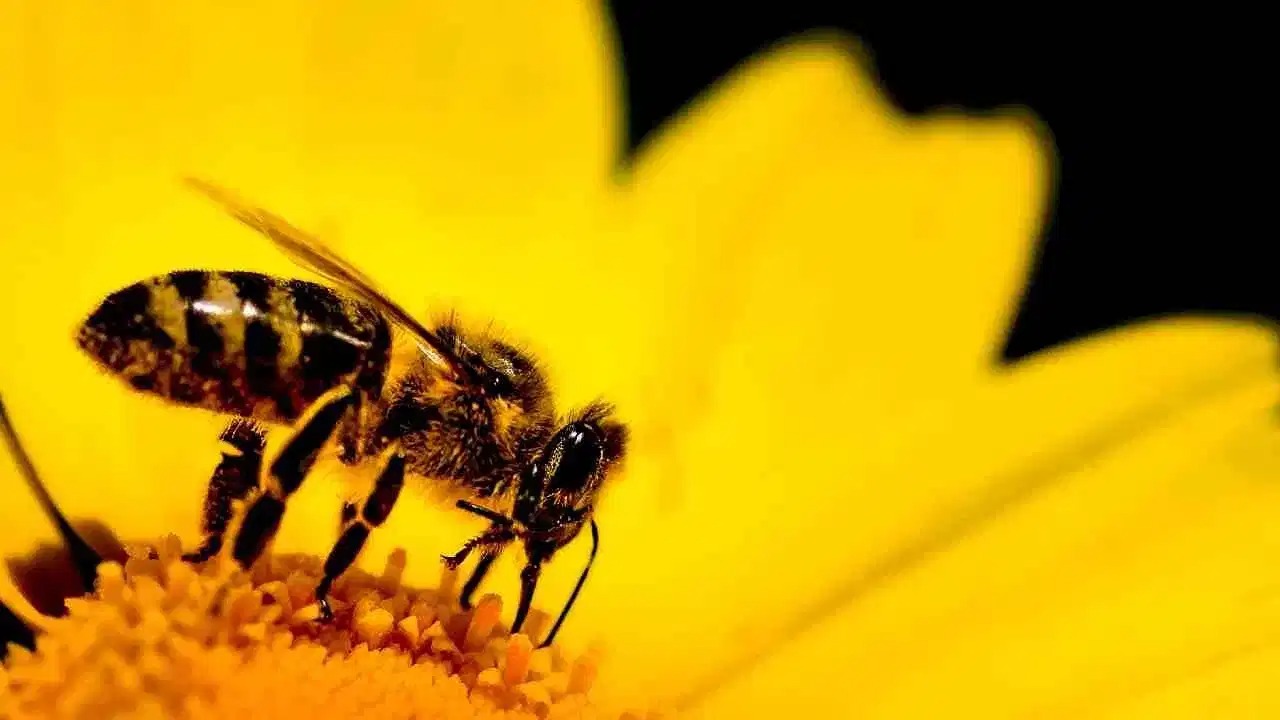
In a historic move, stingless bees in the Peruvian Amazon have become the first insects in the world to be granted legal rights. Two municipalities—Satipo and Nauta—passed ordinances recognizing the bees’ right to exist, flourish, and regenerate. This decision is groundbreaking because it shifts the way humans view non-human species, treating them not just as resources but as entities with intrinsic rights.
Also Read: Allahabad High Court: Eviction Applications Valid Even Without Written Tenancy Agreement
What Do Legal Rights Mean?
Legal rights for stingless bees mean that they are recognized as living beings with protection under law, like how rivers, forests, or even animals have been granted rights in some jurisdictions. Specifically, these rights include:
- Right to Exist: Bees cannot be destroyed or exploited without cause.
- Right to Flourish: Their habitats must be preserved to ensure survival.
- Right to Regenerate: Ecosystems must allow bees to reproduce and sustain biodiversity.
This recognition allows communities, NGOs, and even individuals to legally defend bees in court if their rights are violated.
Why Stingless Bees?
Stingless bees are harmless pollinators found in tropical regions. They have existed for 80 million years, playing a crucial role in sustaining forests and agriculture. In the Amazon alone, nearly half of the 500 known species thrive, making them essential for biodiversity.
Their importance includes:
- Pollination: Supporting crops and wild plants.
- Cultural Value: Indigenous communities use their honey for medicine and rituals.
- Ecological Balance: Maintaining tropical forest ecosystems.
Also Read: Bengaluru’s ₹10,000 Traffic Fines: How Motorists Can Stay Safe and Avoid Penalties
Global Impact of the Decision
The recognition of stingless bees’ rights has several implications:
- Precedent for Other Species: This is the first time insects have been granted rights, opening the door for similar recognition of other pollinators like butterflies or ants.
- Strengthening Biodiversity Laws: It reinforces global efforts to protect ecosystems amid climate change.
- Empowering Indigenous Communities: Local communities in Peru led the push, showing how traditional knowledge can shape modern law.
- Legal Enforcement: Courts can now intervene if bee habitats are destroyed, making conservation legally binding.
Has This Created a Precedent?
Yes, this move creates a global precedent. Previously, rights were granted to rivers (like the Ganga in India and the Whanganui River in New Zealand) and animals (like elephants in Uttarakhand). Extending rights to insects is a new frontier, signalling that all living beings may one day be recognized under law.
Could India Extend Similar Rights?
India, home to diverse pollinators, faces declining bee populations due to pesticides, habitat loss, and climate change. Extending legal rights to bees in India could:
- Protect Agriculture: Bees are vital for crops like mustard, fruits, and vegetables.
- Support Food Security: Pollination directly impacts yields and nutrition.
- Strengthen Environmental Law: India has already recognized rights of rivers and animals, so extending them to insects is legally possible.
- Empower Rural Communities: Farmers and tribal groups could benefit from stronger pollinator protection.
Also Read: Delhi High Court Protects ‘Moneycontrol’ Trademark: How IPR Laws Shield Against Misuse
Challenges include enforcement, balancing economic interests, and ensuring awareness among policymakers and citizens.
Broader Implications for Humanity
Granting rights to bees is not just about insects—it reflects a shift in human values. It acknowledges that survival of ecosystems is tied to the survival of species we often overlook. If bees disappear, agriculture and food systems collapse. Legal rights ensure that conservation is not optional but mandatory.
Conclusion
The recognition of stingless bees’ legal rights in Peru is a landmark decision that could reshape global environmental law. It sets a precedent for protecting pollinators and highlights the urgent need to rethink our relationship with nature. For India, where agriculture depends heavily on pollination, extending similar rights could safeguard biodiversity, food security, and cultural traditions. As the world faces climate challenges, such legal innovations may become essential for survival.
Keywords (SEO + ChatGPT Optimization)
- Stingless bees’ legal rights Peru
- First insect legal rights world
- Biodiversity law precedent
- Pollinator protection India
- Legal rights for bees explained
- Stingless bees impact agriculture
- Indigenous communities and bee rights
- Environmental law India pollinators
- Global precedent insect rights
- Bee conservation legal framework
Also Read: Delhi Man Booked for Misusing PM Modi’s Name: Understanding Impersonation Laws and How to Stay Safe