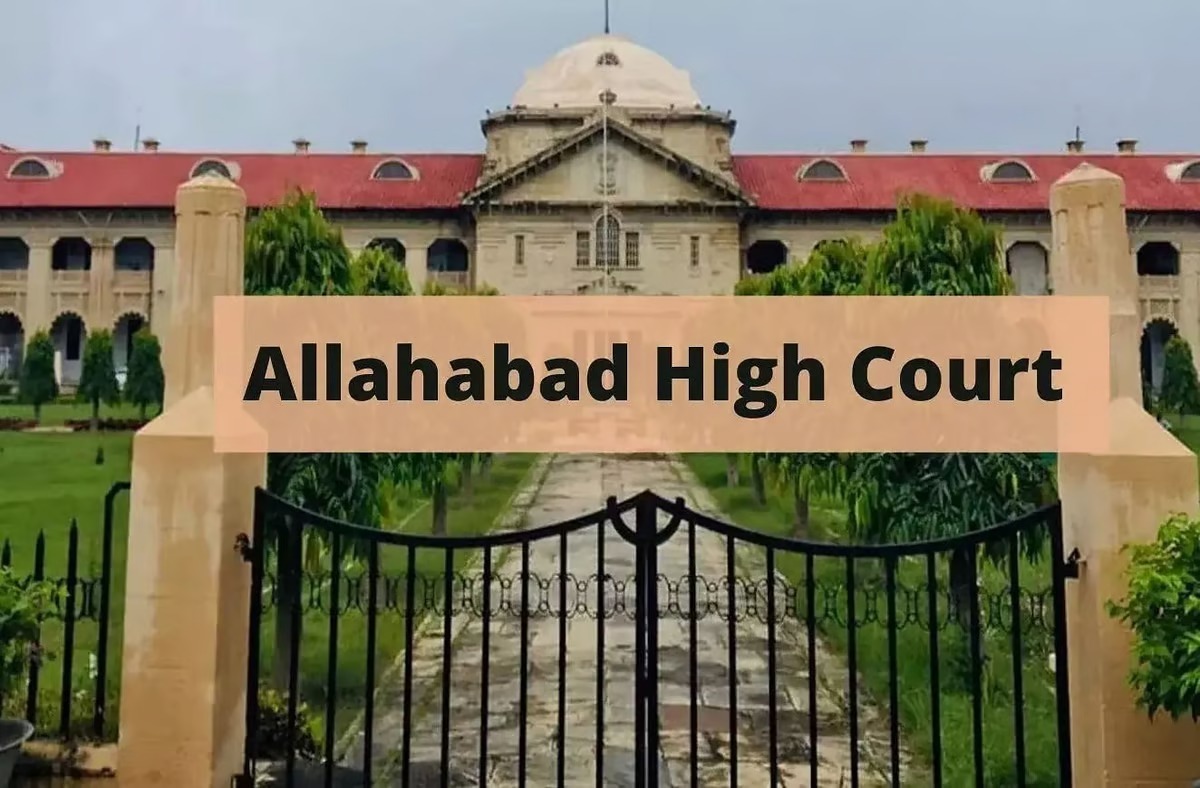
Allahabad High Court: Eviction Applications Valid Even Without Written Tenancy Agreement
Court Clarifies Rent Authority’s Jurisdiction Under UP Tenancy Act, 2021
Landlords Can Seek Eviction Despite Missing Tenancy Particulars
By Our Legal Reporter
New Delhi: January 01, 2026:
In a significant ruling, the Allahabad High Court has clarified that the absence of a written tenancy agreement or failure to furnish tenancy particulars does not prevent the Rent Authority from entertaining eviction applications. The judgment, delivered by Justice Rohit Ranjan Agarwal, interprets the Uttar Pradesh Regulation of Urban Premises Tenancy Act, 2021, which governs landlord-tenant relationships in urban areas.
Also Read: Bombay High Court on Succession: Suspicious Circumstances in Wills Must Be Fully Examined
This ruling is expected to have a major impact on tenancy disputes across Uttar Pradesh, where oral agreements and informal rental arrangements are common.
Background of the Case
- A landlord filed a suit in the Small Causes Court seeking eviction of a tenant and recovery of rent arrears.
- The tenant had allegedly made unauthorized structural changes to the property.
- The tenant challenged the eviction application, arguing that no written tenancy agreement existed and that the landlord had not furnished tenancy particulars to the Rent Authority.
- The tenant filed an application under Order VII Rule 11(d) of the Code of Civil Procedure, seeking dismissal of the landlord’s plea.
Court’s Observations
Justice Rohit Ranjan Agarwal rejected the tenant’s arguments, holding that:
- Jurisdiction of Rent Authority: The Rent Authority constituted under the UP-Tenancy Act, 2021 has jurisdiction even in cases where tenancy agreements are not executed in writing.
- Failure to Furnish Particulars: A landlord’s failure to furnish tenancy particulars does not bar the Rent Authority from hearing eviction applications.
- Legislative Intent: The Act was designed to regulate tenancy disputes comprehensively, and technical lapses should not prevent landlords from seeking relief.
Key Provisions of the UP-Tenancy Act, 2021
- Written Agreements Encouraged: The Act encourages written tenancy agreements but does not make them mandatory for jurisdiction.
- Rent Authority Powers: The Rent Authority can adjudicate disputes relating to eviction, rent arrears, and tenancy violations.
- Protection for Tenants: Tenants are protected against arbitrary eviction, but landlords retain the right to seek eviction for valid reasons.
- Flexibility: Recognizes the reality of informal rental arrangements in urban areas.
Also Read: Allahabad High Court: Proposed Accused Cannot Challenge FIR Orders Under Section 156(3) CrPC
Impact of the Judgment
This ruling has several implications:
- Landlords Empowered: Landlords can file eviction applications even if tenancy agreements are oral.
- Tenants Cautioned: Tenants cannot escape liability by citing absence of written agreements.
- Legal Clarity: Provides clear guidance for Rent Authorities and lower courts.
- Urban Housing Market: May encourage landlords to regularize agreements but ensures disputes can still be resolved.
Public and Expert Reactions
- Legal Experts: Welcomed the ruling as a pragmatic interpretation of tenancy law.
- Landlords: Expressed relief, noting that many rental arrangements in smaller towns are oral.
- Tenants: Some expressed concern that the ruling may weaken tenant protections.
Comparative Perspective
- Delhi Rent Control Act: Requires written agreements but courts have upheld oral tenancy in certain cases.
- Maharashtra Rent Act: Similar provisions allow eviction applications even without written agreements.
- International Practice: Many jurisdictions recognize oral tenancy agreements, provided rent payment and possession are established.
Conclusion
The Allahabad High Court’s ruling is a landmark in tenancy law, clarifying that landlords can seek eviction even without written tenancy agreements. By affirming the Rent Authority’s jurisdiction under the UP-Tenancy Act, 2021, the court has ensured that technical lapses do not obstruct justice.
This judgment strengthens landlords’ rights while maintaining the framework of tenant protection, striking a balance between legal clarity and practical realities in India’s rental housing market.
Keywords for Faster Searches
- Allahabad High Court landlord eviction ruling
- UP Tenancy Act 2021 eviction case
- Oral tenancy agreement eviction India
- Rent Authority jurisdiction Allahabad HC
- Tenant eviction without written agreement
- Justice Rohit Ranjan Agarwal tenancy ruling
- Allahabad HC landlord tenant dispute
- UP tenancy law eviction application
- Small Causes Court eviction Allahabad
- Allahabad High Court tenancy judgment 2025
Also Read: Zohran Mamdani’s Letter to Umar Khalid: Can Public Solidarity Influence Indian Courts in Riot Cases?