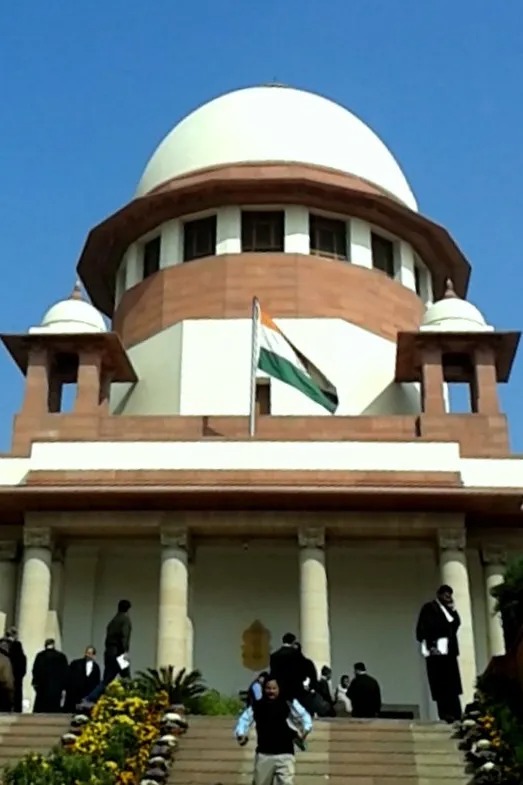
Supreme Court Allows High Courts to Hear Consumer Appeals in States Without State Commissions
Court Invokes Article 142 to Ensure Justice in Smaller States with Low Case Pendency
Decision Strengthens Consumer Protection Framework Across India
By Legal Reporter
New Delhi: February 15, 2026:
In a significant move to strengthen consumer rights, the Supreme Court of India has ruled that High Courts can hear consumer appeals in states where State Consumer Disputes Redressal Commissions (SCDRCs) have not been constituted. The decision, delivered in February 2026, ensures that consumers in smaller states or union territories are not denied justice due to administrative gaps. By invoking its extraordinary powers under Article 142 of the Constitution, the apex court has filled a crucial void in the consumer protection system.
Also Read: Supreme Court: Absconding Accused Cannot Seek Anticipatory Bail Based on Co-Accused’s Acquittal
Background of the Case
- The Consumer Protection Act, 2019 establishes a three-tier system:
- District Commissions for local disputes.
- State Commissions (SCDRCs) for appeals and higher-value claims.
- National Commission (NCDRC) for nationwide appeals.
- Several smaller states and union territories have not set up SCDRCs, citing low pendency of cases and administrative challenges.
- This left consumers with limited recourse, forcing them to approach the NCDRC directly, which increased delays.
- The Supreme Court, led by Chief Justice Surya Kant and Justice Joymalya Bagchi, stepped in through a suo motu case to address the issue.
Court’s Observations
The Supreme Court emphasized:
- Article 142 Powers: The Court can pass orders to ensure “complete justice” in pending matters.
- High Courts as Interim Forums: Until SCDRCs are constituted, High Courts will hear consumer appeals.
- Access to Justice: Consumers should not suffer due to administrative delays in setting up commissions.
- Future Directions: The Court asked the Solicitor General to assist in framing guidelines for smoother functioning.
Why This Case Matters
- Consumer Rights Strengthened: Ensures that consumers in smaller states are not left without appellate remedies.
- Judicial Innovation: Demonstrates how Article 142 can be used to bridge administrative gaps.
- Reduced Delays: High Courts can now step in to prevent backlog at the national level.
- Policy Implications: May push states to eventually set up their own commissions once case volumes rise.
Broader Legal Context
India’s consumer protection framework has evolved significantly:
Also Read: Madras High Court Slams Private Firm for Profiting by Sub-Leasing Public Land Leased at ₹1
- The Consumer Protection Act, 1986 first introduced quasi-judicial bodies for consumer disputes.
- The 2019 Act modernized the system, introducing e-filing and stricter penalties for unfair trade practices.
- However, uneven implementation across states has created gaps.
- This ruling ensures uniform access to justice nationwide, even in states with low case volumes.
Expert Opinions
- Consumer Advocates: Welcomed the ruling, saying it prevents denial of justice due to administrative lapses.
- Legal Scholars: Noted that the use of Article 142 reflects judicial creativity in protecting rights.
- Critics: Warned that High Courts may face additional workload, potentially slowing down other cases.
[Recommended Legal Resource]
For readers interested in understanding the complexities of Indian law, including succession, probate, and Supreme Court precedents, the book Will Writing Simplified [Law, Procedure and Drafting of Wills, Codicils, Revocation, Probate, Letters of Administration and Succession Certificates with Supreme Court Case Law] is highly recommended. It provides practical guidance on drafting and interpreting legal documents.
Also Read: Chhattisgarh High Court Rules WhatsApp Chats and Call Recordings Admissible in Matrimonial Disputes
Conclusion
The Supreme Court’s ruling allowing High Courts to hear consumer appeals in states without SCDRCs is a landmark in consumer jurisprudence. By invoking Article 142, the Court has ensured that justice is not denied due to administrative shortcomings. This decision strengthens India’s consumer protection framework and sets a precedent for judicial innovation in safeguarding rights.
Suggested Keywords for SEO & Faster Searches
- Supreme Court consumer appeals High Courts ruling 2026
- Article 142 Supreme Court consumer protection India
- State Consumer Commission not formed Supreme Court case
- Consumer Protection Act 2019 Supreme Court judgment
- High Courts jurisdiction consumer disputes India
- NCDRC consumer appeals Supreme Court ruling
- Access to justice consumer rights India
- Supreme Court suo motu consumer case 2026
- Consumer commissions India legal framework
- Will Writing Simplified book legal resource
Also Read: Gujarat High Court Summons Man Over Hasty Remarriage After Divorce