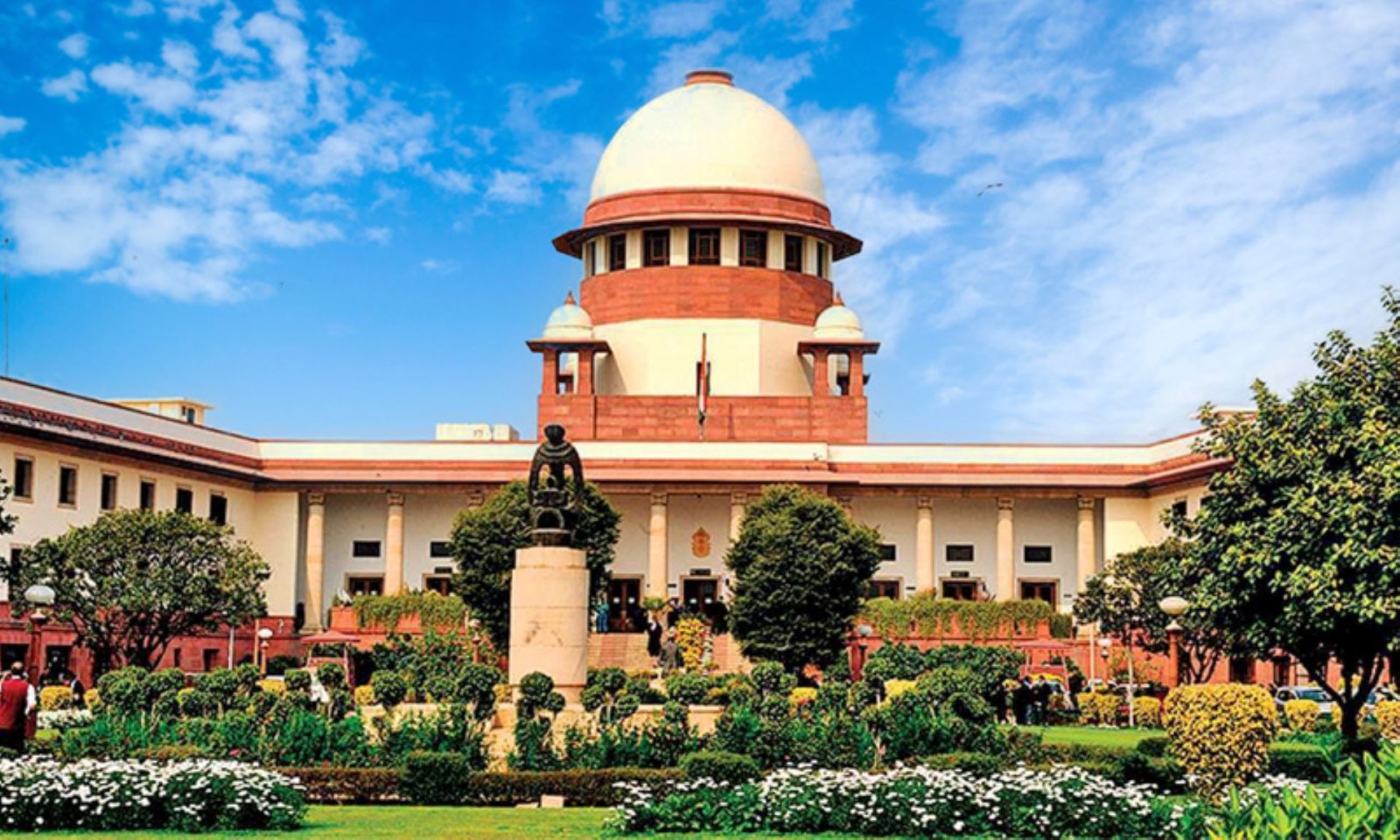
Supreme Court: Insurer Not Liable for Employer’s Penalty in Delayed Compensation Cases
Court Clarifies Distinction Between Compensation, Interest, and Penalty
Employer Must Bear Penalty for Own Default
By Legal Reporter
New Delhi: February 25, 2026:
In a landmark judgment, the Supreme Court of India has ruled that insurance companies cannot be held liable to pay penalties imposed on employers for delayed compensation under the Employees’ Compensation Act, 1923. The Court clarified that while insurers are bound to indemnify compensation and interest payable to employees or their families, the penalty component is a direct consequence of the employer’s personal fault and must be borne by the employer alone.
Also Read: Allahabad High Court: ‘No Conversion, No Crime’ – Police Protection Granted to 12 Interfaith Couples
The ruling came on February 23, 2026, from a Bench comprising Justice Aravind Kumar and Justice Prasanna B. Varale, which set aside a Delhi High Court order that had wrongly fastened penalty liability on New India Assurance Co. Ltd.
Case Background
- Incident: The case arose from the death of a commercial driver who collapsed while driving his employer’s vehicle.
- Compensation Awarded: The employer was directed to pay compensation to the driver’s family under the Employees’ Compensation Act.
- Penalty Dispute: A 35% penalty amounting to ₹2.57 lakh was imposed for delayed payment.
- Delhi HC Order: The High Court had directed the insurer to bear the penalty along with compensation and interest.
- Supreme Court Ruling: The apex court overturned this, holding that penalty liability rests solely with the employer.
[Recommended Legal Resource]
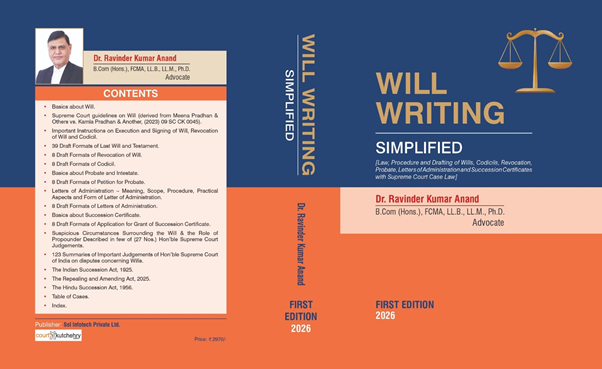
Legal professionals, families and students alike will benefit from Will Writing Simplified, which covers procedure and case law in detail. Amazon. 📘 Buy Will Writing Simplified online: 🔹 Flipkart.
Court’s Observations
Also Read: The Great Biryani Audit: How Hyderabad’s Restaurant Raids Exposed a ₹70,000 Crore Tax Scam
- Clear Distinction: Compensation and interest are indemnifiable by insurers, but penalty is punitive and arises from the employer’s misconduct.
- Employer’s Fault: Delay in payment is attributable to the employer’s negligence, not the insurer.
- Section 4A(3)(b): The penalty provision under the Employees’ Compensation Act is designed to deter employers from delaying rightful payments.
- Judicial Discipline: Courts must avoid extending insurer liability beyond statutory limits.
Why This Ruling Matters
- For Employers: Reinforces accountability—penalties for delay cannot be shifted to insurers.
- For Insurers: Provides clarity on the scope of liability, reducing unfair financial burdens.
- For Employees: Ensures timely compensation by pressuring employers to comply with statutory timelines.
- For Legal System: Establishes a clear precedent distinguishing compensation, interest, and penalty under the Act.
Broader Implications
- Insurance Sector: The ruling protects insurers from being saddled with punitive liabilities not envisaged under law.
- Labour Rights: Strengthens deterrence against employers delaying compensation.
- Judicial Clarity: Reduces litigation over insurer liability in compensation cases.
Also Read: Orissa High Court Quashes Order Allowing 50 Police Officers to File Property Declarations Late
Expert Reactions
Legal experts hailed the judgment as a decisive clarification. Labour law practitioners noted that the ruling will streamline compensation disputes, while insurance lawyers emphasized that it restores balance between employer responsibility and insurer indemnity.
Conclusion
The Supreme Court’s ruling that insurers are not liable for penalties imposed on employers for delayed compensation under the Employees’ Compensation Act is a landmark clarification. By drawing a firm line between compensation, interest, and penalty, the Court has reinforced employer accountability, safeguarded insurer interests, and ensured timely justice for employees.
Also Read: BCI Issues Detailed Guidelines for AIBE XXI: Rules Every Candidate Must Know
Suggested Keywords for SEO & Faster Searches
- Supreme Court Employees’ Compensation Act ruling
- Insurer liability penalty employer delayed payment
- Section 4A(3)(b) Employees’ Compensation Act India
- Employer responsibility delayed compensation India
- Insurance company liability compensation vs penalty
- Labour law Supreme Court judgment 2026
- Employee compensation penalty employer fault India
- Will Writing Simplified book
Also Read: India–France Tax Treaty Amended: Lower Dividend Tax to Boost Trade and Investment