
COURTKUTCHERY SPECIAL ON SC REPEATED WARNING AGAINST MISUSE OF RAPE CASES IN PERSONAL AFFAIRS
Supreme Court Rules: Married Woman Cannot Claim Rape on False Promise of Marriage
Court Says Consensual Relationships Cannot Be Criminalized
Landmark Ruling Highlights Misuse of Rape Laws
By Legal Reporter
New Delhi: February 09, 2026:
In a significant ruling, the Supreme Court of India has clarified that a married woman cannot file a rape case against a man on the grounds of a false promise of marriage. The judgment, delivered by a bench of Justices B.V. Nagarathna and Ujjal Bhuyan, has drawn attention to the growing misuse of rape laws in cases where consensual relationships turn bitter. The apex court emphasized that criminal law should not be invoked to settle personal disputes, especially when both parties are consenting adults.
Also Read: Supreme Court: States Cannot Add Extra Qualifications Beyond Union Law for Public Posts
Background of the Case
The case originated in Chhattisgarh, where a married woman, also a practicing lawyer, accused her colleague of rape on the grounds that he had promised to marry her. The woman filed an FIR in February 2025, alleging that the man had exploited her trust. The Chhattisgarh High Court refused to quash the proceedings, prompting the accused to approach the Supreme Court.
The apex court, after reviewing the facts, concluded that the woman was already married and therefore not legally eligible to marry another man. As such, the promise of marriage had no legal standing. The court described the case as “a classic example of a consensual relationship turning acrimonious.”
Key Observations by the Supreme Court
- Consent and Marriage Promise: The court noted that consent obtained on the basis of a false promise of marriage can amount to rape only if the promise was made with dishonest intent from the very beginning.
- Married Status Matters: Since the complainant was already married, she could not legally enter into another marriage. Therefore, the alleged promise was void.
- Misuse of Rape Laws: The judges expressed concern over the misuse of rape provisions, cautioning that criminal law should not be used to settle personal scores.
- Burden on Judiciary: The court highlighted that frivolous cases add to the already heavy burden on the judiciary and dilute the seriousness of genuine rape cases.
Wider Legal Implications
This ruling sets a precedent for future cases involving allegations of rape based on false promises of marriage. It underscores the importance of distinguishing between genuine cases of sexual exploitation and disputes arising from consensual relationships.
Legal experts believe the judgment will help reduce misuse of rape laws, but they also warn that courts must remain vigilant to ensure that genuine victims of sexual assault are not denied justice.
Public Reaction
The ruling has sparked mixed reactions. Some legal scholars and activists argue that the judgment is necessary to prevent misuse of rape laws, while others fear it may discourage women from coming forward in genuine cases of exploitation.
Women’s rights groups have called for clearer guidelines to ensure that the ruling does not inadvertently weaken protections for victims of sexual assault.
[Importance of Legal Awareness]
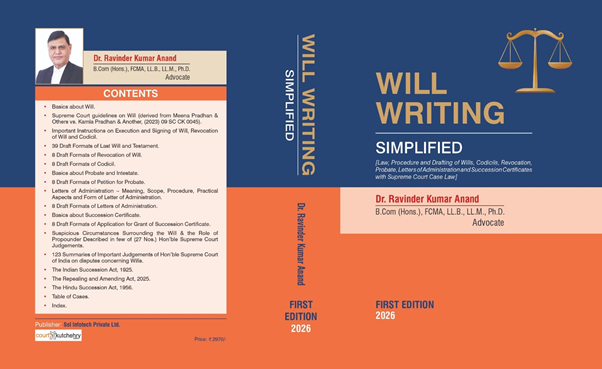
For individuals seeking clarity on legal matters, resources such as Will Writing Simplified [Law, Procedure and Drafting of Wills, Codicils, Revocation, Probate, Letters of Administration and Succession Certificates with Supreme Court Case Law] provide valuable insights into Indian law and Supreme Court precedents. The book is available on Amazon and Flipkart.
Also Read: Supreme Court Reiterates: Section 91 CrPC Cannot Be Invoked Before Defence Stage
Conclusion
The Supreme Court’s ruling is a reminder that criminal law must be applied with caution and fairness. While protecting women from exploitation remains a priority, the judiciary has made it clear that consensual relationships cannot be retroactively criminalized.
This judgment is expected to influence future cases and shape the interpretation of rape laws in India. It also calls for greater awareness among citizens about their legal rights and responsibilities, ensuring that justice is served without misuse of the law.
Also Read: Delhi High Court: Ex-Directors Cannot Claim Surplus Funds Before Liabilities Are Cleared
Suggested Keywords for SEO & Faster Searches
- Supreme Court ruling false promise of marriage
- Married woman rape case India judgment
- BV Nagarathna Ujjal Bhuyan Supreme Court decision
- Misuse of rape laws India
- Consensual relationship legal ruling India
- False promise of marriage Supreme Court case
- Indian rape law Supreme Court precedent
- Legal awareness India Supreme Court judgment
Also Read: NRI Remittances to Parents in India: Tax Rules, FEMA Compliance and How to Avoid Notices