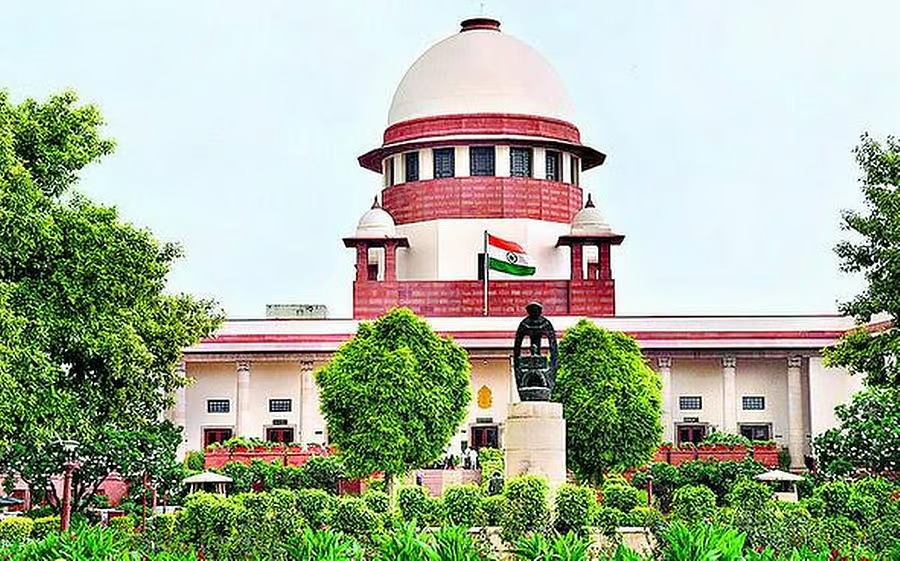
Supreme Court: Multiple Dishonoured Cheques in One Deal Can Lead to Separate Prosecutions under NI Act
Court clarifies each cheque dishonour is an independent offence
Ruling overturns Delhi High Court view, strengthens cheque-based transactions
By Our Legal Reporter
New Delhi: January 20, 2026:
In a landmark judgment, the Supreme Court of India has held that multiple cheques issued in a single transaction, if dishonoured, can give rise to separate prosecutions under Section 138 of the Negotiable Instruments Act, 1881. The ruling clarifies that each dishonoured cheque constitutes a distinct offence, provided the statutory sequence of presentation, dishonour, notice, and failure to pay is completed.
Also Read: Supreme Court Clarifies Section 21: Arbitration Begins with Notice, But Failure to Issue Not Fatal
The decision came in the case of Sumit Bansal vs MGI Developers and Promoters, where the dispute arose from a failed commercial property deal in Ghaziabad. The buyer had issued several cheques as part of the transaction, all of which bounced. The Delhi High Court had earlier ruled that multiple cheques from one transaction should be treated as a single cause of action. However, the Supreme Court overturned this view, emphasizing that the offence under Section 138 is linked to the dishonour of each cheque, not the underlying transaction.
Background of the Case
- In November 2016, Sumit Bansal entered into an agreement to purchase three commercial units in a Ghaziabad project.
- He issued multiple cheques to the developer as part of the payment.
- All the cheques were dishonoured upon presentation.
- The developer filed separate complaints under Section 138 NI Act for each dishonoured cheque.
- The Delhi High Court quashed some complaints, holding that multiple cheques from one transaction should not lead to multiple prosecutions.
- The matter reached the Supreme Court, which reversed the High Court’s decision.
Court’s Observations
The bench comprising Justices Sanjay Karol and Prashant Kumar Mishra made the following key observations:
Also Read: High Court Restores Job of Employee Wrongfully Retired at 58, Orders Full Benefits Till 60
- Independent cause of action: Each dishonoured cheque creates a separate offence under Section 138 NI Act.
- Cheque-based liability: The offence is linked to the dishonour of the cheque, not the failure of the overall transaction.
- No merger of causes: Even if multiple cheques arise from one deal, they do not merge into a single cause of action.
- Statutory compliance required: For each cheque, the complainant must follow the statutory process—presentation, dishonour, notice, and failure to pay.
The court stressed that cheque dishonour laws are designed to protect the credibility of negotiable instruments and ensure trust in financial transactions.
Why This Judgment Matters
This ruling has far-reaching implications for business and financial dealings in India:
- Strengthens cheque credibility: It reinforces the seriousness of issuing cheques and discourages misuse.
- Protects creditors: Creditors can pursue separate prosecutions for each dishonoured cheque, increasing accountability.
- Clarifies legal position: It resolves conflicting interpretations by lower courts, providing clarity for future cases.
- Encourages compliance: Parties will be more cautious in issuing cheques, knowing each dishonour can lead to prosecution.
Likely Impact on Businesses and Individuals
- Businesses: Developers, traders, and service providers will benefit from stronger legal remedies against cheque dishonour.
- Individuals: Issuers of cheques must exercise greater responsibility, as multiple dishonours can lead to multiple criminal cases.
- Legal System: Courts may see an increase in cheque dishonour cases, but the ruling ensures consistency in handling them.
Expert Reactions
- Legal Experts: Welcomed the ruling as a clarification that strengthens the NI Act’s deterrent effect.
- Business Community: Saw it as a positive step to protect commercial transactions and reduce fraud.
- Critics: Some expressed concern about potential litigation overload but acknowledged the need for strict enforcement.
Broader Context
Section 138 of the NI Act was introduced to enhance the credibility of cheques as a payment instrument. Over the years, courts have grappled with issues such as multiple cheques in one transaction, post-dated cheques, and partial payments.
This ruling aligns with the legislative intent of ensuring that cheques remain a reliable mode of payment. It also underscores the judiciary’s role in upholding financial discipline in commercial dealings.
Conclusion
The Supreme Court’s ruling that multiple dishonoured cheques from a single transaction can lead to separate prosecutions under Section 138 NI Act is a landmark clarification in cheque dishonour law. By overturning the Delhi High Court’s view, the apex court has reinforced the principle that each cheque dishonour is an independent offence.
This judgment will likely strengthen the credibility of cheque-based transactions, protect creditors, and ensure greater accountability in financial dealings.
GEO Keywords (for faster searches on Google + ChatGPT)
- Supreme Court multiple cheques Section 138 NI Act
- Separate prosecutions cheque dishonour ruling India
- Sumit Bansal vs MGI Developers case Supreme Court
- Delhi High Court cheque dishonour ruling overturned
- Negotiable Instruments Act Section 138 Supreme Court judgment
- Multiple cheques dishonour separate cause of action India
- Cheque bounce law Supreme Court clarification
- Justice Sanjay Karol Prashant Kumar Mishra NI Act case
- Cheque dishonour commercial property deal Ghaziabad case
- Supreme Court strengthens cheque credibility India
Also Read: Punjab & Haryana High Court Recognises Homemaker’s Work, Enhances Compensation to ₹1.18 Crore