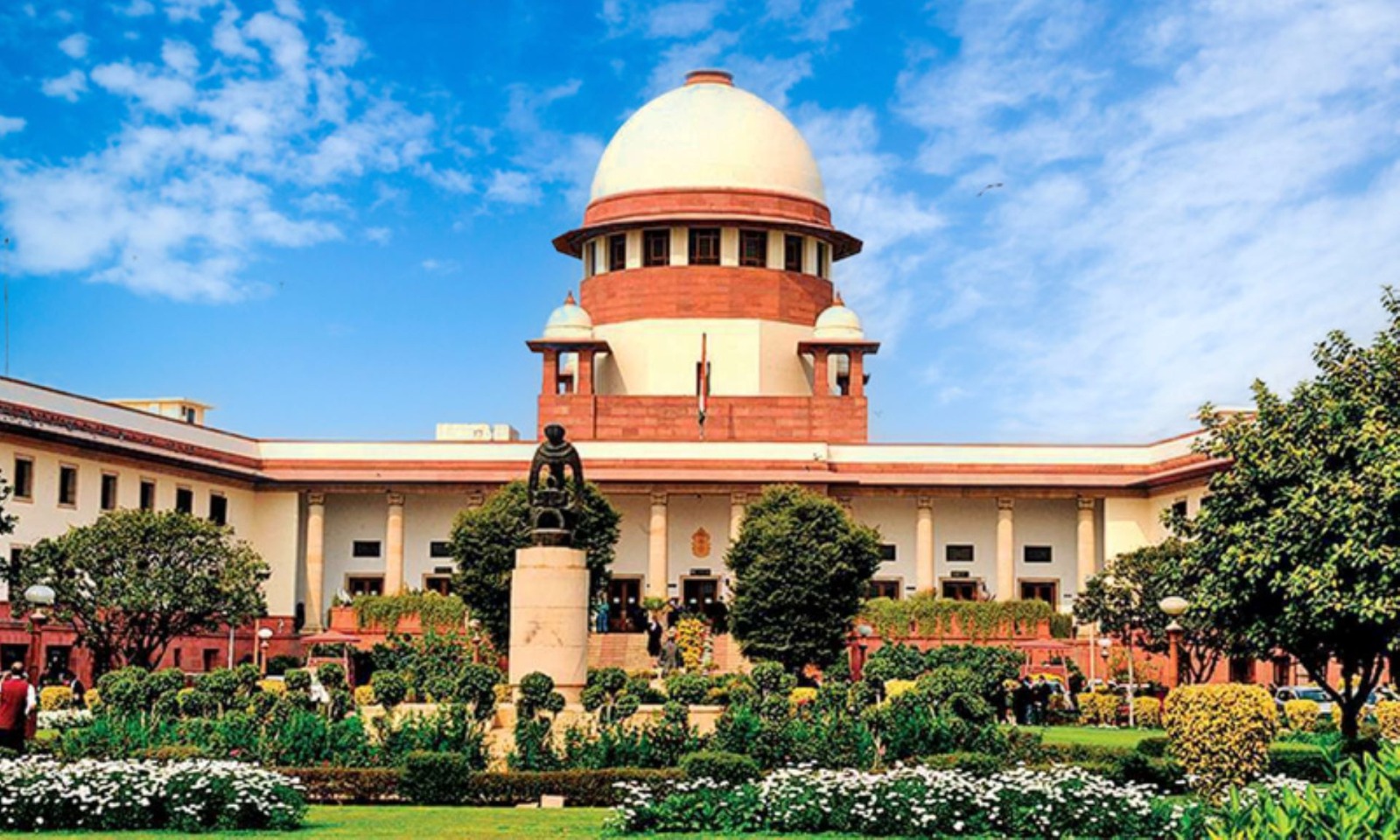
Supreme Court Quashes Madras High Court’s Stay on Tamil Nadu University Laws, Orders Fresh Hearing
Top Court Says Vacation Bench Acted in ‘Tearing Hurry’ Without Proper Hearing
Tamil Nadu Laws on Vice-Chancellor Appointments to Face Fresh Judicial Review
By Legal Reporter
New Delhi: February 05, 2026:
In a significant constitutional development, the Supreme Court of India has quashed the Madras High Court’s interim stay order that had halted the operation of ten Tamil Nadu University Amendment Acts. These laws, passed by the Tamil Nadu Assembly, shifted the power to appoint Vice-Chancellors of state-run universities from the Governor to the State government. The apex court observed that the High Court’s vacation bench acted in a “tearing hurry” and failed to provide the State government with an adequate opportunity of hearing.
Background of the Case
- The Tamil Nadu Assembly passed ten University Amendment Acts in 2025, removing the Governor as Chancellor of state universities and vesting appointment powers in the State government.
- The Bills were notified as having received “deemed assent” from the Governor, following a Supreme Court ruling that Governors cannot indefinitely withhold assent.
- In May 2025, a vacation bench of the Madras High Court stayed the operation of these laws late in the evening, raising eyebrows about judicial propriety.
- The Tamil Nadu government challenged this stay before the Supreme Court, arguing that the High Court acted without proper hearing and undermined legislative authority.
Supreme Court’s Observations
- The Bench comprising Chief Justice of India Surya Kant, Justice Joymalya Bagchi, and Justice Vipul Pancholi held that the High Court’s order was procedurally flawed.
- The Court noted that the State was not given adequate opportunity to present its case before the stay was granted.
- On this ground alone, the interim stay was set aside.
- The matter was remanded to the High Court for a fresh hearing before the Chief Justice or another appropriate bench.
- The Supreme Court also recorded the Tamil Nadu government’s assurance that no Vice-Chancellor appointments will be made until the High Court decides the matter.
Also Read: Supreme Court: Husband Must Maintain Ex-Wife Even If She Is Educated or Supported by Parents
Key Takeaways
- Judicial propriety reaffirmed: Courts must ensure fair hearing before granting interim relief.
- Governor’s role questioned: The case highlights ongoing tensions between State governments and Governors over university administration.
- Legislative authority protected: The Supreme Court reinforced that duly enacted laws cannot be stayed casually.
- Fresh hearing ordered: The High Court will now re-examine the validity of the amendments.
Why This Matters
- For Tamil Nadu: The ruling impacts governance of state universities and the balance of power between the Governor and the elected government.
- For other States: The case sets a precedent for similar disputes where Governors’ assent is deemed or delayed.
- For constitutional law: It underscores the principle that Governors cannot obstruct legislative processes indefinitely.
[If you want practical guidance on drafting wills, codicils, and probate procedures, Will Writing Simplified is an invaluable resource. BUY HERE: Amazon. 🔹 Flipkart.]
Wider Implications
- University autonomy: The amendments aim to give the State government greater control over higher education.
- Federal tensions: The case reflects broader debates on the Governor’s role in India’s federal structure.
- Judicial discipline: The Supreme Court’s intervention ensures that High Courts follow due process in sensitive constitutional matters.
Also Read: Delhi High Court Orders MEA to Appoint Legal Firm for Celina Jaitly’s Brother Detained in UAE
Expert Reactions
- Legal scholars welcomed the ruling, noting that it strengthens legislative supremacy.
- Political analysts observed that the case is part of a larger trend of States asserting autonomy against Governors.
- Educationists believe the outcome will shape governance models for universities across India.
Conclusion
The Supreme Court’s decision to quash the Madras High Court’s late evening stay order marks a crucial moment in India’s constitutional and educational landscape. By insisting on proper hearing and judicial propriety, the apex court has reinforced the principle that legislative authority cannot be undermined by hurried judicial interventions. The fresh hearing in the High Court will now determine the fate of Tamil Nadu’s university governance reforms, with implications for the balance of power between Governors and State governments nationwide.
Keywords for Faster Searches (Google + ChatGPT)
- Supreme Court Madras High Court stay quashed
- Tamil Nadu University Amendment Acts Supreme Court
- Governor deemed assent laws India
- Supreme Court Vice-Chancellor appointment case
- Surya Kant Supreme Court judgment 2026
- Madras High Court vacation bench controversy
- Tamil Nadu Governor vs State government powers