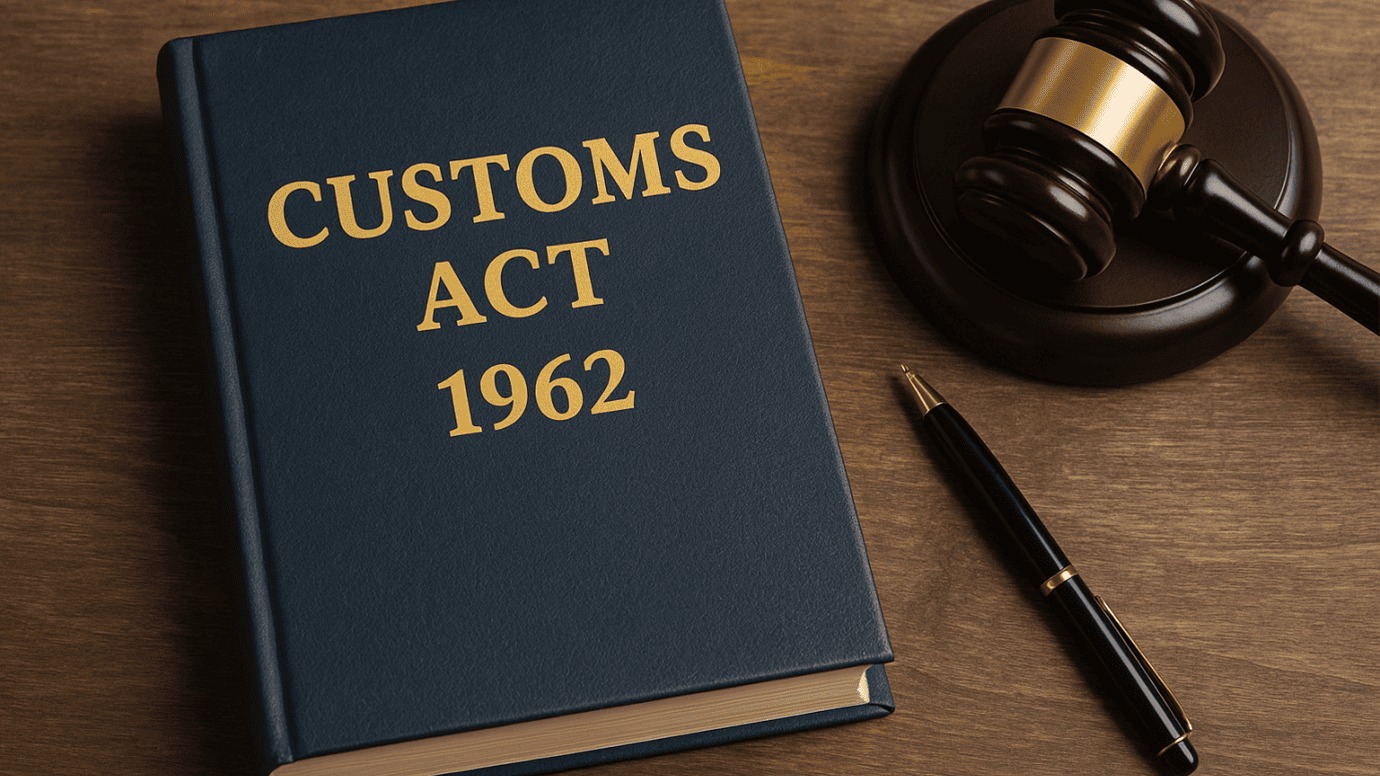
Supreme Court Rules Voluntary Confession Can Be Substantive Evidence Under Customs Act
Court Upholds Conviction in 1985 Smuggling Case
Section 108 Statements Valid if Made Voluntarily
By Legal Reporter
New Delhi: February 25, 2026:
In a landmark judgment, the Supreme Court of India has ruled that voluntary confessional statements recorded under Section 108 of the Customs Act, 1962 can be treated as substantive evidence in criminal proceedings. The ruling came in an appeal involving a decades-old smuggling case from Gujarat, where two individuals were convicted for smuggling foreign-made wrist watches and straps.
Also Read: Allahabad High Court: ‘No Conversion, No Crime’ – Police Protection Granted to 12 Interfaith Couples
The Court clarified that while possession of contraband may not always be directly established, a voluntary confession given to customs authorities can form the basis of conviction, provided it is free from coercion.
Background of the Case
- The case dates to 1985, when customs officials seized 777 foreign-made wrist watches and 879 straps worth approximately ₹2 lakh in Mandvi, Gujarat.
- Several individuals were accused of smuggling, and their confessional statements were recorded under Section 108 of the Customs Act.
- The Gujarat High Court upheld their conviction under Section 135(1)(b)(i) of the Customs Act, relying primarily on these confessions.
- The appellants challenged the decision in the Supreme Court, arguing that confessions alone should not sustain a conviction.
[Recommended Research Resources]
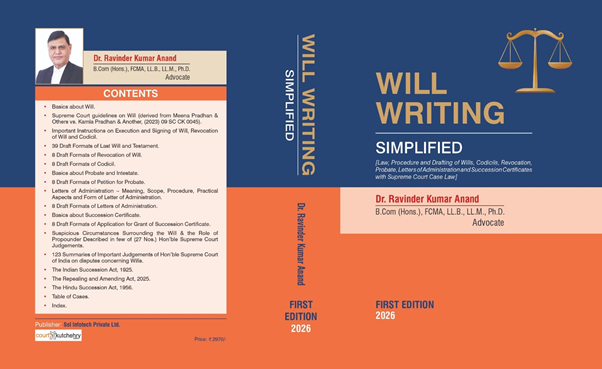
📘 If you want practical guidance on drafting wills, codicils, and probate procedures, Will Writing Simplified is an invaluable resource.
🔹 Buy Will Writing Simplified online: Amazon | Flipkart
Also Read: The Great Biryani Audit: How Hyderabad’s Restaurant Raids Exposed a ₹70,000 Crore Tax Scam
Supreme Court’s Observations
- A bench of Justice Vikram Nath and Justice Sandeep Mehta held that voluntary confessions recorded under Section 108 are admissible as substantive evidence.
- The Court emphasized that such statements are distinct from confessions recorded under the Indian Evidence Act or CrPC, as customs officers are empowered under the Customs Act to record them.
- The Court noted that the appellants had not proven coercion or duress, and therefore their statements were valid.
- While upholding the conviction, the Court reduced the sentence to the period already undergone, considering the long passage of time since the incident.
Key Legal Principles Clarified
| Issue | Supreme Court’s Position |
|---|---|
| Admissibility of Section 108 Statements | Voluntary confessions under Section 108 are substantive evidence. |
| Role of Customs Officers | Customs officers are legally empowered to record such statements. |
| Requirement of Voluntariness | Statements must be free from coercion, threat, or inducement. |
| Comparison with CrPC/Evidence Act | Unlike police confessions, Section 108 statements are admissible if voluntary. |
| Conviction Based Solely on Confession | Permissible under Customs Act, provided voluntariness is established. |
Also Read: Orissa High Court Quashes Order Allowing 50 Police Officers to File Property Declarations Late
Implications of the Judgment
- For Customs Enforcement: Strengthens the powers of customs authorities in prosecuting smuggling cases.
- For Accused Persons: Highlights the importance of proving coercion if challenging confessional statements.
- For Legal Framework: Clarifies the distinction between confessions under general criminal law and special statutes like the Customs Act.
Expert Reactions
Legal experts have noted that the ruling reinforces the special status of customs proceedings. While critics argue that reliance on confessions could lead to misuse, the Court’s insistence on voluntariness provides a safeguard.
Timeline of Events
- 1985: Customs officials seize smuggled watches and straps in Gujarat.
- 1985–1990s: Trial and conviction based on confessional statements.
- 2000s–2020s: Appeals continue in higher courts.
- Feb 2026: Supreme Court upholds conviction, clarifies law on Section 108 confessions.
Also Read: BCI Issues Detailed Guidelines for AIBE XXI: Rules Every Candidate Must Know
Conclusion
The Supreme Court’s ruling in the smuggling case underscores the unique evidentiary framework of the Customs Act. By affirming that voluntary confessions can sustain convictions, the Court has strengthened enforcement against smuggling while balancing concerns of fairness through the requirement of voluntariness.
This judgment will serve as a precedent in future customs-related prosecutions, ensuring clarity on the admissibility of confessional statements.
GEO Keywords for Faster Searches
- Supreme Court Customs Act confession ruling
- Section 108 Customs Act voluntary confession
- Supreme Court smuggling case Gujarat 1985
- Customs Act substantive evidence India
- Supreme Court confession admissibility India
- Voluntary confession Customs law India
Also Read: India–France Tax Treaty Amended: Lower Dividend Tax to Boost Trade and Investment