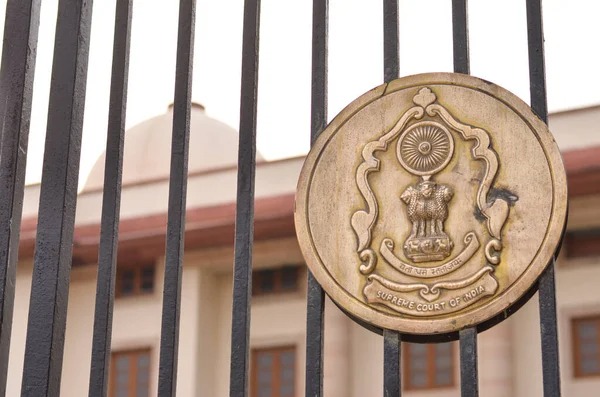
Supreme Court: Section 202 CrPC Inquiry Not Mandatory for Complaints Filed by Public Servants
Bench reinstates trials under Drugs and Cosmetics Act, clarifies scope of Section 202 CrPC.
Public servants filing complaints in official capacity exempt from mandatory inquiry requirement.
By Legal Reporter
New Delhi: March 01, 2026:
In a landmark ruling, the Supreme Court of India has held that a Magistrate is not required to conduct a mandatory inquiry under Section 202(1) of the Code of Criminal Procedure (CrPC) when a complaint is filed by a public servant in the discharge of official duties. The decision reinstates criminal trials under the Drugs and Cosmetics Act, 1940, which had earlier been quashed by the Kerala High Court.
Also Read: Shine City Scam: Promoter Rashid Naseem Arrested in Dubai, ED Steps Up Asset Confiscation Drive
The judgment, delivered on February 26, 2026, by a Division Bench of Justice Ahsanuddin Amanullah and Justice S.V.N. Bhatti, clarifies the procedural requirements for complaints filed by government officials and strengthens enforcement of drug safety laws.
Background of the Case
- The case arose from complaints filed by Drugs Inspectors in Kerala against pharmaceutical companies, including M/s Panacea Biotec Ltd., for alleged violations under the Drugs and Cosmetics Act.
- The Kerala High Court had quashed proceedings, ruling that the Magistrate failed to comply with Section 202 CrPC, which requires an inquiry when the accused resides outside the court’s jurisdiction.
- The State of Kerala and Drugs Inspectors appealed to the Supreme Court.
[Resource Note]
If you want practical guidance on drafting wills, codicils, and probate procedures, Will Writing Simplified is an invaluable resource. BUY TODAY: Amazon 🔹 Flipkart
Supreme Court’s Observations
- Section 202 CrPC: Normally requires a Magistrate to conduct an inquiry before issuing process against an accused residing outside jurisdiction.
- Public Servant Exception: The Court clarified that when a complaint is filed by a public servant in official capacity, strict compliance with Section 202 is not mandatory.
- Reasoning: Public servants act under statutory authority, and their complaints carry inherent credibility, reducing the need for preliminary inquiry.
- Outcome: The Court set aside Kerala High Court’s orders and reinstated criminal trials against pharmaceutical companies.
Legal Significance
- Strengthens Enforcement: Ensures that complaints under the Drugs and Cosmetics Act can proceed without procedural delays.
- Clarifies Law: Establishes that Section 202 CrPC does not apply rigidly to complaints filed by public servants.
- Precedent: Provides guidance for future cases involving regulatory authorities such as drug inspectors, food safety officers, and other statutory officials.
Impact of the Judgment
Also Read: Including Property in Your Will: How to Prevent Family Disputes and Legal Battles in India
- For Public Servants: Empowers officials to file complaints without fear of dismissal on technical grounds.
- For Pharmaceutical Companies: Reinforces accountability and compliance with drug safety regulations.
- For Judiciary: Reduces procedural hurdles, allowing faster initiation of trials in regulatory cases.
Expert Opinions
- Legal Scholars: Applaud the ruling for balancing procedural safeguards with effective enforcement.
- Regulatory Experts: Stress that the judgment will strengthen drug safety oversight in India.
- Critics: Warn that while the exemption is justified, courts must remain vigilant against misuse of authority by public servants.
Conclusion
The Supreme Court’s ruling that Section 202 CrPC inquiry is not mandatory for complaints filed by public servants marks a significant step in streamlining judicial processes. By reinstating trials under the Drugs and Cosmetics Act, the Court has reinforced the importance of regulatory enforcement and clarified the scope of procedural law. This judgment ensures that technicalities do not obstruct justice, particularly in cases involving public health and safety.
Keywords for Faster Searches
- Supreme Court Section 202 CrPC ruling
- Public servant complaints CrPC exemption
- Drugs and Cosmetics Act Supreme Court case
- Kerala High Court Panacea Biotec case
- Section 202 CrPC inquiry mandatory India
- Justice Ahsanuddin Amanullah SVN Bhatti ruling
- Supreme Court reinstates drug trials 2026