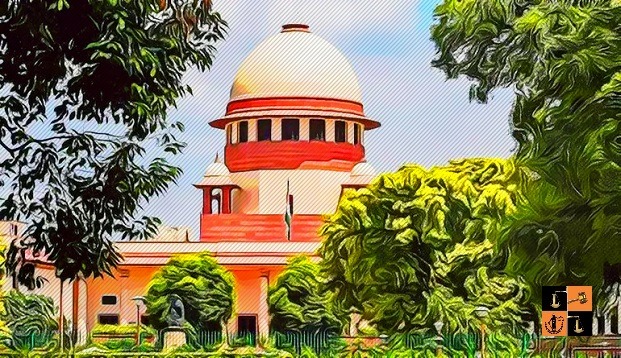
Supreme Court: States Cannot Withdraw Promised Incentives After Industries Invest, Upholds Investor Rights
Court Invokes Promissory Estoppel to Protect Industrial Investments
Ruling Restores Confidence in Government Commitments to Businesses
By Our Legal Reporter
New Delhi: January 10, 2026:
In a landmark judgment, the Supreme Court of India has held that state governments cannot back out of promised incentives once industries have invested money relying on those assurances. The ruling came in the case of IFGL Refractories Ltd. vs. Orissa State Financial Corporation, where the Odisha government had refused to disburse sanctioned subsidies under its 1989 Industrial Policy.
Also Read: ITAT Remands Section 69A Case: AO Faulted for Not Verifying Donors’ Creditworthiness
The Court, led by Justices J.B. Pardiwala and R. Mahadevan, emphasized that industrial incentive policies must be interpreted liberally and purposively, and governments cannot evade commitments through technicalities or retrospective amendments. The decision is expected to have far-reaching implications for India’s investment climate.
Background of the Case
- Odisha Industrial Policy, 1989 promised subsidies and incentives to new industries.
- IFGL Refractories Ltd., a company engaged in manufacturing refractory products, invested heavily based on these assurances.
- The state government later refused to release sanctioned subsidies, citing technical grounds.
- The Orissa High Court (2018) upheld the state’s refusal.
- IFGL appealed to the Supreme Court, which has now overturned the High Court’s decision.
Court’s Observations
The Supreme Court made several critical points:
- Promissory Estoppel: Once a clear and unequivocal promise is made, and industries act upon it, the government cannot withdraw benefits.
- Legitimate Expectation: Investors have the right to expect that government assurances will be honoured.
- Colonial Mindset Criticism: The Court criticized states for adopting a “colonial mindset” by retracting promises, saying such conduct erodes investor confidence.
- Policy Purpose: Industrial policies are meant to attract investment; withdrawing incentives defeats their purpose.
- Investor Protection: The Court directed Odisha to disburse the sanctioned subsidies to IFGL Refractories.
Legal Significance
- Strengthens Investor Confidence: Reinforces that government promises are binding once industries invest.
- Clarifies State Accountability: States cannot use technicalities or retrospective changes to deny benefits.
- Expands Doctrines: Promissory estoppel and legitimate expectation gain stronger judicial backing.
- Industrial Growth: Encourages industries to invest without fear of sudden policy reversals.
Impact of the Ruling
- For Industries: Provides legal assurance that investments made on government promises are protected.
- For States: Limits arbitrary withdrawal of incentives, ensuring accountability.
- For Economy: Boosts investor confidence, potentially attracting more domestic and foreign investment.
- For Law: Sets a precedent for future disputes involving industrial policies and incentives.
Timeline of Events
|
Year |
Event |
|
1989 |
Odisha announces Industrial Policy with subsidies |
|
1990s |
IFGL Refractories invests based on policy promises |
|
2018 |
Orissa High Court upholds state’s refusal to disburse subsidies |
|
Jan 2026 |
Supreme Court overturns decision, directs disbursement of subsidies |
Why This Matters
Also Read: Supreme Court Calls for ‘Romeo-Juliet Clause’ in POCSO Act to Protect Consensual Teen Relationships
- Investor Protection: Ensures industries are not penalized for trusting government policies.
- Economic Growth: Encourages new industries to set up operations in states offering incentives.
- Judicial Oversight: Demonstrates the Supreme Court’s role in safeguarding fairness in governance.
- Policy Stability: Reinforces the need for consistency in industrial policies.
Risks and Challenges
- State Finances: Governments may face financial strain in honouring old commitments.
- Policy Drafting: States must carefully design incentive schemes to avoid future disputes.
- Investor Scrutiny: Companies may demand stronger legal guarantees before investing.
- Balance with Public Interest: While incentives must be honoured, states may argue for flexibility in cases of overriding public interest.
Conclusion
The Supreme Court’s ruling that states cannot back out of promised incentives after industries invest is a historic affirmation of investor rights in India. By invoking promissory estoppel and legitimate expectation, the Court has reinforced the principle that government promises must be honoured to maintain trust and economic stability. The judgment not only benefits IFGL Refractories but also sets a strong precedent for protecting industries across the country.
Also Read: Bombay High Court Rules Karta Personally Liable if HUF Property Fails to Cover Arbitral Award
Suggested Keywords for Faster Searches
- Supreme Court industrial incentives ruling India
- Promissory estoppel Supreme Court judgment 2026
- Legitimate expectation industrial policy case
- IFGL Refractories vs Orissa case
- Odisha Industrial Policy subsidies Supreme Court
- States cannot withdraw promised incentives India
- Supreme Court investor confidence ruling
- Industrial incentives legal protection India
- Supreme Court colonial mindset criticism
- Business investment rights India judgment