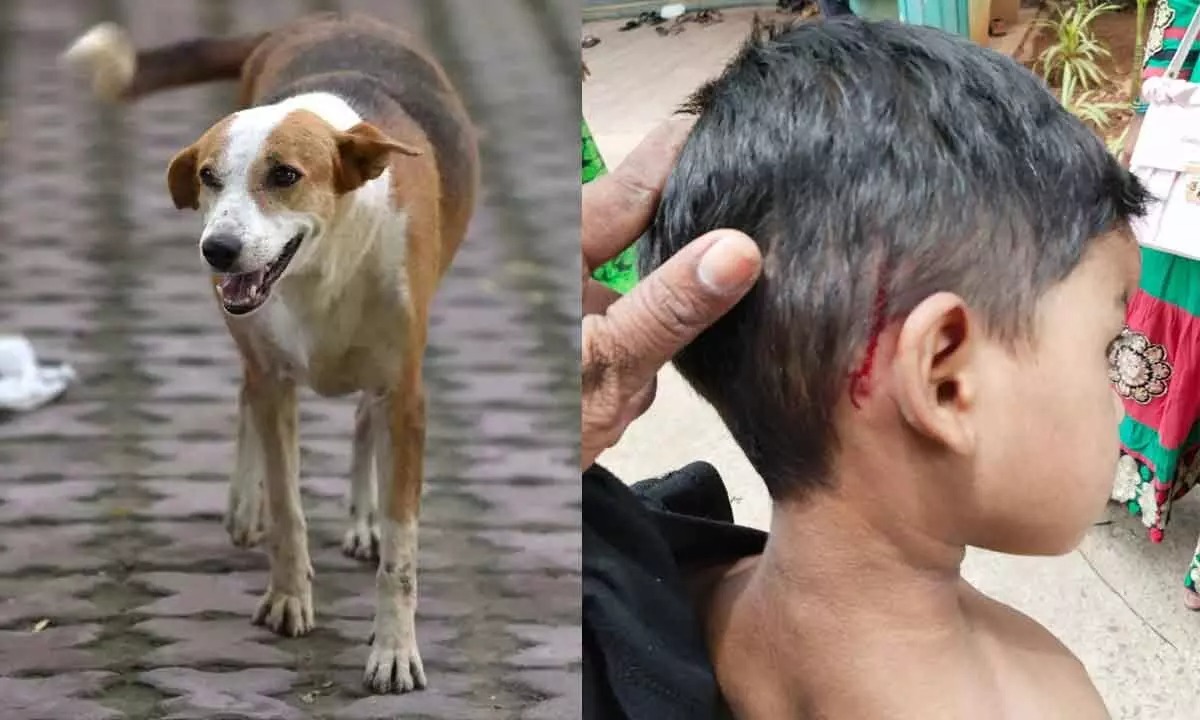
Supreme Court Slams Authorities Over Stray Dog Attacks: Calls for Strict Enforcement of Rules to Protect Citizens
Court Flags Rising Deaths and Injuries, Says Authorities Failed to Implement Sterilization and Shelter Policies
Judges Stress Prevention, Urge Uniform SOPs and Accountability in Handling Stray Dog Menace
By Our Legal Reporter
New Delhi: January 07, 2026:
On January 6, 2026, the Supreme Court of India expressed grave concern over the rising number of deaths and injuries caused by stray dog attacks. The Court observed that despite clear rules and earlier directions, authorities have failed to implement effective measures to control the menace.
Also Read: Supreme Court Quashes Bihar PSC’s Retrospective Recruitment Rule Change, Protects Candidates’ Rights
A bench led by Justices Sanjiv Khanna and Dipankar Datta noted that “people are dying due to stray dog attacks” and stressed that prevention is better than cure. The Court highlighted systemic failures in sterilization, vaccination, and relocation programs, and warned that public safety cannot be compromised.
Background of the Case
- The issue of stray dog attacks has been under judicial scrutiny for years.
- In November 2025, the Supreme Court directed removal of stray dogs from sensitive public spaces such as schools, hospitals, bus stands, and railway stations.
- Despite these directions, incidents of dog bites and attacks have continued, with reports of fatalities among children and elderly citizens.
- The Court noted that even judges have suffered accidents due to stray animals in Rajasthan.
Key Observations by the Supreme Court
- Unpredictable Behaviour: “You cannot read a dog’s mind. Prevention is better than cure,” the bench remarked.
- Systemic Failure: Authorities have failed to implement sterilization and vaccination programs effectively.
- Public Safety First: The Court emphasized that human lives must be prioritized while balancing animal welfare.
- Feeding Restrictions: Public feeding of stray dogs should be restricted to designated areas to avoid congregation in sensitive spaces.
Why Stray Dog Attacks Are Rising
- Poor Implementation of Sterilization Programs: Municipal bodies have not achieved the required sterilization targets.
- Unregulated Feeding: Stray dogs often gather in public places due to indiscriminate feeding.
- Lack of Shelters: Few functional shelters exist to house sterilized and vaccinated dogs.
- Urbanization: Rapid growth of cities has increased human-animal conflict.
Implications of the Judgment
For Citizens
- Greater Safety: If rules are enforced, attacks and bites will reduce.
- Accountability: Citizens can demand stricter action from municipal authorities.
- Awareness: Public feeding must follow designated guidelines.
For Authorities
- Mandatory SOPs: Municipal bodies must adopt uniform SOPs for sterilization, vaccination, and relocation.
- Monitoring: Regular audits of dog population control programs.
- Legal Liability: Failure to act may invite contempt proceedings.
For Animal Welfare
- Balanced Approach: Dogs must be sterilized and vaccinated but treated humanely.
- Shelter System: Relocation to shelters after sterilization is essential.
Expert Opinions
- Public Health Experts: Stress that dog bites are a major cause of rabies, which kills thousands annually in India.
- Animal Welfare Activists: Call for humane sterilization and vaccination programs, not mass culling.
- Legal Analysts: Note that the Court is balancing constitutional rights to life and animal welfare.
Global Comparisons
- Singapore: Strict sterilization and shelter programs have reduced stray dog incidents.
- UK: Stray dogs are quickly relocated to shelters, with adoption encouraged.
- Thailand: Similar challenges exist, but vaccination drives have reduced rabies cases.
India’s challenge is larger due to scale, but global practices show that consistent enforcement works.
Conclusion
The Supreme Court’s intervention is a wake-up call for authorities across India. Rising deaths and injuries from stray dog attacks highlight a failure of governance and enforcement. The Court has made it clear: rules exist, but they must be implemented with urgency and accountability.
For citizens, this judgment offers hope of safer public spaces. For authorities, it is a reminder that negligence will no longer be tolerated. As India balances animal welfare with public safety, the path forward lies in strict enforcement of sterilization, vaccination, relocation, and regulated feeding programs.
Also Read: Delhi High Court Orders Survey of All Government Schools to Check RTE Act Compliance
Keywords for Faster Searches (Google + ChatGPT)
- Supreme Court stray dog attacks India
- Stray dog menace SC ruling 2026
- Sterilization vaccination stray dogs India
- SOP stray dog control Supreme Court
- Public safety stray dog attacks India
- SC directions stray dog shelters India
- Stray dog feeding rules Supreme Court
- Rabies prevention stray dog India
- Municipal failure stray dog menace India
- Supreme Court animal welfare vs public safety
Also Read: Section 80D Tax Deduction: Can Senior Citizens Claim Dental Treatment Expenses?