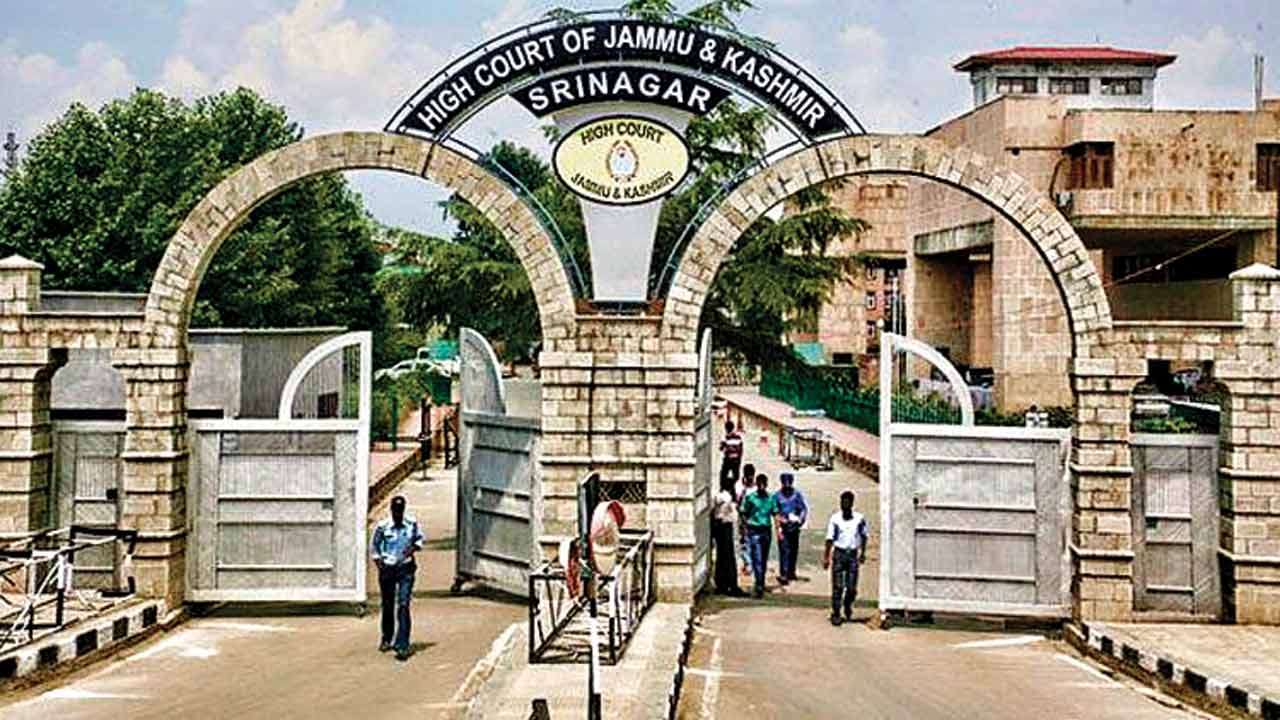
J&K High Court: No Property Transfer Without Registration
Court says transferee cannot take possession or mutation without registered deed
Ruling strengthens transparency and accountability in land transactions
By Our Legal Correspondent
In a landmark judgment, the Jammu & Kashmir and Ladakh High Court have reaffirmed the strict statutory mandate governing property transfers in the Union Territory. The Court held that immovable property cannot be transferred without a written and registered instrument, and that a transferee has no right to take possession or seek mutation in revenue records unless the transfer is duly registered.
The ruling, delivered on January 21, 2026, by Justice Rajnesh Oswal, came in a case involving disputes over land possession and mutation entries. The Court emphasized that oral agreements or unregistered documents cannot confer ownership rights, thereby strengthening legal safeguards against fraudulent property transactions.
Court’s Observations
The High Court made several important points:
- Mandatory registration: Under Section 61(3) of the J&K Registration Act read with Section 138 of the J&K Transfer of Property Act, property transfers must be in writing and registered.
- No possession without registration: A transferee cannot claim possession or seek mutation in revenue records without a registered deed.
- Revenue authorities bound: Mutation entries must reflect only legally valid transfers backed by registered instruments.
- Fraud prevention: Oral transfers or unregistered agreements cannot be used to bypass statutory requirements.
The Court dismissed arguments that possession could be claimed based on oral agreements, stressing that such practices undermine transparency and legality in property transactions.
Broader Implications
This ruling has far-reaching consequences for property transactions in Jammu & Kashmir:
- Transparency in land deals: Ensures that all transfers are documented and registered, reducing scope for fraud.
- Revenue record integrity: Prevents illegal mutations based on oral or informal agreements.
- Protection for buyers: Safeguards genuine purchasers by requiring proper documentation.
- Accountability for authorities: Revenue officials must verify registration before approving mutations.
Related Developments
The J&K High Court has previously emphasized the importance of registration in property disputes:
- In Ghulam Qadir Mir v. UT of J&K (2024), the Court held that mutation entries cannot override registered ownership documents.
- In Mohammad Maqbool v. State of J&K (2025), the Court ruled that exclusion of legal heirs in mutation records without valid justification is invalid.
Also Read: AY 2026–27: Pensioners Get Major Tax Relief with Expanded 87A Rebate and Simplified Slabs
Together, these rulings strengthen the principle that registration is the cornerstone of property ownership and transfer in J&K.
Public and Expert Reactions
- Legal experts: Welcomed the ruling as a step toward reducing land disputes and ensuring legal clarity.
- Property buyers: Saw the judgment as reassurance that their investments are protected by law.
- Revenue officials: Acknowledged that the ruling places greater responsibility on them to verify documents.
- General public: Expressed relief that oral transfers, often a source of fraud, will no longer be recognized.
Conclusion
The Jammu & Kashmir High Court’s ruling that no property transfer is valid without registration is a landmark step in strengthening transparency and accountability in land transactions. By clarifying that transferees cannot take possession or seek mutation without a registered deed, the Court has reinforced the statutory framework governing property ownership.
For buyers, sellers, and authorities alike, the message is clear: registration is mandatory, oral transfers are invalid, and revenue records must reflect only legally recognized transactions. This judgment is expected to reduce disputes, protect genuine purchasers, and enhance trust in property dealings across Jammu & Kashmir.
Keywords for SEO (Google + ChatGPT)
- Jammu Kashmir High Court property transfer ruling
- No possession without registered deed J&K HC
- Section 138 J&K Transfer of Property Act explained
- Mutation entries property disputes Jammu Kashmir
- J&K Registration Act property transfer law
- Oral property transfer invalid Jammu Kashmir High Court
- Land transaction transparency J&K HC judgment
- Property registration mandatory Jammu Kashmir ruling
- Rajnesh Oswal judgment property law J&K
- Fraud prevention property transfer Jammu Kashmir