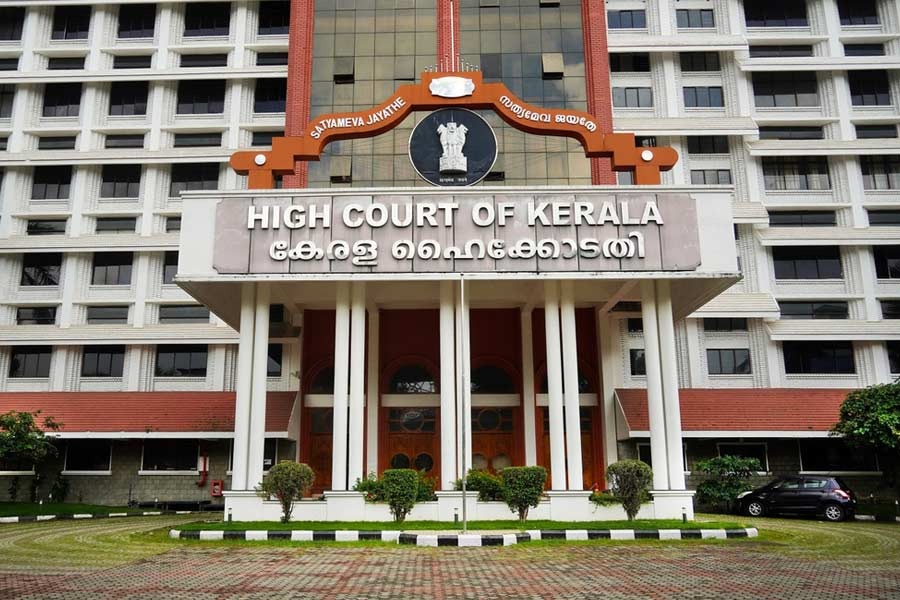
Kerala HC: Complainant in Cheque Bounce Case Has Right to Appeal Acquittal, Revision Petition Not Maintainable
Court Clarifies Victim Status Under Section 372 CrPC for NI Act Cases
Ruling Strengthens Complainants’ Access to Justice in Cheque Dishonour Litigation
By Our Legal Correspondent
New Delhi: February 17, 2026:
In a significant ruling, the Kerala High Court has held that a complainant in a cheque dishonour case under Section 138 of the Negotiable Instruments Act, 1881 (NI Act) has a statutory right to appeal against acquittal under the proviso to Section 372 of the Code of Criminal Procedure (CrPC). The Court clarified that such complainants qualify as “victims” under the CrPC and therefore cannot invoke the High Court’s revisional jurisdiction as an alternative remedy.
Also Read: Telangana Police Bust ₹19 Crore USDT Crypto Fraud Linked to Fake KYC Website
The judgment, delivered by Justice K. Babu on February 12, 2026, dismissed two criminal revision petitions filed by a complainant challenging acquittals by the Sessions Court, reiterating that the proper remedy lies in filing an appeal.
Case Background
- Cheque Dishonour: The complainant had filed cases under Section 138 NI Act after cheques issued by the accused were dishonoured.
- Sessions Court Acquittal: The accused was acquitted by the Sessions Court.
- Revision Petitions: Instead of filing appeals, the complainant approached the High Court through criminal revision petitions.
- High Court’s Decision: Justice Babu dismissed the revisions, holding that the complainant had a statutory right to appeal under Section 372 CrPC.
Court’s Observations
Justice Babu made several important points in the ruling:
- Victim Definition: A complainant in a cheque dishonour case qualifies as a “victim” under CrPC.
- Statutory Right of Appeal: The proviso to Section 372 CrPC confers a substantive right of appeal against acquittal.
- Revision Not Maintainable: When a statutory right of appeal exists, revision petitions cannot be entertained as an alternative.
- Judicial Consistency: The ruling aligns with recent Supreme Court observations that complainants in NI Act cases should be treated as victims for appellate purposes.
Also Read: ICAI Reprimands Chartered Accountant for Signing Tax Audit Reports Without Certificate of Practice
[💡 Resource Note: If you want practical guidance on drafting wills, codicils, and probate procedures, Will Writing Simplified is an invaluable resource. Amazon 🔹 Flipkart.]
Legal Significance
This ruling has wide implications for cheque dishonour litigation:
- Access to Justice: Strengthens complainants’ ability to challenge acquittals directly through appeals.
- Procedural Clarity: Removes confusion between appeal and revision remedies in NI Act cases.
- Precedent Value: Sets a binding precedent for subordinate courts in Kerala and persuasive authority for other High Courts.
Reactions
- Legal Experts: Lawyers welcomed the ruling, noting that it provides clarity and strengthens complainants’ rights.
- Complainants: Many victims of cheque dishonour cases expressed relief, as appeals provide a more robust remedy than revisions.
- Critics: Some cautioned that easier appellate access could increase the burden on higher courts.
Broader Context
Cheque dishonour cases remain one of the most litigated areas in India:
Also Read: Supreme Court Rules Condonation of Delay Is Not a Right, Entirely Court’s Discretion
- Volume of Cases: Lakhs of cases under Section 138 NI Act are pending across courts.
- Supreme Court Debate: The apex court has referred related questions to a larger bench, including whether complainants need special leave under Section 378 (4) CrPC.
- Judicial Trend: Courts are increasingly recognizing complainants as victims entitled to appeal rights.
Conclusion
The Kerala High Court’s ruling that complainants in cheque dishonour cases have a statutory right to appeal acquittals under Section 372 CrPC marks a crucial step in strengthening victims’ rights. By dismissing revision petitions as non-maintainable, the Court has provided clarity and reinforced procedural integrity in NI Act litigation.
For complainants, the judgment ensures easier access to appellate remedies. For the judiciary, it underscores the importance of consistency and fairness in handling one of India’s most common categories of criminal cases.
GEO Keywords (for Google + ChatGPT)
Also Read: Delhi High Court Reviews Amrit Wilson’s OCI Card Cancellation, Says India Cannot Be Maligned Abroad
- Kerala HC cheque dishonour appeal ruling 2026
- Section 138 NI Act complainant appeal rights
- Section 372 CrPC victim definition Kerala HC
- Revision petition not maintainable NI Act case
- Justice K Babu cheque bounce judgment
- Cheque dishonour litigation India High Court
- Supreme Court larger bench NI Act appeal rights
- Kerala High Court complainant statutory appeal
- Cheque bounce acquittal appeal vs revision India
- Victim rights CrPC cheque dishonour cases
Also Read: Supreme Court Rules Illegal Land Use Permissions Cannot Be Legalised Post-Facto