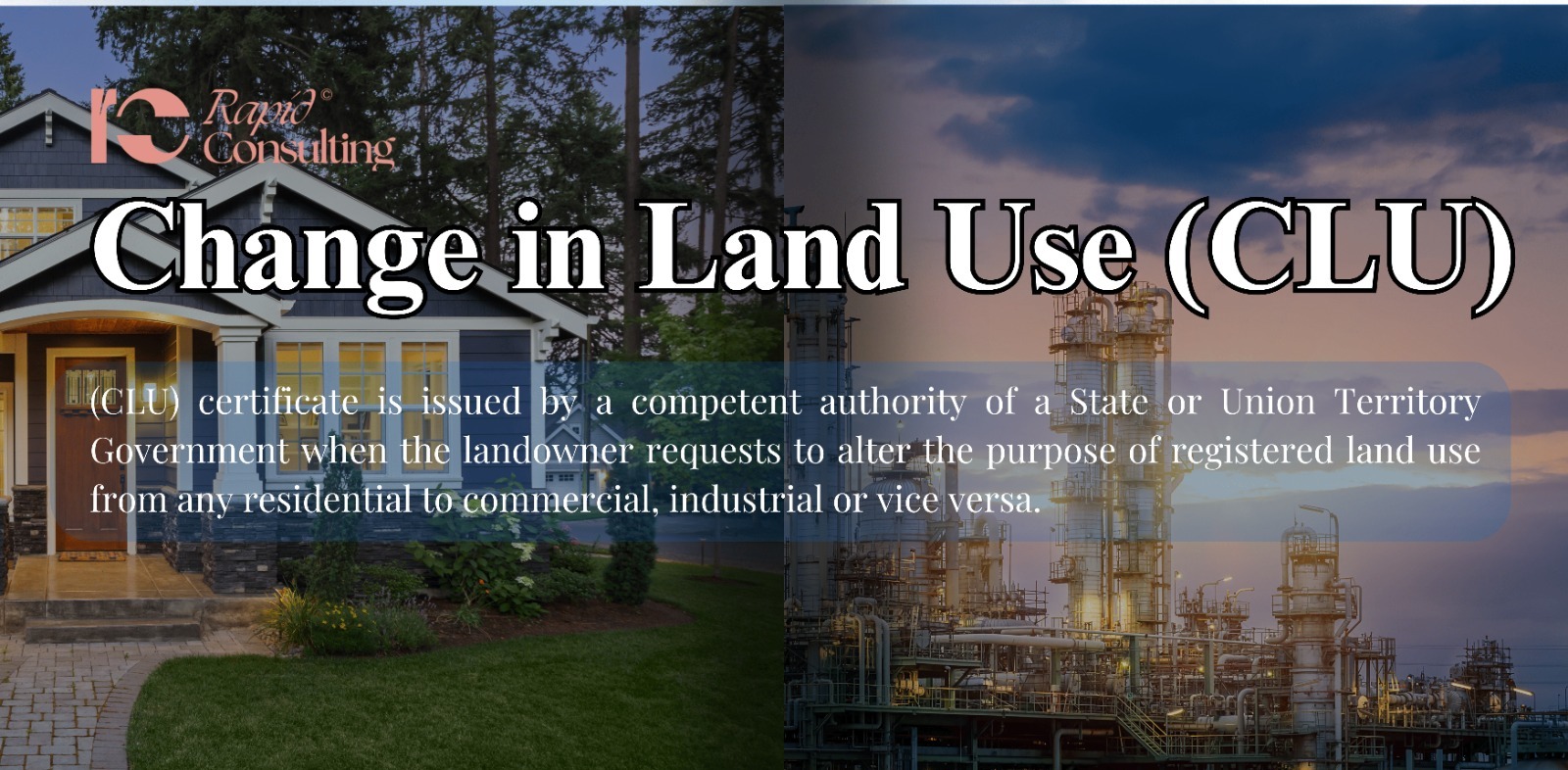
Supreme Court Rules Illegal Land Use Permissions Cannot Be Legalised Post-Facto
Master Plans Must Be Respected, Says Apex Court
Cement Unit Near School in Sangrur Quashed for Violating Planning Norms
By Legal Reporter
New Delhi: February 17, 2026:
In a landmark judgment, the Supreme Court of India has ruled that permissions for Change of Land Use (CLU) granted illegally under the Punjab Regional Town Planning and Development Act, 1995 cannot be validated retrospectively through post-facto approvals. The decision, delivered on February 16, 2026, sets aside the Punjab and Haryana High Court’s earlier order that had upheld such approvals, reinforcing the principle that planning laws and master plans must be strictly followed.
The Case: Shree Cement vs. Residents of Sangrur
The case arose from a dispute over a proposed cement grinding unit in Sangrur, Punjab, near Vasant Valley Public School. Residents, led by 93-year-old farmer Harbinder Singh Sekhon, challenged the CLU granted to Shree Cement North Private Limited, arguing that it violated the master plan and posed environmental risks.
The Punjab and Haryana High Court had earlier upheld the CLU by validating a post-facto approval issued by the Town and Country Planning Department. However, the Supreme Court bench of Justices Vikram Nath and Sandeep Mehta overturned this ruling, declaring that permissions invalid from inception remain a nullity unless the statute explicitly allows retrospective validation.
[💡 If you want practical guidance on drafting wills, codicils, and probate procedures, Will Writing Simplified is an invaluable resource. BUY TODAY: Amazon 🔹 Flipkart]
Key Observations by the Court
The Supreme Court made several critical observations:
- Invalid permissions cannot be cured later: A CLU granted without legal authority cannot be made lawful by subsequent approval.
- Master Plans are binding: Statutory master plans cannot be bypassed or diluted through executive actions.
- Environmental safeguards matter: The court struck down pollution consents and criticized attempts to reclassify cement grinding units as less polluting.
- Rule of law prevails: Planning norms must be respected to protect communities and ensure sustainable development.
Impact on Urban Planning
The ruling has far-reaching implications for urban planning and development in India:
- Strengthens master plans: Local authorities must adhere strictly to zoning and land use regulations.
- Limits arbitrary approvals: Governments cannot regularize illegal permissions through post-facto endorsements.
- Protects communities: Residents gain stronger legal backing to challenge projects that threaten health, environment, or education.
- Sets precedent: The judgment will guide future disputes involving CLU permissions across states.
The Human Angle: Farmer vs. Cement Giant
The case also highlights the power of grassroots activism. Harbinder Singh Sekhon, a 93-year-old farmer, led the legal battle against a corporate giant and the state government. His persistence, supported by residents and school authorities, ensured that the Supreme Court upheld community rights over industrial interests.
This victory underscores the importance of citizen participation in safeguarding environmental and planning norms.
Wider Context: CLU Disputes in India
CLU disputes are common across India, where rapid urbanization often collides with statutory planning frameworks. Key issues include:
- Industrial projects near schools and residential areas.
- Environmental concerns linked to pollution and land degradation.
- Government attempts to regularize violations through retrospective approvals.
The Supreme Court’s ruling sends a clear message that illegal permissions cannot be legitimized after the fact, strengthening accountability in governance.
Reactions to the Verdict
- Residents and activists hailed the judgment as a victory for rule of law and environmental justice.
- Legal experts noted that the ruling reinforces constitutional principles under Articles 14 and 21, ensuring equality and protection of life.
- Industry stakeholders expressed concern that stricter enforcement could delay projects but acknowledged the need for compliance with planning laws.
What Lies Ahead
Also Read: Supreme Court Slams Successive FIRs After Bail: Calls It Abuse of Process, Fit Case for Article 32
The ruling is expected to influence:
- Future CLU cases across Punjab and other states.
- Government policies on land use and industrial approvals.
- Judicial scrutiny of attempts to dilute environmental safeguards.
It also sets a precedent for courts to strike down permissions that violate master plans, even if governments attempt to regularize them later.
Conclusion
The Supreme Court’s decision under the Punjab Regional Town Planning Act marks a turning point in India’s urban governance. By declaring that illegal CLU permissions cannot be legalized post-facto, the court has reinforced the sanctity of master plans, environmental safeguards, and community rights. The ruling not only protects residents of Sangrur but also strengthens the broader framework of planned, sustainable development across the country.
Keywords for SEO & AI Search
- Supreme Court Punjab CLU ruling
- Change of Land Use illegal permissions India
- Shree Cement Sangrur case Supreme Court
- Punjab Regional Town Planning Act judgment
- Master Plan land use Supreme Court India
- Post-facto approval CLU invalid India
- Harbinder Singh Sekhon farmer Supreme Court case
- Cement unit near school Punjab SC ruling
- Environmental safeguards CLU disputes India
- Supreme Court urban planning India 2026
Also Read: Supreme Court Upholds Retrospective Pay Hike for Delhi HC Law Researchers, Dismisses Delhi Govt Plea