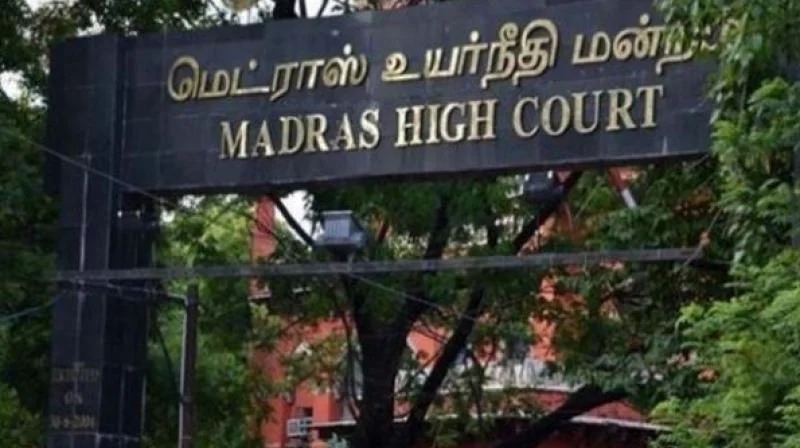
“Madras High Court Clears Stupa for 1755 War Heroes: Honouring Forgotten Freedom Fighters”
“Court says victories against colonial forces must be remembered and celebrated”
“If Stan Swamy can have a memorial, why not those who fought for India”
By Our Legal Correspondent
New Delhi: January 03, 2026:
In a landmark ruling, the Madras High Court has permitted the installation of a memorial stupa to honour the 1755 Natham Kanavai War heroes, who fought against British colonial forces. Justice G.R. Swaminathan, while hearing a writ petition filed by lawyer Siva Kalaimani Ambalam, observed that memorials serve a larger national and social purpose by keeping alive the sacrifices of those who fought for freedom.
Also Read: J&K High Court Quashes Compulsory Retirement: Bad Reputation Allegations Not Enough
The Madras High Court has allowed the construction of a memorial stupa for the 1755 Natham Kanavai War heroes, observing that if a memorial can be built for Stan Swamy, then honouring those who fought colonial forces is equally justified. The Court stressed that remembering such battles serves a larger national and social purpose, inspiring future generations.
The Court drew a parallel with the memorial for Stan Swamy, noting that if such recognition can be given to him, then warriors who laid down their lives for the country deserve equal respect.
Case Background
- The petitioner sought permission to install a memorial stupa commemorating the Natham Kanavai battle of 1755, where local fighters resisted British forces.
- The Tahsildar of Natham had earlier rejected the request.
- The High Court overturned this decision, allowing the memorial on the land mentioned in the plea.
Court’s Observations
- Historical importance: The Court said victories against colonial powers must be remembered as they were achieved at “great cost” and against “impossible odds.”
- Equality in recognition: Justice Swaminathan remarked that if Stan Swamy could have a memorial stone pillar, then war heroes deserve the same honour.
- National purpose: Memorials are not just symbolic—they inspire, motivate, and transform society by reminding citizens of sacrifices made for freedom.
Wider Context
Also Read: Delhi High Court: Foreign Income Cannot Be Directly Converted for Maintenance Awards
- Stan Swamy memorial: Earlier, the Court had allowed a stone pillar with his image to be erected on private land.
- War memorials in India: While major battles like Plassey and Panipat are remembered, regional resistance movements often remain forgotten.
- Cultural significance: The ruling bridges the gap between 18th-century warfare and modern-day recognition, ensuring that local heroes are not erased from history.
Comparison Table: Memorials in India
Memorial Type |
Example |
Court’s View |
Impact |
Individual activist |
Stan Swamy pillar |
Allowed |
Recognition of social activism |
War heroes |
Natham Kanavai stupa |
Allowed |
Honouring forgotten fighters |
National monuments |
India Gate, Amar Jawan Jyoti |
Established |
Centralised remembrance |
Regional memorials |
Local stupa proposals |
Often contested |
Now gaining judicial support |
Also Read: Orissa High Court Clarifies: Cheating and Criminal Breach of Trust Cannot Co-Exist on Same Facts
Why This Matters
- Restores dignity: Recognises sacrifices of local heroes who fought colonial forces.
- Balances narratives: Ensures that freedom fighters are remembered alongside activists.
- Inspires youth: Memorials serve as educational tools for future generations.
- Legal precedent: Sets an example for similar petitions across India.
Expert Views
- Historians: Say the ruling helps preserve regional histories often overshadowed by mainstream narratives.
- Legal experts: Note that the Court has expanded the scope of memorials by linking them to social purpose and equality.
- Citizens: Local communities see this as a victory for cultural pride and historical justice.
Conclusion
The Madras High Court’s decision to allow a stupa for the 1755 war heroes is more than a legal ruling—it is a symbolic restoration of forgotten history. By equating the recognition of Stan Swamy with that of freedom fighters, the Court has reinforced the principle that memorials must serve the nation’s collective memory.
This judgment ensures that sacrifices made against colonial forces are not lost to time, and that future generations can draw inspiration from those who fought for India’s freedom.
Suggested Keywords (SEO + ChatGPT)
Also Read: ICAI Clarifies: Chartered Accountants Not Liable for Misconduct Simply for Differing Opinions
- Madras High Court war hero’s stupa
- Natham Kanavai battle 1755 memorial
- Stan Swamy memorial vs war heroes
- Justice GR Swaminathan war memorial ruling
- Forgotten freedom fighters India
- Colonial resistance memorial Tamil Nadu
- War hero’s stupa Madras HC judgment
- Indian court rulings on memorials
Also Read: Delhi High Court Cracks Down on Illegal Streaming: Dynamic+ Injunction Blocks Piracy Websites