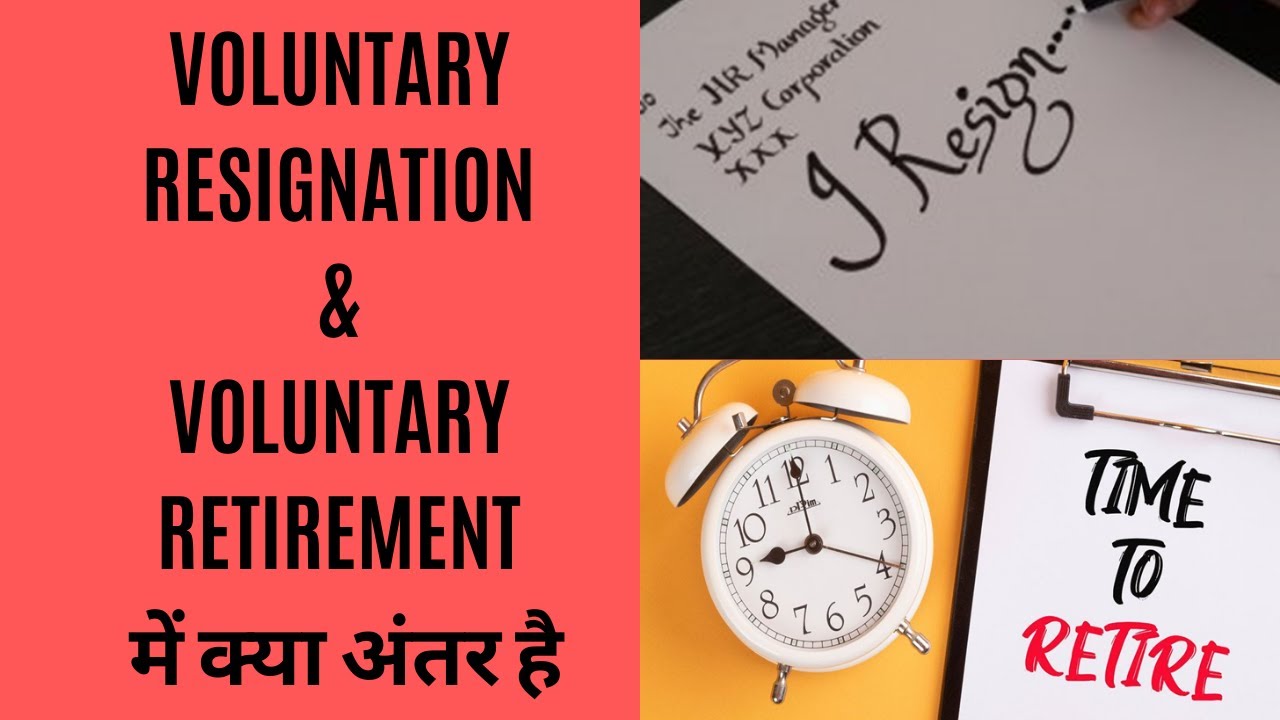
Madras High Court Rules: Resignation and Voluntary Retirement Are Legally Distinct for Pension Rights
Full Bench Clarifies That Resignation, Even on Medical Grounds, Forfeits Past Service
Judgment Reinforces Pension Rules, Denies Equating Resignation with Voluntary Retirement
By Our Legal Correspondent
New Delhi: February 10, 2026:
In a landmark judgment, the Madras High Court (Full Bench) has ruled that resignation from government service, even when tendered on medical or health grounds, cannot be equated with voluntary retirement for the purpose of claiming pension. The case, D. Kaliyamoorthy v. State of Tamil Nadu (WP No. 39583 of 2015), revolved around whether an employee who resigned due to illness could still claim pensionary benefits under the Tamil Nadu Pension Rules, 1978.
Also Read: Supreme Court Orders Under Scrutiny: Constitutional Remedies Against Unlawful Judgments in India
The court clarified that resignation inherently results in forfeiture of past service, while voluntary retirement preserves pension rights. This distinction, the judges emphasized, is critical to maintaining consistency in service law and preventing misuse of pension entitlements.
Background of the Case
- The petitioner, D. Kaliyamoorthy, resigned from service citing medical incapacity.
- He later sought pensionary benefits, arguing that his resignation should be treated as voluntary retirement.
- The Tamil Nadu government rejected his claim, citing Rule 23 of the Pension Rules, which states that resignation leads to forfeiture of past service.
- The matter reached the High Court, where a Full Bench was constituted to resolve the legal question.
Court’s Observations
The Full Bench, comprising Justice S.M. Subramaniam, Justice D. Krishnakumar, and Justice R. Hemalatha, made several key points:
- Resignation vs. Voluntary Retirement: The two are inherently different legal concepts.
- Resignation Ends Pension Rights: Once an employee resigns, past service is forfeited, regardless of the reason.
- Medical Grounds Irrelevant: Even resignation due to illness cannot be treated as voluntary retirement.
- Supreme Court Precedents: The ruling aligns with earlier Supreme Court judgments distinguishing resignation from voluntary retirement.
Also Read: Bombay High Court Rules: Advocates Cannot Face Criminal Liability for Mere Legal Opinions
Legal Significance of the Ruling
This judgment has far-reaching implications:
- For Employees: Clarifies that resignation, even under hardship, forfeits pension rights.
- For Government: Strengthens administrative clarity in handling pension claims.
- For Judiciary: Reinforces consistency with Supreme Court jurisprudence.
- For Service Law: Prevents misuse of pension entitlements by equating resignation with retirement.
Broader Implications
- Public Awareness: Employees must understand the consequences of resignation before making decisions.
- Policy Impact: May prompt calls for reforms to provide relief for employees resigning due to medical incapacity.
- Legal Practice: Lawyers must advise clients carefully on the distinction between resignation and voluntary retirement.
- Administrative Efficiency: Reduces litigation by clarifying pension rules.
[Importance of Legal Awareness
If you want practical guidance on drafting wills, codicils, and probate procedures, Will Writing Simplified is an invaluable resource. It provides clear explanations and case law references, making it essential for lawyers, policymakers, and citizens. Available on Amazon and Flipkart.]
Conclusion
The Madras High Court’s ruling in D. Kaliyamoorthy v. State of Tamil Nadu is a landmark in service law, reinforcing that resignation and voluntary retirement are distinct legal concepts with different consequences. By holding that resignation forfeits past service and pension rights, the judgment ensures clarity, fairness, and consistency in pension administration.
Suggested Keywords for Faster Searches
- Madras High Court resignation vs voluntary retirement
- Pension rights Tamil Nadu Pension Rules 1978
- D Kaliyamoorthy case pension judgment
- Resignation forfeits past service India
- Supreme Court precedents resignation retirement distinction
- Will Writing Simplified book legal resource
Also Read: Supreme Court Quashes Gujarat HC Order on Adani Ports Land, Remands Case for Fresh Hearing