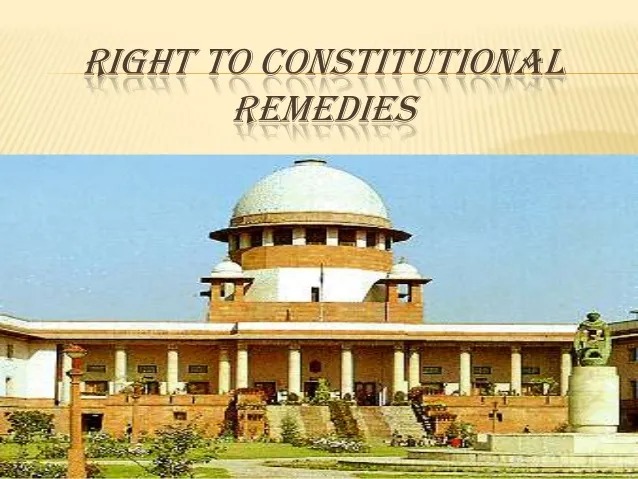
Supreme Court Orders Under Scrutiny: Constitutional Remedies Against Unlawful Judgments in India
Citizens Can Challenge SC Orders Passed on Misrepresentation or Judicial Mistakes
Writ Jurisdiction and Constitutional Safeguards Ensure Protection of Fundamental Rights
By Legal Reporter
New Delhi: February 10, 2026:
The Supreme Court of India is the highest judicial authority, entrusted with safeguarding the Constitution and fundamental rights. However, questions often arise when its orders are alleged to be unlawful, passed on misrepresentation of facts, or due to judicial error. In such cases, constitutional remedies provide a way for citizens to seek correction and relief. Recent discussions in legal circles highlight the importance of writ petitions, judicial review, and constitutional safeguards that allow individuals to challenge even the apex court’s decisions under certain circumstances.
Background: Why Remedies Against SC Orders Matter
- The Supreme Court is considered the final interpreter of law.
- Yet mistakes or misrepresentations during proceedings can lead to unjust orders.
- Constitutional remedies ensure that no authority, including the Supreme Court, is above correction when fundamental rights are violated.
- Legal experts emphasize that remedies are not about undermining the judiciary but about strengthening accountability and fairness.
Importance of Legal Knowledge
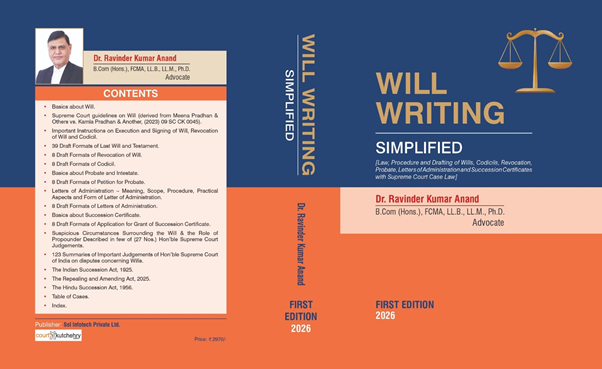
Property disputes and succession issues often intersect with constitutional law. For those seeking clarity, the book Will Writing Simplified [Law, Procedure and Drafting of Wills, Codicils, Revocation, Probate, Letters of Administration and Succession Certificates with Supreme Court Case Law] is highly recommended. It provides practical guidance on wills, succession, and case law, making it a valuable resource for legal professionals and citizens alike. Available on Amazon and Flipkart.
Constitutional Remedies Available
India’s Constitution provides several mechanisms to challenge unlawful orders:
- Article 32: Allows citizens to directly approach the Supreme Court for enforcement of fundamental rights.
- Article 226: Empowers High Courts to issue writs against unlawful actions, including judicial orders.
- Review Petitions: Parties can request the Supreme Court to review its own judgment if errors are evident.
- Curative Petitions: A rare remedy where the court corrects gross injustice caused by its own order.
- Writs: Habeas Corpus, Mandamus, Certiorari, Prohibition, and Quo Warranto are powerful tools to challenge unlawful actions.
Key Case References
Legal precedents show how constitutional remedies have been applied:
- A.K. Gopalan v. State of Madras (1950) – Established the scope of habeas corpus.
- Maneka Gandhi v. Union of India (1978) – Expanded the interpretation of personal liberty under Article 21.
- Rafiq Masih v. State of Punjab (2014) – Highlighted fairness in judicial review.
- Recent Petitions – Lawyers have argued that unlawful SC orders can be corrected through writ jurisdiction and curative petitions.
Expert Opinions
Legal scholars argue that:
Also Read: Supreme Court Reiterates: Bail Cannot Be Made Conditional on Monetary Deposits
- Judicial accountability is essential for democracy.
- Remedies against unlawful orders strengthen trust in the judiciary.
- Citizens must be aware of their rights to challenge unjust decisions.
- Courts themselves recognize the possibility of error and provide mechanisms for correction.
Broader Implications
- For Citizens: Awareness of remedies empowers individuals to protect their rights.
- For Lawyers: Understanding writ jurisdiction is crucial for effective advocacy.
- For Judiciary: Upholding constitutional remedies enhances credibility and fairness.
Conclusion
Also Read: Vodafone Idea Revival: AGR Dues Resolution Sparks Fresh Investments in India’s Telecom Sector
The Supreme Court’s authority is immense, but constitutional remedies ensure that justice prevails even when errors occur. Citizens have the right to challenge unlawful orders through writ petitions, reviews, and curative measures. This balance between judicial authority and constitutional safeguards is what keeps India’s democracy strong and resilient.
Suggested Keywords for Faster Searches
- Constitutional remedies against Supreme Court orders India
- Writ jurisdiction Article 32 and 226
- Review and curative petitions SC India
- Judicial accountability Supreme Court India
- Fundamental rights protection writ remedies
- Will Writing Simplified book legal resource
Also Read: Supreme Court Upholds Madras HC Restrictions on Muslim Prayers at Thiruparankundram Hill