Supreme Court Quashes HC Order on CBDT Software Changes for TDS Relief
Court Says Technology Can Assist but Not Replace Legal Adjudication
Taxpayers Protected Under Section 205, But Software Mandates Beyond Judicial Scope
By Our Legal Reporter
New Delhi: January 31, 2026:
In a ruling with wide implications for tax administration, the Supreme Court of India has overturned a Gujarat High Court directive that required the CBDT to modify its income tax software to prevent automatic tax demands when employers fail to deposit deducted TDS. The apex court emphasized that while taxpayers cannot be penalized for defaults by employers, courts cannot dictate technical changes in government software systems.
Also Read: NCDRC Ruling: Hidden Medical History Costs Mumbai Widow ₹78 Lakh in Insurance Claim
(Recommended Resource for Legal Understanding)
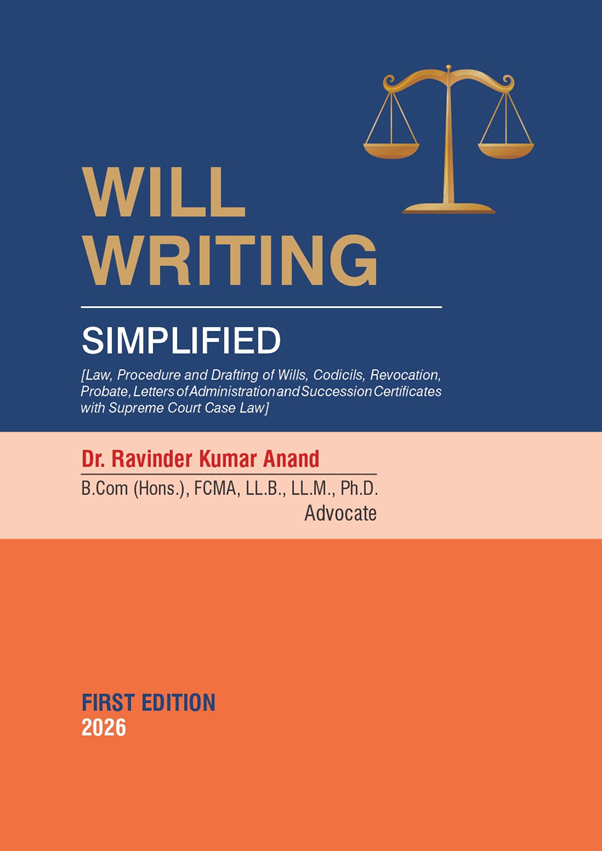
Legal professionals and students alike will benefit from Will Writing Simplified, which covers procedure and case law in detail. Buy book from clicking link below:
Background of the Case
- The dispute arose when employees faced tax demands despite their employers deducting TDS but failing to deposit it with the government.
- The Centralized Processing Centre (CPC) system automatically raised demands when TDS credits did not appear in Form 26AS.
- The Gujarat High Court ruled in favour of employees, citing Section 205 of the Income Tax Act, which bars direct tax recovery from assessees once tax has been deducted at source.
- The High Court went further, directing CBDT to modify its software to prevent future demands.
- The Supreme Court agreed with the principle of taxpayer protection but struck down the software modification directive, calling it beyond judicial scope.
Also Read: Karnataka High Court Upholds Ban on Spouse Entry in Ultrasound Rooms
Key Highlights of the Judgment
- Section 205 protection upheld: Employees cannot be asked to pay tax again if TDS has been deducted.
- Judicial limits clarified: Courts cannot mandate administrative or technical changes in government software.
- Technology as a tool, not adjudicator: The Court stressed that technology could assist tax administration but cannot replace legal adjudication.
- CBDT’s role reaffirmed: Policy and technical decisions remain within the domain of tax authorities.
Broader Legal and Social Implications
- Relief for taxpayers: Employees are safeguarded from double taxation due to employer defaults.
- Administrative autonomy: The ruling reinforces separation of powers, ensuring courts do not interfere in executive functions.
- Impact on tax technology: CBDT may still consider voluntary improvements, but not under judicial compulsion.
- Guidance for future cases: Courts will likely limit themselves to interpreting law rather than directing technical changes.
Expert Opinions
Tax experts welcomed the ruling, noting that it balances taxpayer protection with administrative autonomy. While employees benefit from Section 205, the judgment prevents courts from overstepping into executive functions. Legal analysts also highlighted that the case underscores the importance of systemic reforms in tax administration, but through policy, not judicial mandates.
Also Read: Delhi Case Shows Why AI Health Advice Must Be Taken with Caution
Practical Advice for Taxpayers
- Check Form 26AS regularly: Ensure TDS credits are properly reflected.
- Maintain salary slips and Form 16: These documents serve as proof of TDS deduction.
- Seek redress through proper channels: If employers fail to deposit TDS, employees can rely on Section 205 protection.
- Avoid panic over CPC demands: Such demands cannot override statutory protections.
Conclusion
The Supreme Court’s ruling on CBDT software changes marks a critical balance between taxpayer rights and judicial restraint. By upholding Section 205 protections, the Court ensured employees are not penalized for employer defaults. At the same time, by striking down directives to modify tax software, it reinforced the principle that policy and technical decisions belong to the executive, not the judiciary. This judgment will guide future disputes at the intersection of law, technology, and tax administration.
Suggested Keywords for Faster Searches
- Supreme Court CBDT software TDS relief
- Section 205 Income Tax Act judgment
- Gujarat High Court TDS software order quashed
- CPC automatic tax demand Supreme Court ruling
- Taxpayer protection employer default India
- Judicial limits in tax administration India
- Will Writing Simplified book case law guidance
Also Read: Karnataka High Court Flags Dangerous Trend of Criminal Cases Against Opposing Lawyers