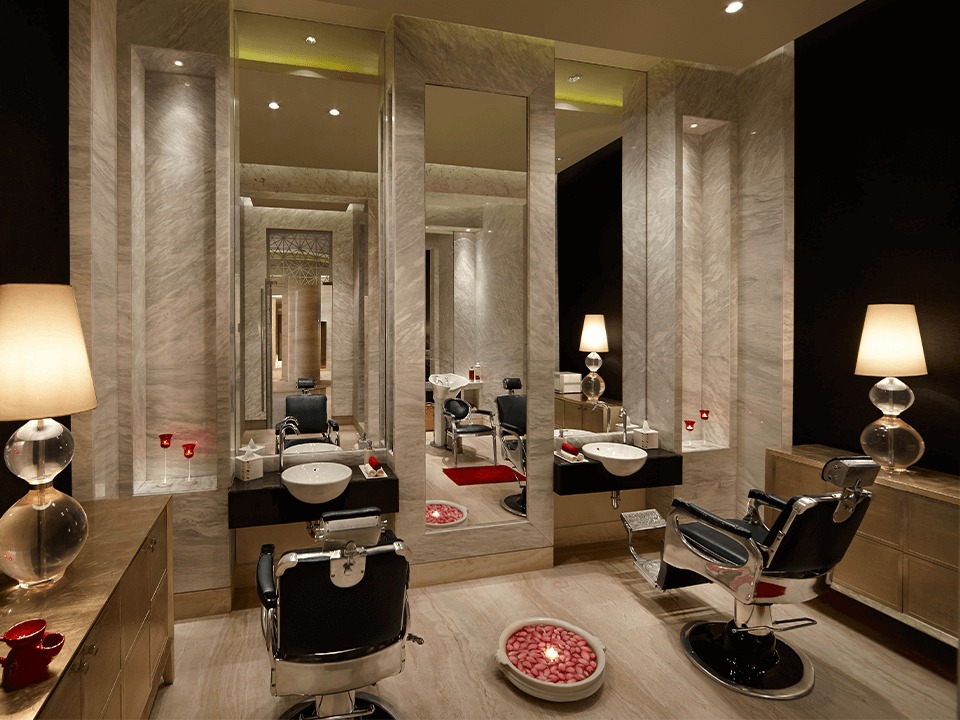
Supreme Court Slashes ₹2 Crore Compensation in ‘Bad Haircut’ Case Against ITC to ₹25 Lakh
Apex Court Says Damages Cannot Be Based on Presumptions or Whims Without Reliable Evidence
Judgment Clarifies Consumer Law Principles, Reinforces Need for Proof in Compensation Claims
By Legal Reporter
New Delhi: February 10, 2026:
The Supreme Court of India has set aside the National Consumer Disputes Redressal Commission’s (NCDRC) order awarding ₹2 crore in compensation to model Aashna Roy, who alleged that a faulty haircut at ITC Maurya’s salon in Delhi damaged her career prospects. The apex court reduced the compensation to ₹25 lakh, already disbursed under earlier directions, ruling that claims of massive damages must be supported by reliable and cogent evidence.
Also Read: Supreme Court Orders Under Scrutiny: Constitutional Remedies Against Unlawful Judgments in India
This case, which began in 2018, has become a landmark in consumer law, highlighting the balance between protecting consumer rights and preventing exaggerated claims.
[Importance of Legal Awareness]
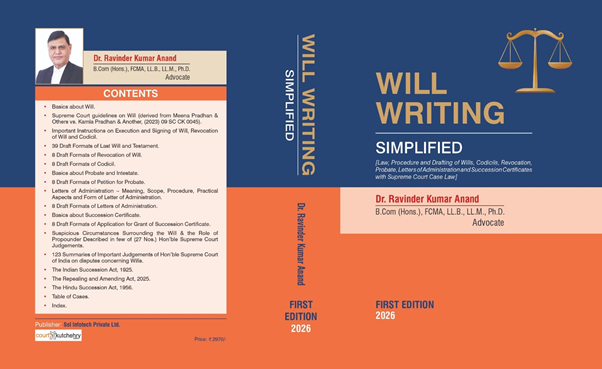
For those seeking clarity on legal procedures, succession, and will disputes, the book Will Writing Simplified [Law, Procedure and Drafting of Wills, Codicils, Revocation, Probate, Letters of Administration and Succession Certificates with Supreme Court Case Law] is highly recommended. It provides practical guidance and case law references, making it a valuable resource for lawyers, students, and citizens. Available on Amazon and Flipkart.
Background of the Case
Also Read: Bombay High Court Rules: Advocates Cannot Face Criminal Liability for Mere Legal Opinions
- In April 2018, Aashna Roy visited ITC Maurya’s salon for a haircut. She alleged that the stylist ignored her instructions and gave her a drastically different look.
- Roy claimed the haircut ruined her modelling assignments and film opportunities, leading to a loss of income.
- In 2021, the NCDRC awarded her ₹2 crore in compensation, citing deficiency in service.
- ITC Limited challenged the order, arguing that the compensation was excessive and unsupported by evidence.
- The Supreme Court finally ruled in February 2026, reducing the compensation to ₹25 lakh.
Court’s Observations
The bench of Justices Rajesh Bindal and Manmohan made several important points:
- Damages must be evidence-based: Compensation cannot be awarded merely on presumptions or the complainant’s expectations.
- No causal link established: Documents presented did not prove that the haircut directly caused loss of modelling or film opportunities.
- Consumer protection vs. fairness: While consumers must be protected against poor service, claims running into crores require strong proof.
- Reasonable compensation: The ₹25 lakh already awarded was deemed sufficient given the circumstances.
Legal Significance of the Ruling
This judgment sets a precedent in consumer law:
- For Consumers: Reinforces the right to compensation but stresses the need for credible evidence.
- For Service Providers: Protects businesses from exaggerated claims while holding them accountable for genuine deficiencies.
- For Judiciary: Clarifies that compensation must be proportionate and based on proof, not assumptions.
Broader Implications
- Consumer Awareness: Encourages individuals to document losses carefully when seeking compensation.
- Business Practices: Hotels, salons, and service providers may tighten quality controls to avoid disputes.
- Legal Strategy: Lawyers must ensure clients present strong evidence linking service deficiency to actual damages.
- Public Perception: The ruling balances consumer rights with fairness, preventing misuse of compensation claims.
Conclusion
The Supreme Court’s ruling in the ITC Maurya “bad haircut” case underscores the principle that compensation must be fair, proportionate, and evidence based. While consumers deserve protection against poor service, exaggerated claims without proof cannot be sustained. This judgment strengthens consumer law in India, ensuring justice for both consumers and service providers.
Suggested Keywords for Faster Searches
- Supreme Court ITC Maurya bad haircut case
- ₹2 crore compensation reduced to ₹25 lakh
- Consumer law damages India Supreme Court
- Aashna Roy haircut compensation ruling
- NCDRC compensation order set aside SC
- Will Writing Simplified book legal resource
Also Read: Supreme Court Quashes Gujarat HC Order on Adani Ports Land, Remands Case for Fresh Hearing