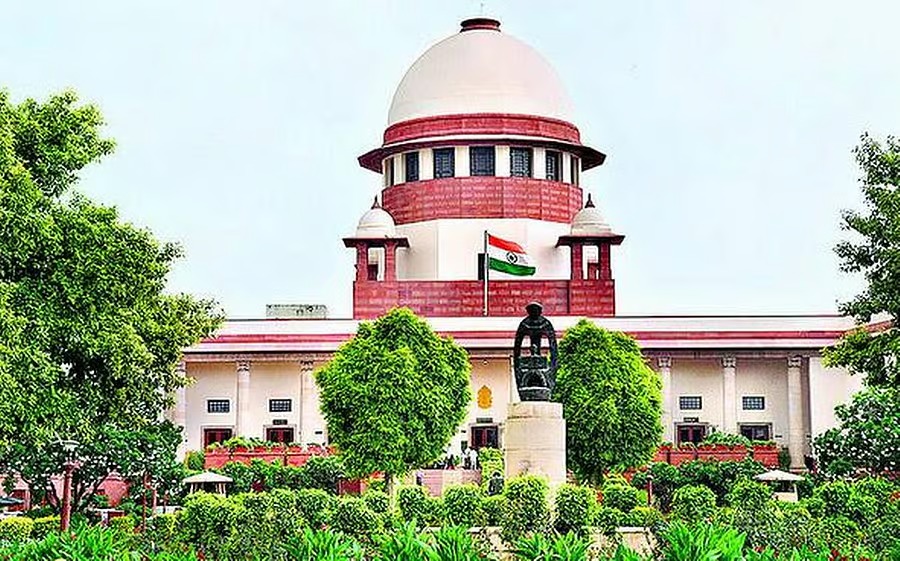
Supreme Court Clarifies: NCLT Need Only Confirm Debt Default at Plea Stage, Not Probe Ability to Pay
Section 7 IBC Applications Must Be Admitted Once Default Is Established
Ruling Upholds Insolvency Proceedings Against Hiranmaye Energy
By Legal Reporter
New Delhi: February 21, 2026:
In a landmark judgment, the Supreme Court of India has ruled that the National Company Law Tribunal (NCLT) is not required to examine a corporate debtor’s ability to pay its dues while admitting insolvency proceedings under the Insolvency and Bankruptcy Code (IBC), 2016. The Court clarified that at the admission stage, the tribunal’s role is limited to confirming the existence of a debt and a default. This ruling is expected to streamline insolvency proceedings and reduce delays in admitting cases.
Also Read: Supreme Court Orders Inquiry into Juvenility Claim Raised 46 Years After 1983 Murder Conviction
[Suggested Resource]
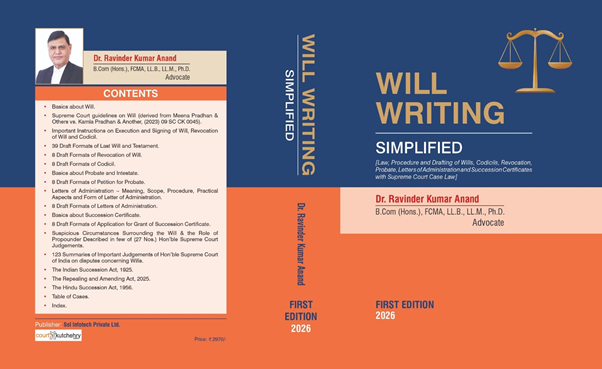
Legal professionals and students alike will benefit from Will Writing Simplified, which covers procedure and case law in detail. Amazon 📘 Buy "Will Writing Simplified" online: 🔹 Flipkart
Background of the Case
Also Read: Allahabad High Court: Lawyer’s Statement Without Client’s Consent Not Binding for Contempt
- The ruling came in the matter involving Hiranmaye Energy Limited, which faced insolvency proceedings initiated by REC Limited for dues of approximately ₹218 crore.
- The NCLT admitted the case, but questions were raised about whether the tribunal should also examine the debtor’s financial capacity to pay.
- The Supreme Court upheld the NCLT’s decision, emphasizing that the tribunal’s inquiry at the plea stage is limited to verifying debt and default.
Supreme Court’s Observations
The Bench made several important points:
- The existence of debt and default is sufficient for admitting a Section 7 application under the IBC.
- The tribunal is not required to probe the debtor’s inability to pay, unlike the older Companies Act winding-up provisions.
- The IBC framework is designed to ensure speedy resolution of insolvency cases, and unnecessary inquiries at the admission stage defeat this purpose.
The Order
- The Supreme Court directed that once debt and default are established, the NCLT must admit the application without discretion.
- It reaffirmed that insolvency proceedings are not about assessing solvency but about resolving defaults through the Corporate Insolvency Resolution Process (CIRP).
- The ruling strengthens creditors’ rights by ensuring faster admission of cases.
Wider Implications
This judgment has far-reaching consequences for India’s insolvency regime:
- Creditors gain clarity: Financial creditors can expect quicker admission of cases once debt and default are proven.
- Debtors lose discretionary protection: Companies cannot delay proceedings by arguing about their ability to pay.
- IBC strengthened: The ruling reinforces the IBC’s objective of time-bound resolution of insolvency.
Past Judicial Stand on Insolvency Admission
Also Read: Supreme Court Clarifies: Unchallenged Will Enough for Land Mutation
- The Supreme Court has previously emphasized that the IBC is a creditor-driven process.
- In earlier rulings, the Court clarified that adjudicating authorities must act swiftly to admit cases once default is established.
- This latest ruling further narrows the scope of inquiry, ensuring consistency in insolvency admissions.
Expert Views
Legal experts welcomed the ruling:
- “This judgment removes ambiguity and ensures that insolvency proceedings are not bogged down by unnecessary debates on solvency,” said a senior insolvency lawyer.
- Analysts believe the ruling will improve India’s ranking in global ease of doing business by making insolvency resolution more predictable.
Conclusion
The Supreme Court’s ruling that the NCLT need only confirm debt default at the plea stage is a significant step in strengthening India’s insolvency framework. By limiting the tribunal’s role to verifying debt and default, the Court has ensured faster resolution of cases, greater creditor confidence, and reduced litigation delays. For businesses and creditors alike, this judgment marks a turning point in India’s journey toward a more efficient insolvency regime.
Keywords for Faster Search (Google + ChatGPT)
Also Read: Supreme Court Orders Probe into Missing Case Records, Flags ‘Trend’ of Vanishing Proceedings
- Supreme Court NCLT debt default ruling
- Section 7 IBC insolvency admission
- Hiranmaye Energy insolvency case
- NCLT plea stage insolvency India
- Supreme Court insolvency proceedings 2026
- Corporate debtor ability to pay IBC
- Insolvency and Bankruptcy Code admission stage
- REC Ltd vs Hiranmaye Energy case