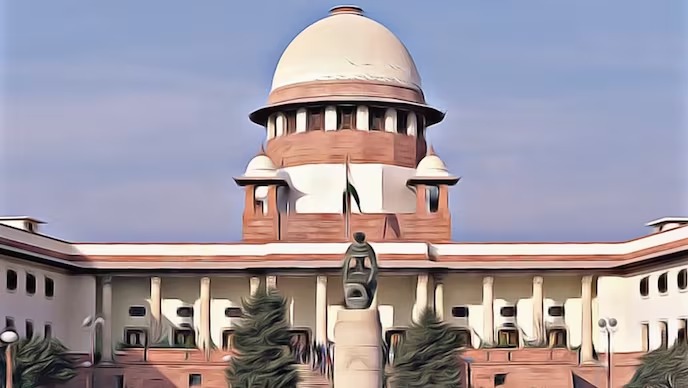
Supreme Court: Temple’s Name in Land Records Does Not Guarantee Property Ownership
Revenue Records Show Possession, Not Legal Title, Rules Apex Court
Judgment Impacts Temples, Mutts, and Religious Trusts Across India
By Our Legal Reporter
New Delhi: January 31, 2026:
In a landmark judgment, the Supreme Court of India has clarified that the presence of a temple’s name in land revenue records does not automatically establish ownership of the property. The ruling came in a case involving Panchavatige Mutt, Togarsi (Karnataka), which claimed ownership of agricultural land based solely on entries in revenue records. The Court dismissed the appeal, reiterating that legal ownership must be proven through valid title documents, not just possession or payment of land revenue.
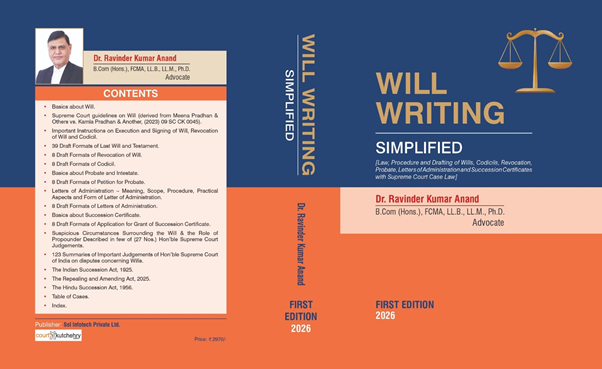
[Recommended Resource for Legal Understanding]
Property Ownership during succession gets risky, especially if not well documented and backed by registered/ unregistered Will. If you want practical guidance on drafting wills, codicils, and probate procedures, Will Writing Simplified is an invaluable resource. It provides clear explanations of Indian succession laws and Supreme Court case references.
Background of the Case
- The dispute involved 15 acres and 14 guntas of agricultural land in Togarsi village, Karnataka.
- The Panchavatige Mutt argued that its name in revenue records proved ownership.
- Both the Trial Court and the Karnataka High Court rejected the claim, citing lack of title documents.
- The Supreme Court upheld these findings, stressing that revenue entries are not conclusive proof of ownership.
Key Highlights of the Judgment
- Revenue records ≠ ownership: The Court emphasized that such records only indicate possession or cultivation, not legal title.
- Burden of proof: Religious institutions must produce valid documents like sale deeds, grants, or trust records to establish ownership.
- Legal clarity: The ruling prevents misuse of revenue records by parties seeking to claim land without proper documentation.
- Impact on temples and mutts: Many religious institutions rely on old revenue entries; this judgment requires them to secure proper title deeds.
Broader Legal and Social Implications
- Strengthening property law: The judgment reinforces the principle that ownership must be backed by legal documentation.
- Impact on religious institutions: Temples and mutts across India may face challenges in proving ownership if they lack title deeds.
- Public awareness: Citizens must understand that possession or name in records is insufficient for ownership claims.
- Future disputes: Courts are likely to apply this precedent in similar property disputes involving religious trusts.
Expert Opinions
Legal experts note that the ruling aligns with established principles of property law. Revenue records are administrative documents, not ownership certificates. Advocates argue that while temples often rely on historical possession, they must now ensure proper documentation to avoid losing property rights.
Practical Advice for Citizens and Institutions
- Maintain title deeds: Always secure sale deeds, grants, or trust documents to prove ownership.
- Do not rely solely on revenue records: These are useful for taxation but not for ownership disputes.
- Seek legal guidance: Institutions should consult property lawyers to regularize ownership documents.
- Digitization of records: With the Supreme Court urging blockchain-based land records, institutions should prepare for modernized documentation.
Conclusion
The Supreme Court’s ruling that temple names in revenue records do not guarantee property ownership is a significant step in clarifying property law in India. By insisting on valid title documents, the Court has ensured that ownership claims are legally sound and not based on administrative entries. This decision will reshape how temples, mutts, and trusts manage their property rights, urging them to secure proper documentation for future protection.
Also Read: COURTKUTCHERY SPECIAL ON #BUDGET2026 ON TAXPAYERS IMPACT
Suggested Keywords for Faster Searches
- Supreme Court temple land records judgment
- Temple property ownership India
- Revenue records vs legal title Supreme Court
- Panchavatige Mutt land dispute Karnataka
- Property law religious institutions India
- Supreme Court ruling temple land possession
- Will Writing Simplified book probate guidance
Also Read: Supreme Court Quashes HC Order on CBDT Software Changes for TDS Relief