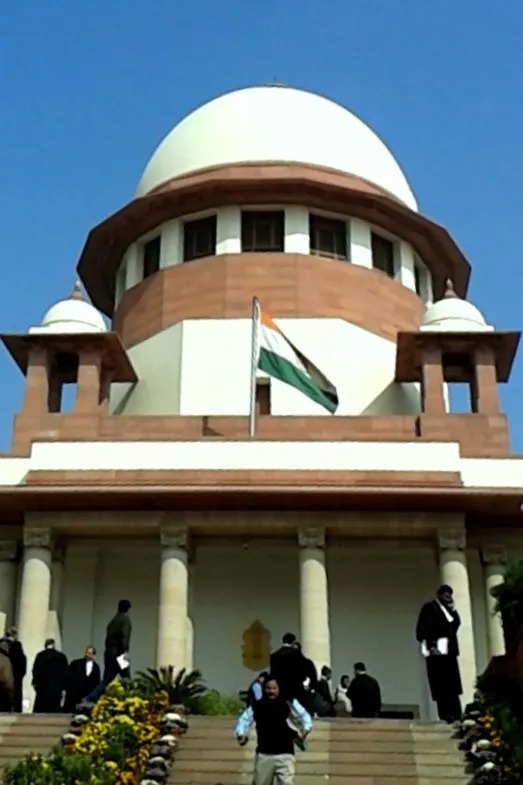
CJI’s Office Received 8,630 Complaints Against Sitting Judges in Last Decade, Law Ministry Reveals in Lok Sabha
Complaints Include Allegations of Corruption, Misconduct, and Impropriety
Transparency and Accountability in Judiciary Under Spotlight After Data Disclosure
By Legal Reporter
New Delhi: February 14, 2026:
In a rare disclosure, the Union Law Ministry informed the Lok Sabha that the office of the Chief Justice of India (CJI) has received 8,630 complaints against sitting judges of the Supreme Court and High Courts over the past ten years. The revelation, made by Law Minister Arjun Ram Meghwal in response to a parliamentary query, has sparked debate about judicial accountability, transparency, and the mechanisms available to address grievances against members of the higher judiciary.
Also Read: Supreme Court: High Courts Must Address All Issues in Writ Petitions, Not Just One Point
Details of the Disclosure
- The complaints span from 2016 to 2025, with the highest number recorded in 2024 (1,170 complaints).
- Allegations include corruption, sexual misconduct, and other serious improprieties.
- Nearly 50% of complaints were filed in the last four years (2022–2025), indicating a sharp rise in grievances.
- The Law Ministry did not disclose details of actions taken, raising concerns about transparency.
[Recommended Legal Resource]
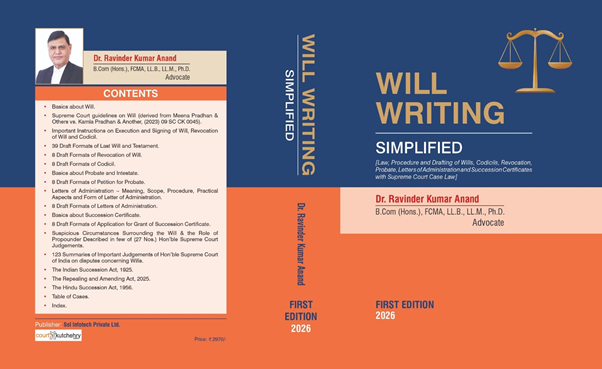
For readers seeking deeper insights into Indian legal procedures, drafting, and Supreme Court case law, the book Will Writing Simplified [Law, Procedure and Drafting of Wills, Codicils, Revocation, Probate, Letters of Administration and Succession Certificates with Supreme Court Case Law] is highly recommended. It offers practical guidance on legal drafting and interpretation, making it invaluable for lawyers, students, and professionals.
Mechanism for Handling Complaints
The Supreme Court follows an “in-house procedure” to deal with complaints against judges:
- Complaints are received by the CJI’s office.
- They are examined internally, without executive or legislative intervention.
- If serious, matters may be referred to collegium members or inquiry committees.
- However, outcomes are rarely made public, leading to criticism about lack of accountability.
Why This Matters
This disclosure is significant for several reasons:
- Judicial Independence vs. Accountability: While judges must remain independent, unchecked complaints can erode public trust.
- Transparency Gap: The absence of publicly available data on how complaints are resolved raises questions.
- Public Confidence: Citizens expect fairness and integrity from the judiciary; unresolved allegations can weaken confidence.
- Policy Debate: The revelation may reignite calls for reforms, including stronger oversight mechanisms.
Expert Opinions
Also Read: Is Lending Cash to Relatives Illegal? Understanding Section 269SS of the Income Tax Act
Legal experts and commentators have reacted strongly:
- Supporters of Transparency argue that publishing complaint outcomes would strengthen public trust.
- Critics of Disclosure caution that frivolous complaints could be weaponized against judges, undermining judicial independence.
- Reform Advocates suggest creating an independent judicial complaints authority to balance accountability with independence.
Broader Context
India’s judiciary has faced scrutiny in recent years:
- Allegations of bias, corruption, and misconduct have occasionally surfaced against judges.
- The Judges (Inquiry) Act, 1968 provides a mechanism for impeachment, but it is rarely invoked due to its complexity.
- The in-house procedure remains the primary method of addressing complaints, though critics say it lacks transparency.
Conclusion
The disclosure of 8,630 complaints against sitting judges over the past decade is a wake-up call for India’s judiciary. While the in-house procedure ensures independence, the lack of transparency in complaint resolution raises serious concerns. As public trust in institutions becomes increasingly vital, the judiciary may need to consider reforms that balance independence with accountability.
Also Read: Supreme Court Allows Patent Mapping in Cancer Drug Dispute Between Bristol Myers Squibb and Zydus
Suggested Keywords for SEO & Faster Searches
- Supreme Court complaints against judges India
- CJI office complaints data Lok Sabha 2026
- Judicial accountability India Supreme Court
- Complaints against High Court judges India
- Corruption allegations judiciary India
- Transparency in Indian judiciary
- In-house procedure Supreme Court complaints
- Law Ministry disclosure complaints judges
- Judicial independence vs accountability India
- Will Writing Simplified book legal resource
Also Read: McDonald’s India Outlet Warned Over Rotten Tomatoes and Reused Oil: Food Safety Laws in Focus