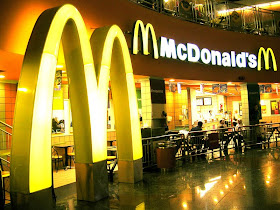
McDonald’s India Outlet Warned Over Rotten Tomatoes and Reused Oil: Food Safety Laws in Focus
Jaipur inspection finds 40 litres of reused cooking oil and rotten tomatoes, breaching FSSAI norms
Case highlights strict legal framework under Food Safety and Standards Act, 2006
By Our Legal Correspondent
New Delhi: February 14, 2026:
A McDonald’s outlet in Jaipur, Rajasthan has come under regulatory scrutiny after food safety officials discovered 40 litres of reused cooking oil and large quantities of rotten tomatoes during a surprise inspection. The inspection, carried out earlier this week, led to a formal warning from the Food Safety and Standards Authority of India (FSSAI) and state food safety officers.
The incident has sparked debate about food safety compliance among multinational fast-food chains operating in India. It also brings into focus the laws and regulations governing food safety, including the Food Safety and Standards Act, 2006, and related rules on edible oil usage and food storage.
Case Background
- The inspection was conducted at McDonald’s Gaurav Tower outlet in Jaipur, a popular tourist hub.
- Officials found reused cooking oil with Total Polar Compound (TPC) levels far above permissible limits. TPC levels measure oil degradation; the legal limit is 25%, but samples reportedly showed 28%.
- Rotten tomatoes weighing nearly 40 kg were also discovered in storage.
- Approximately 40 litres of unsafe oil were destroyed on-site, and fresh oil was ordered for immediate use.
- The outlet has been given 14 days to rectify practices, failing which stricter action may follow.
Relevant Food Safety Laws
- Food Safety and Standards Act, 2006 (FSSA):
- Governs food safety standards in India.
- Empowers FSSAI to regulate, inspect, and penalize violations.
- Section 26: Food business operators must ensure food is safe and fit for consumption.
- Food Safety and Standards (Licensing and Registration of Food Businesses) Regulations, 2011:
- Mandates hygienic practices in food preparation and storage.
- Requires proper disposal of expired or unsafe raw materials.
- Food Safety and Standards (Food Products Standards and Food Additives) Regulations, 2011:
- Sets limits on Total Polar Compounds (TPC) in edible oils.
- Oil must be discarded once TPC exceeds 25%.
- Penalties under FSSA:
- Unsafe food: Fine up to ₹10 lakh and possible imprisonment.
- Misbranded food: Fine up to ₹3 lakh.
- Failure to comply with food safety directions: Fine up to ₹2 lakh.
Implications of the Case
- For Consumers: Raises concerns about food safety even at reputed international chains.
- For Food Businesses: Reinforces need for strict compliance with FSSAI norms.
- For Regulators: Demonstrates proactive enforcement of food safety laws.
- For Public Health: Highlights risk of reused oil, including cancer-causing compounds and cholesterol issues.
Broader Legal Significance
This case underscores India’s growing emphasis on food safety enforcement. In recent years, FSSAI has tightened rules on edible oil usage, food labelling, and hygiene standards. Surprise inspections of high-profile outlets show regulators’ intent to hold even multinational brands accountable.
It also reflects India’s alignment with global food safety practices, ensuring that consumers are protected from unsafe food and that businesses maintain transparency.
[Recommended Legal Resource]
If you want practical guidance on drafting wills, codicils, and probate procedures, Will Writing Simplified [Law, Procedure and Drafting of Wills, Codicils, Revocation, Probate, Letters of Administration and Succession Certificates with Supreme Court Case Law] is an invaluable resource. It provides practical insights and case references, making it useful for lawyers, law students, and researchers.
You can access it here: Amazon | Flipkart
Conclusion
The Jaipur McDonald’s case is a reminder that food safety laws apply equally to all businesses, whether local eateries or global chains. By enforcing strict standards under the Food Safety and Standards Act, 2006, regulators are ensuring that consumers are protected from unsafe practices like reused oil and rotten produce.
This incident highlights the importance of compliance, transparency, and accountability in India’s food industry, reinforcing that public health cannot be compromised for profit.
Suggested Keywords for Faster Searches
- McDonald’s India food safety violation Jaipur
- FSSAI reused oil rotten tomatoes case
- Food Safety and Standards Act 2006 McDonald’s
- Jaipur McDonald’s inspection reused oil
- TPC edible oil limit India food safety law
- McDonald’s outlet food safety warning India
- FSSAI penalties unsafe food India
- McDonald’s Jaipur rotten tomatoes reused oil
Also Read: Supreme Court Clarifies Section 29A: Arbitrator Substitution Not Automatic After Mandate Ends