COURTKUTCHEHRY SPECIAL ON ORGANS DONATION LAWS IN INDIA
Kerala’s Youngest Organ Donor: 10-Month-Old Baby Saves Lives, Sparks Debate on India’s Organ Donation Laws
Parents’ Courageous Decision Turns Tragedy into Hope for Five Patients
Case Highlights Legal Framework and Ethical Questions Around Organ Donation in India
By Our Legal Correspondent
New Delhi: February 14, 2026:
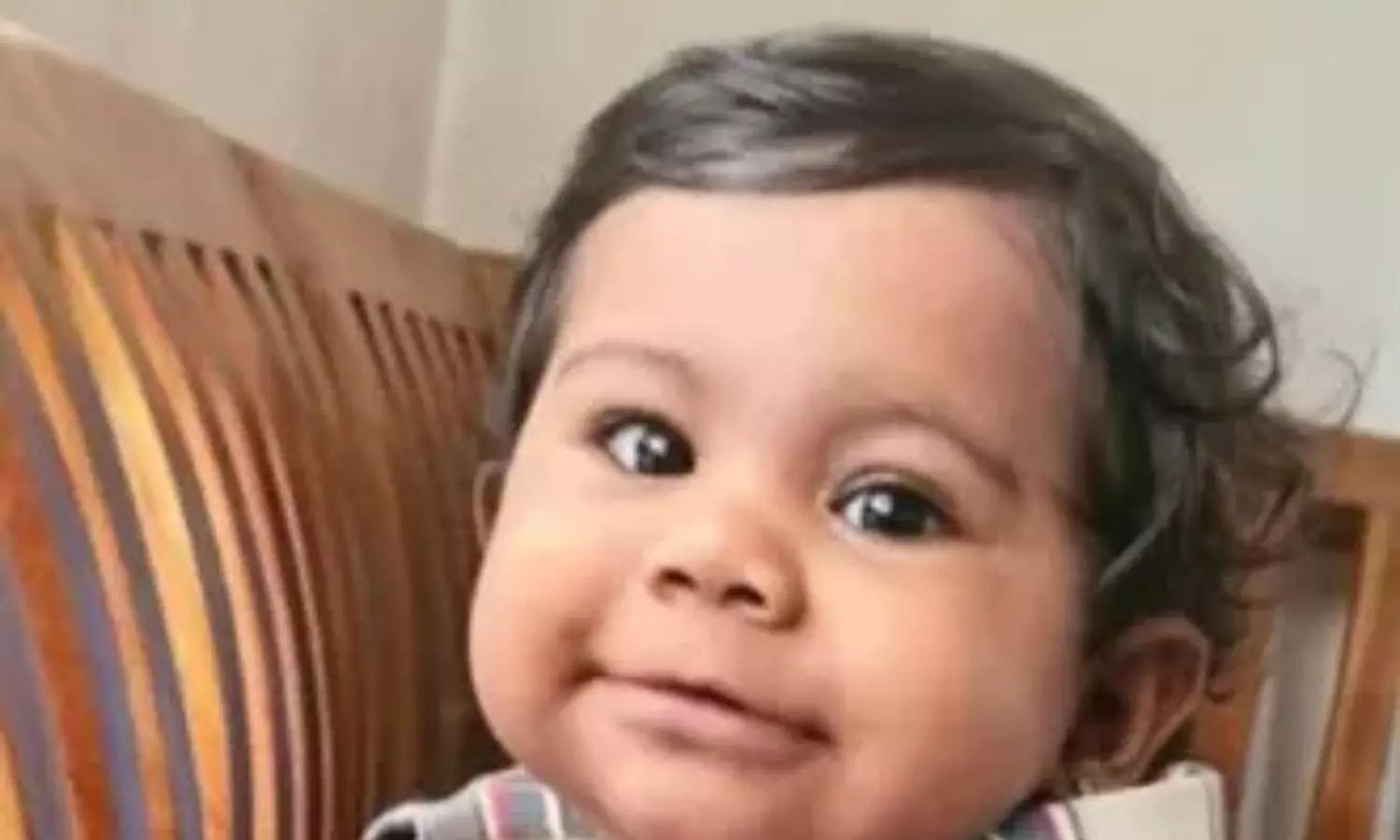
In a deeply moving story from Kerala, a 10-month-old baby girl, Alin Sherin Abraham, has become the youngest organ donor in the state. Declared brain-dead after a tragic accident, her parents made the heart-wrenching yet courageous decision to donate her organs. This act of generosity has saved the lives of five patients, including a 10-year-old child and a six-month-old infant. The case has not only touched hearts across India but also reignited discussions about the country’s organ donation laws and the need for greater awareness.
Also Read: Supreme Court: High Courts Must Address All Issues in Writ Petitions, Not Just One Point
The Story of Baby Alin
- Alin was injured in a road accident while traveling with her family in Pathanamthitta district.
- Doctors declared her brain-dead after confirming the severity of her injuries.
- Her parents, Arun Abraham and Sherin Ann John, consented to donate her organs despite their grief.
- Her liver, kidneys, heart valve, and corneas were allocated to different hospitals under strict medical supervision.
- Police escorts ensured the safe and timely transport of organs to recipients in Thiruvananthapuram and nearby areas.
This extraordinary decision transformed a personal tragedy into a beacon of hope for families awaiting transplants.
Organ Donation Laws in India
India’s organ donation framework is governed by the Transplantation of Human Organs and Tissues Act (THOTA), 1994, amended in 2011.
Key provisions include:
- Consent Requirement: Organs can only be donated with explicit consent from the donor (before death) or their family (after brain death).
- Definition of Brain Death: Recognized as a legal form of death, allowing organ retrieval from brain-dead patients.
- Authorization Committees: Ensure donations are voluntary and prevent commercial exploitation.
- Age Restrictions: Minors cannot donate organs while alive, but posthumous donations are permitted with parental consent.
- Penalties for Violations: Strict punishment for illegal organ trade and commercial dealings.
The law aims to balance ethical concerns with the urgent need for organs, but challenges remain in implementation and awareness.
Why This Case Matters
- Awareness: Baby Alin’s story highlights the importance of organ donation, and the impact one donor can have.
- Legal Clarity: It underscores the role of parental consent in cases involving minors.
- Medical Infrastructure: The case demonstrates Kerala’s efficient organ transport system, supported by police and health authorities.
- Social Impact: It may inspire more families to consider organ donation in similar circumstances.
Expert Opinions
Medical and legal experts have weighed in:
- Doctors praised the parents’ decision as lifesaving and urged more awareness campaigns.
- Legal scholars noted that while THOTA provides a framework, India needs stronger enforcement and public education.
- Ethicists emphasized the importance of transparency and family counselling in organ donation cases.
Broader Context
India faces a severe shortage of organs:
- Nearly 500,000 people die annually due to lack of organ availability.
- The country has one of the lowest organ donation rates globally, at about 0.5 donors per million population.
- Awareness campaigns and stories like Alin’s are crucial to bridging this gap.
Also Read: Is Lending Cash to Relatives Illegal? Understanding Section 269SS of the Income Tax Act
[Recommended Legal Resource]
For readers interested in understanding the complexities of Indian law, including succession, probate, and Supreme Court precedents, the book Will Writing Simplified [Law, Procedure and Drafting of Wills, Codicils, Revocation, Probate, Letters of Administration and Succession Certificates with Supreme Court Case Law] is highly recommended. It provides practical guidance on drafting and interpreting legal documents.
Conclusion
The story of Kerala’s youngest organ donor is a reminder of the power of compassion in the face of tragedy. Baby Alin’s parents turned their grief into a gift of life for others, setting an example for the nation. As India continues to grapple with organ shortages, this case highlights the urgent need for stronger awareness, better infrastructure, and a deeper understanding of organ donation laws
Also Read: Supreme Court Allows Patent Mapping in Cancer Drug Dispute Between Bristol Myers Squibb and Zydus
Suggested Keywords for SEO & Faster Searches
- Kerala youngest organ donor 2026
- 10-month-old baby organ donation India
- Organ donation laws in India THOTA
- Brain death and organ donation India
- Supreme Court case law organ donation India
- Kerala organ transport police escort
- Organ donation awareness India 2026
- Parents consent organ donation minors India
- India organ shortage statistics
- Will Writing Simplified book legal resource
Also Read: McDonald’s India Outlet Warned Over Rotten Tomatoes and Reused Oil: Food Safety Laws in Focus