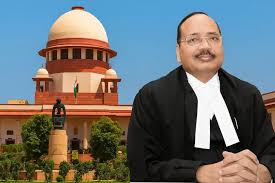
CJI Surya Kant Vows Registry Reforms After Shocking Plea Resurfacing
Supreme Court’s administrative wing under scrutiny
Recurring listing errors raise questions on transparency and accountability
By Legal Reporter
New Delhi: February 27, 2026:
In a rare and strongly worded rebuke, Chief Justice of India (CJI) Surya Kant has vowed sweeping reforms in the Supreme Court’s registry after a dismissed plea unexpectedly resurfaced before another bench. The incident has triggered widespread debate in legal circles about the functioning of the registry, its accountability, and the urgent need for systemic overhaul.
The registry, often described as the “nerve centre” of the Supreme Court, is responsible for processing, listing, and managing thousands of petitions every year. Yet recurring lapses—such as re-listing dismissed matters, delays in cause lists, and inconsistent scrutiny of petitions—have raised serious concerns about transparency and efficiency.
The Shocking Incident
The controversy began when a petition, previously dismissed by a three-judge bench, was found to have been re-listed before another bench. CJI Surya Kant expressed shock at the development, stating that such lapses undermine the credibility of the institution. He warned that if reforms were not implemented before his tenure ended, it would amount to a failure of his duty.
Legal observers noted that this was not an isolated case. Similar complaints have surfaced in the past, where dismissed or defective petitions managed to reappear in the cause list, raising suspicions of administrative irregularities or even manipulation.
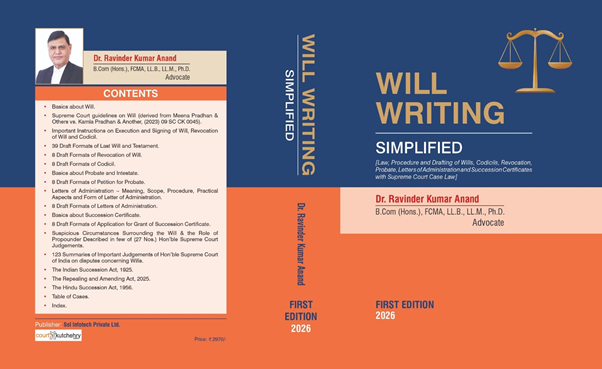
📌 Legal Note: For readers interested in practical legal guidance on drafting wills, codicils, and probate procedures, “Will Writing Simplified” is an invaluable resource available on AVAILABLE HERE: Amazon 🔹 Flipkart.
Also Read: Bombay High Court Orders ₹50 Lakh Compensation to Widow of MSRTC Employee Who Died of COVID-19
How the Supreme Court Registry Functions
The Supreme Court registry is the administrative backbone of the court. Its primary responsibilities include:
- Filing and scrutiny of petitions: Every petition filed is checked for completeness, defects, and compliance with procedural rules.
- Assigning diary and case numbers: Once cleared, petitions are given official numbers for tracking.
- Listing of cases: The registry prepares daily cause lists, determining which matters will be heard and before which bench.
- Communication with advocates: Registry officials notify lawyers about defects, listing dates, and procedural requirements.
In theory, the registry operates under the directions of the Chief Justice, who is the “master of the roster.” However, in practice, registry officials wield significant influence over how cases are processed and listed.
Why Recurring Issues Arise
Several factors contribute to recurring problems in the registry’s functioning:
- Human discretion and lack of accountability: Officials sometimes act “as per their whims,” as the CJI himself noted, believing they outlast judges and can operate unchecked.
- Volume of cases: With thousands of petitions filed annually, errors in scrutiny and listing are inevitable without robust digital systems.
- Opaque processes: Advocates often complain that the registry does not provide clear reasons for defects or delays, leading to frustration.
- Inadequate reforms: Despite past attempts at digitization and stricter cause list rules, loopholes remain that allow dismissed matters to resurface.
- Pressure from litigants and lawyers: Registry officials face constant lobbying to expedite or re-list cases, which can distort fairness.
Also Read: Supreme Court Clarifies: Doctrine of Merger Does Not Extinguish High Courts’ Contempt Powers
Voices from the Bar
The Supreme Court Advocates-on-Record Association (SCAORA) has repeatedly flagged registry-related issues. In a 2024 letter, over 130 advocates highlighted difficulties in filing and listing, urging greater transparency. Many lawyers argue that registry officials exercise disproportionate power, sometimes even more than judges, in deciding the fate of petitions.
The Larger Implications
The credibility of the Supreme Court depends not only on judicial pronouncements but also on the integrity of its administrative machinery. When dismissed pleas resurface or cause lists are manipulated, it undermines public trust in the institution.
Legal experts warn that unless reforms are urgently implemented, registry lapses could erode confidence in the judiciary, especially at a time when courts are expected to uphold constitutional values and protect citizens’ rights.
Proposed Reforms
CJI Surya Kant has promised a “deep probe” and reforms before his tenure ends. Possible measures include:
- Digitization of filing and listing: Expanding e-filing and automated cause list generation to reduce human discretion.
- Stricter accountability: Fixing responsibility on registry officials for lapses, with disciplinary action where necessary.
- Transparency in defect reporting: Clear communication to advocates about why petitions are rejected or delayed.
- Audit mechanisms: Independent audits of registry functioning to detect irregularities.
- Training and rotation of staff: Ensuring officials are regularly trained and rotated to prevent entrenched practices.
Conclusion
The Supreme Court registry controversy has exposed deep flaws in the administrative machinery of India’s highest court. CJI Surya Kant’s strong words signal a turning point, but whether reforms will be implemented effectively remains to be seen.
For the judiciary to retain its moral authority, the registry must function with transparency, accountability, and efficiency. Only then can the Supreme Court truly serve as the guardian of justice.
Also Read: CJI Surya Kant Warns Against Sweeping Judicial Orders Without Ground-Level Impact Assessment
GEO Keywords
- Supreme Court registry reforms India
- CJI Surya Kant registry controversy
- Supreme Court dismissed plea resurfacing
- Registry functioning Supreme Court India
- Cause list irregularities SC registry
- Supreme Court administrative reforms
- Bar and Bench registry news
- Supreme Court listing errors India
Also Read: India Scraps Forms 15G and 15H: New Unified Form 121 to Simplify Tax Declarations