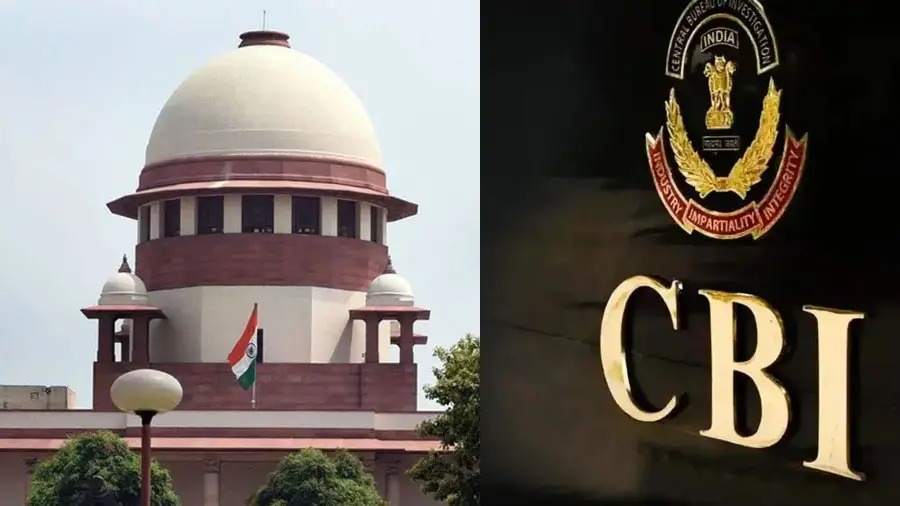
Supreme Court Orders CBI Probe into DLF’s Gurugram Primus Garden City Project After Homebuyers Raise Grievances
Bench finds “huge mismatch” between promises made and reality on the ground.
Investigation to examine alleged misrepresentations, regulatory lapses, and consumer rights violations.
By Legal Reporter
New Delhi: March 01, 2026:
In a major intervention in India’s real estate sector, the Supreme Court of India has directed the Central Bureau of Investigation (CBI) to probe allegations against DLF Home Developers Ltd. over its Primus Garden City project in Sector 82A, Gurugram. The Court observed that there appeared to be a “huge mismatch” between what was promised to homebuyers and what was delivered, raising serious concerns about consumer protection and regulatory oversight.
Also Read: CJI Surya Kant Vows Registry Reforms After Shocking Plea Resurfacing
Background of the Case
- The case originated from complaints by homebuyers who alleged that DLF failed to deliver promised amenities, infrastructure, and quality standards in the Primus Garden City project.
- Buyers claimed misrepresentation in brochures and agreements, including assurances about roads, parks, and facilities.
- A batch of appeals, led by Swarpreet Kaur & Anr. v. DLF Home Developers Ltd., reached the Supreme Court after lower forums failed to provide satisfactory redress.
[Resource Note]
If you want practical guidance on drafting wills, codicils, and probate procedures, Will Writing Simplified is an invaluable resource. AVAILABLE ON: Amazon 🔹 Flipkart
Also Read: Supreme Court Slams Tribunals as Liability, Calls Them Government’s Headache
Supreme Court’s Observations
- The Bench, comprising Justice Ahsanuddin Amanullah and Justice R. Mahadevan, noted that prima facie evidence suggested violations of law and consumer rights.
- The Court remarked: “It transpires that there is a huge mismatch between the requirement(s) of law and what actually may, or rather is alleged, to have happened on the ground.”
- It directed the CBI to conduct a thorough investigation into the project, including the role of regulatory authorities.
Legal Significance
- Consumer Protection: Reinforces the judiciary’s role in safeguarding homebuyers against unfair trade practices.
- Regulatory Accountability: Signals scrutiny not just of developers but also of state and municipal authorities responsible for approvals.
- Precedent: Sets a strong example for other real estate disputes, where promises made in glossy brochures often fail to materialize.
Impact of the Judgment
- For Homebuyers: Offers hope of justice and possible compensation for grievances.
- For Developers: Warns real estate companies against misrepresentation and negligence.
- For Regulators: Highlights the need for stricter monitoring of housing projects to prevent consumer exploitation.
Expert Opinions
- Legal Analysts: Applaud the ruling as a bold step to restore accountability in real estate.
- Consumer Rights Groups: Stress that the case reflects a broader pattern of homebuyer exploitation across India.
- Industry Experts: Note that while the probe may dent investor confidence in the short term, it will strengthen transparency in the long run.
Also Read: IRDAI Plans Sweeping Reforms to Cut Insurance Costs in India
Conclusion
The Supreme Court’s order for a CBI probe into DLF’s Primus Garden City project marks a watershed moment in India’s real estate regulation. By acknowledging the mismatch between promises and delivery, the Court has reinforced the principle that consumer rights cannot be compromised. The investigation is expected to shed light on alleged misrepresentations, regulatory lapses, and the broader need for reforms in India’s housing sector.
Keywords for Faster Searches
- Supreme Court CBI probe DLF Gurugram project
- Primus Garden City homebuyers’ grievances
- DLF Home Developers Supreme Court case
- Gurugram real estate consumer rights India
- Justice Ahsanuddin Amanullah R Mahadevan ruling
- Supreme Court real estate misrepresentation case
- CBI investigation DLF housing project
Also Read: DGCA Introduces 48-Hour Free Cancellation Rule, Tightens Airline Refund Deadlines