
ITAT Mumbai Grants Rs 83 Lakh Capital Gains Tax Relief, Flags Jurisdiction Error by Tax Officer
Tribunal rules in favour of taxpayer, citing Bombay High Court precedent
Case highlights importance of procedural accuracy in reassessment notices
By Legal Reporter
New Delhi: February 19, 2026:
In a significant ruling that strengthens taxpayer rights, the Income Tax Appellate Tribunal (ITAT) Mumbai has quashed a reassessment order and allowed a woman’s claim for Rs 83 lakh capital gains tax exemption. The tribunal found that the assessing officer had acted beyond jurisdiction by reopening the case without properly citing the grounds related to Section 54F of the Income Tax Act, which deals with capital gains exemption on investment in residential property. This judgment not only provides relief to the taxpayer but also sets a precedent for similar disputes where reassessment notices are issued without clear justification.
Suggested Resource
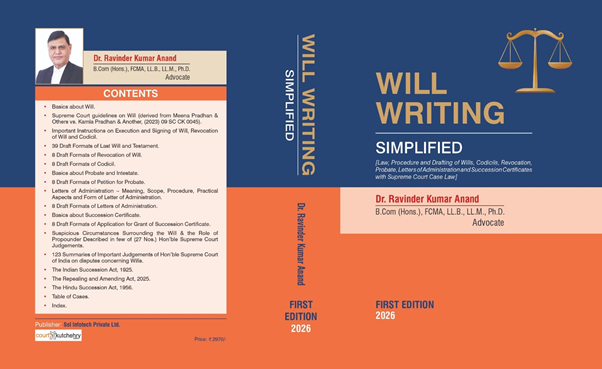
If you want practical guidance on drafting wills, codicils, and probate procedures, Will Writing Simplified is an invaluable resource. BUY HERE: Amazon 🔹 Flipkart
Background of the Case
Also Read: Credit Score as Social Currency: Why Financial Discipline Matters More Than Ever
- The taxpayer, identified as Smt. Shah, had sold shares and invested the proceeds into purchasing a residential property.
- She claimed exemption under Section 54F, which allows individuals to avoid capital gains tax if the gains are reinvested in a residential house.
- The Income Tax Department reopened her assessment under Section 147, alleging discrepancies. However, the reassessment notice did not specifically mention the Section 54F exemption claim as the reason for reopening.
Tribunal’s Findings
- The ITAT observed that the officer’s failure to specify the exemption issue in the reopening notice amounted to a jurisdictional error.
- Referring to a Bombay High Court precedent, the tribunal ruled that additions made on grounds not mentioned in the original notice are invalid.
- As a result, the tribunal quashed the disallowance and upheld the taxpayer’s exemption claim worth Rs 83 lakh.
Why This Matters
This ruling underscores two critical aspects of tax law:
- Procedural Accuracy – Tax officers must clearly state the reasons for reopening assessments. Any omission can render the reassessment invalid.
- Taxpayer Rights – Individuals can challenge reassessment orders if they are issued without proper jurisdiction or legal basis.
Also Read: Rajasthan High Court Surprise Inspection Finds 8 Judges Absent in Jodhpur District Court
The case highlights the importance of vigilance among taxpayers when dealing with reassessment notices, as procedural lapses by authorities can be successfully contested.
Broader Implications
- For Taxpayers: The judgment reinforces that exemptions under Section 54F are valid if reinvestment conditions are met.
- For Tax Authorities: Officers must exercise caution and adhere strictly to procedural requirements when reopening cases.
- For Legal Precedent: The ruling adds weight to earlier Bombay High Court decisions, strengthening the jurisprudence around reassessment jurisdiction.
Expert Views
Tax experts believe this case will encourage more taxpayers to challenge reassessment orders that lack clarity. Legal professionals point out that the ITAT’s reliance on High Court precedent ensures consistency in tax litigation outcomes.
Conclusion
The ITAT Mumbai’s decision in favour of the taxpayer is a landmark ruling that emphasizes the importance of procedural compliance in tax administration. By granting relief of Rs 83 lakh, the tribunal has reaffirmed the principle that reassessment cannot be arbitrary and must be backed by valid jurisdictional grounds.
Keywords for SEO & Faster Searches
Also Read: Madras High Court Declares Consideration for Promotion a Fundamental Right
- ITAT Mumbai capital gains case
- Rs 83 lakh tax exemption ruling
- Section 54F Income Tax Act
- Jurisdiction error in reassessment
- Bombay High Court tax precedent
- Capital gains exemption India
- Taxpayer rights ITAT ruling
- Income Tax reassessment procedure
Also Read: Supreme Court: All High Courts Are Equal, No Practice of Transferring Matters to One Court